

Player welfare and injury worries in extended international break
FIFA's three-week international break for the 2026-27 season aims to reduce travel, but has sparked a wave of player injuries.

Stock photo for illustration only, not from the actual event
- FIFA extended the 2026-27 international break to three weeks to reduce cross-continent travel.
- Several star players, including Erling Haaland and Alex Scott, picked up injuries.
- Thomas Tuchel and the Norwegian players union (NISO) raised concerns over heavy workloads.
- Fans expressed frustration over the lengthy interruption to the domestic league calendar.
The first international break of the 2026-27 season is drawing to a close, bringing a longer interruption than fans and clubs are accustomed to. For the first time, the Premier League and Championship paused for three weeks instead of the usual two, giving players a more extended period away from domestic duties.
This scheduling shift was introduced by FIFA primarily with player welfare in mind, alongside accommodating the latest World Cup final date on July 19 since 1966. Reducing the frequency of breaks from five to four was designed to minimize grueling cross-continental journeys for players traveling between Europe, Africa, and South America.
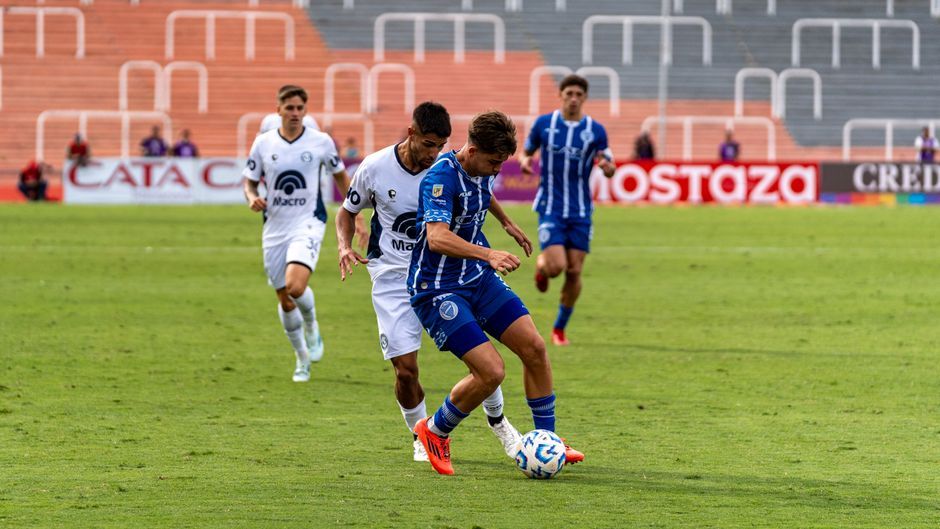
Stock photo for illustration only, not from the actual event
However, the experiment has immediately thrust the issue of player fitness into the spotlight as several key athletes return to their respective clubs carrying knocks and injuries.
Bournemouth midfielder Alex Scott withdrew from the England squad due to a thigh injury, while Manchester City striker Erling Haaland was substituted in the 67th minute and limped off during Norway's match against Portugal before returning to his club.
Over time, we have seen a worrying trend where the burden on top players has become far too high
Kristoffer Vatshaug
Kristoffer Vatshaug, head of the Norwegian players' union (NISO), voiced serious concerns over the escalating physical demands placed on elite athletes, calling for clearer guidelines regarding recovery time and match intervals.
Lengthening the international window to three weeks represents a major structural shift in football scheduling. While national team managers benefit from extended tactical sessions, club managers face immense pressure managing fatigue and injury risks as players transition between different training regimens.
Additional injuries hit other top clubs, with Liverpool's Cody Gakpo and Alexander Isak sidelined alongside Real Madrid forward Kylian Mbappe and Barcelona winger Raphinha. England manager Thomas Tuchel acknowledged that the extended window is challenging while noting the benefits of having more uninterrupted time on the training pitch with his squad.
Source: BBC Sport
Found something wrong in this article? Report an issue with this article
Comments
Leave a Comment