

Carlos Sainz says F1 must rethink engine rules after software bug
Carlos Sainz criticizes complex F1 engine rules after a wet-weather software bug stalled cars on formation laps and delayed the race start by 90 minutes.
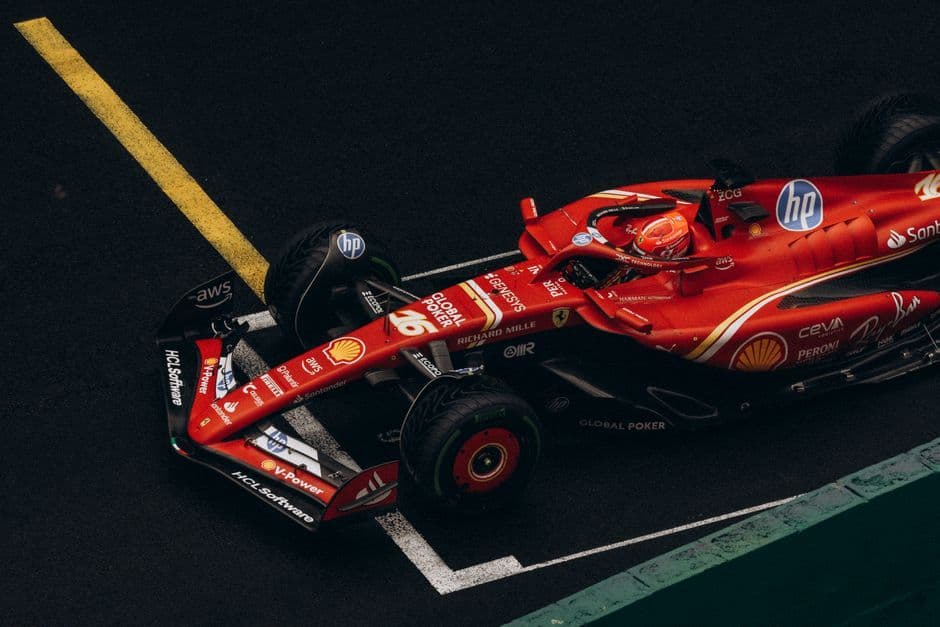
Stock photo for illustration only, not from the actual event
- A wet-weather engine software bug caused cars to stall on formation laps, delaying the race start by 1.5 hours.
- Carlos Sainz stated that current regulations are overly complicated for drivers, teams, and manufacturers.
- The 50-50 hybrid engines suffer from energy starvation, diminishing the impact of driver skill.
- The FIA is reviewing the situation as discussions begin for a simplified engine formula with less electrical power.
Formula 1 is facing intense scrutiny following a software glitch in a wet-weather engine map that left multiple cars struggling to move during formation laps prior to the race start. The incident forced officials to abandon the initial start, issue a fresh software code, and ultimately delay the race by an hour and a half behind schedule.
The mishap prompted sharp criticism from within the paddock. Carlos Sainz, a director of the Grand Prix Drivers' Association, didn't hold back in addressing the deep-seated structural issues facing the sport under the current rulebook.
"It is clear the regulations are extremely complicated for the drivers, for the teams, for the power units and for the manufacturers. Who decided five years ago that this was the direction to go?"
Carlos Sainz
Sainz noted that while the FIA and F1 management are doing their best with the given framework, the strategic decisions made four or five years ago were fundamentally flawed, and the sport must learn from these errors. In response, governing body the FIA has launched a full review of the situation, noting that a lack of wet-weather running earlier in the year meant the specific trigger conditions for the software bug had never been encountered before.
Context and Analysis: The core issue extends beyond a simple software patch, stemming instead from the 50-50 split between internal combustion and electrical power introduced to attract major manufacturers like Audi, Ford, and Honda. Because these power units are heavily energy-starved, batteries deplete and recharge multiple times per lap, forcing cars to decelerate at the end of straights and neutering challenging corners into makeshift charging stations as two-time champion Fernando Alonso pointed out.
Current restrictions mandate that total electrical power drops from 350kW (470bhp) to 250kW (335bhp) in wet conditions, creating counter-intuitive car behavior that limits driver influence. F1 bosses and engine suppliers are already working on a future engine formula likely featuring a V8 turbo with 15-25% electrical power utilized mainly as a push-to-pass system, aiming to eliminate energy starvation altogether.
Source: BBC Sport
Found something wrong in this article? Report an issue with this article
Comments
Leave a Comment