

Parents are setting up pension funds for toddlers and babies
Richard and Caitlin Brain contribute £100 a month into pensions for their 20-month and five-month-old children for long-term security.
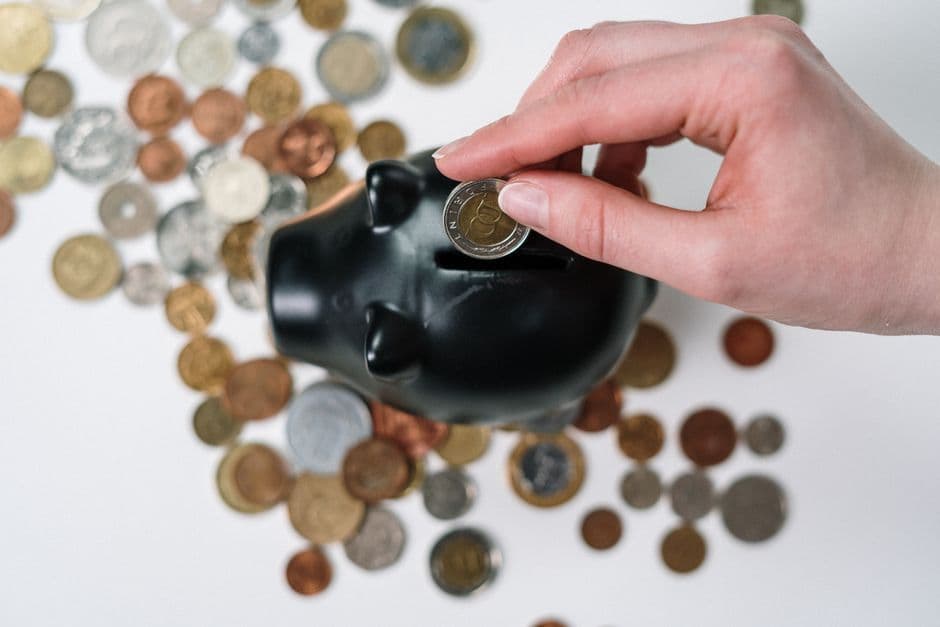
Stock photo for illustration only, not from the actual event
- Young parents are opening pension accounts for infants just months old
- The Brain family contributes a combined £220 a month into children's funds
- UK Junior SIPPs provider data shows a sharp surge in new accounts
- The US has also introduced Trump Accounts for children's retirement savings
Richard and Caitlin Brain from the UK have taken early steps to secure their children's financial future by setting up pension accounts for their toddlers aged 20 months and five months old. This means the eldest will wait until 2082 and the youngest until 2083 to access the funds. Richard, 30, works for an investment firm and believes strongly in the strategy, while Caitlin, 28, is on maternity leave from her local council job, currently earning no income after her statutory maternity pay of £194 a week ended.
Alongside the pensions, the couple established Junior ISA savings accounts, depositing £60 a month per child, which the children can access when they turn 18. They view this dual approach as ideal: ISAs can assist with university fees, business startups, or house deposits, while pensions are designated for much later financial security in life.
Contributing a total of £220 a month to their kids' accounts, alongside £200 into their own private pensions and savings, requires the couple to live more frugally than before. Children's pensions, known as Junior self-invested personal pensions (SIPPs), were launched in the UK in 2001, allowing maximum annual deposits of £2,880 boosted by a £720 government tax relief top-up to total £3,600.

Stock photo for illustration only, not from the actual event
Industry figures indicate rising popularity for Junior SIPPs. Provider Hargreaves Lansdown recorded two and a half times as many account openings in the 12 months leading to April 2026 compared to the previous year, while Fidelity reported figures more than tripling since December 2023. Although children face waiting up to 50 years to touch the money, 15-year-old Hugo Thompson from Manchester, whose finance-working parents maximized his Junior SIPP for a decade, remains unbothered about waiting until age 57.
"Paying into their pensions means we can play a part in their future far beyond our own years. And the money has decades to grow."
Richard Brain
The trend of parents funding pensions for infants highlights growing anxiety over long-term financial stability in uncertain economic climates. Leveraging compound interest across more than five decades allows modest contributions to multiply significantly. However, this approach demands strict financial discipline, as families must restrict current spending to build future wealth for the next generation.
Long-term investments for children are expanding globally. In July, US President Donald Trump introduced Trump Accounts, a child retirement investment scheme allowing families, friends, and employers to contribute up to $5,000 or £3,800 annually per child. Unlike the UK system, children can withdraw funds starting at 18, though subject to taxes and a 10% penalty prior to age 59 and a half. Wally Luckeydoo, a personal finance teacher in Tennessee, opened Trump Accounts for his children aged four and three to provide an early financial advantage.
Source: BBC Business
Found something wrong in this article? Report an issue with this article
Comments
Leave a Comment