

Supachai addresses flood-driven vegetable price hikes
Supachai Suthumpun acknowledges that recent flooding has driven up vegetable prices, while coordinating better logistics and halting egg exports for 2-3 weeks.
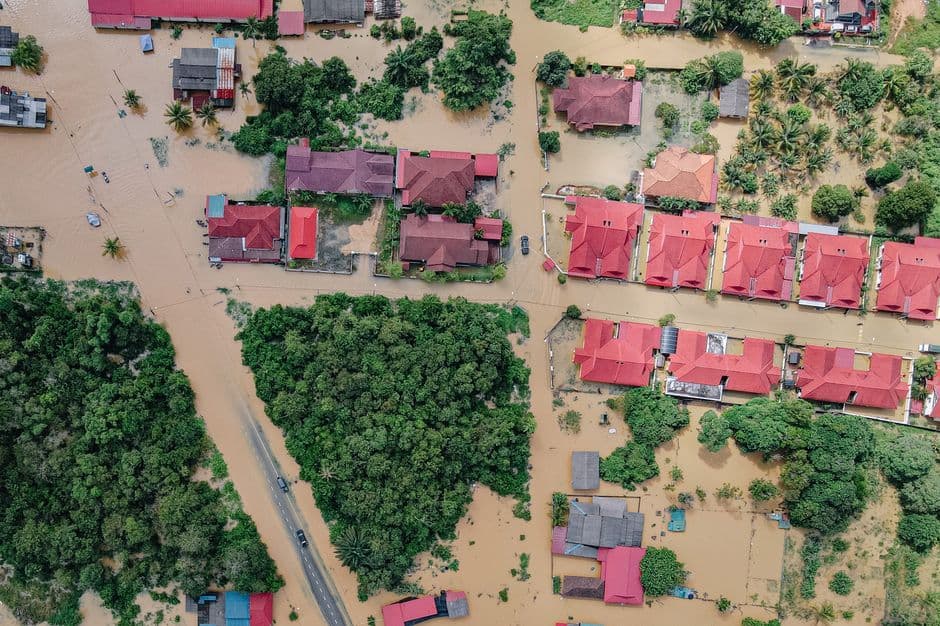
Stock photo for illustration only, not from the actual event
- Supachai Suthumpun admits that flooding has pushed up local vegetable prices.
- Authorities are urgently coordinating logistics to ensure smooth food distribution.
- Egg exports are being suspended for 2-3 weeks to stabilize the domestic market.
Severe flooding across multiple regions in Thailand has begun to noticeably impact everyday living costs, particularly driving up fresh vegetable prices as agricultural zones and transportation routes suffer heavy damage from rising waters.
Recently, Supachai Suthumpun openly addressed the issue, confirming that the flood crisis is a major factor behind the spike in vegetable prices due to reduced crop yields and disrupted harvesting schedules in affected provinces.
Flood crises in Thailand routinely trigger immediate bottlenecks in the fresh food supply chain, particularly when central and northern agricultural hubs are inundated. Interventions focusing on alternative logistics routes and domestic supply safeguarding are critical short-term measures to protect consumers from extreme price gouging during natural disasters.

Stock photo for illustration only, not from the actual event
To alleviate consumer burdens and prevent the crisis from compounding, officials have stepped up coordination with transportation networks to reroute shipments and ensure essential goods reach markets efficiently without severe supply bottlenecks.
Additionally, a specific intervention has been introduced to safeguard local food stability by halting egg exports for a duration of 2 to 3 weeks, ensuring that domestic egg supplies remain adequate and local price inflation is kept in check.
Source: Matichon Politics
Found something wrong in this article? Report an issue with this article
Comments
Leave a Comment