

Subconscious Spaces: Tracking the Invisible Energy in Architecture
Leading architects discuss how to design for the subconscious mind and create emotionally resonant spaces on the Room For Dreams podcast.
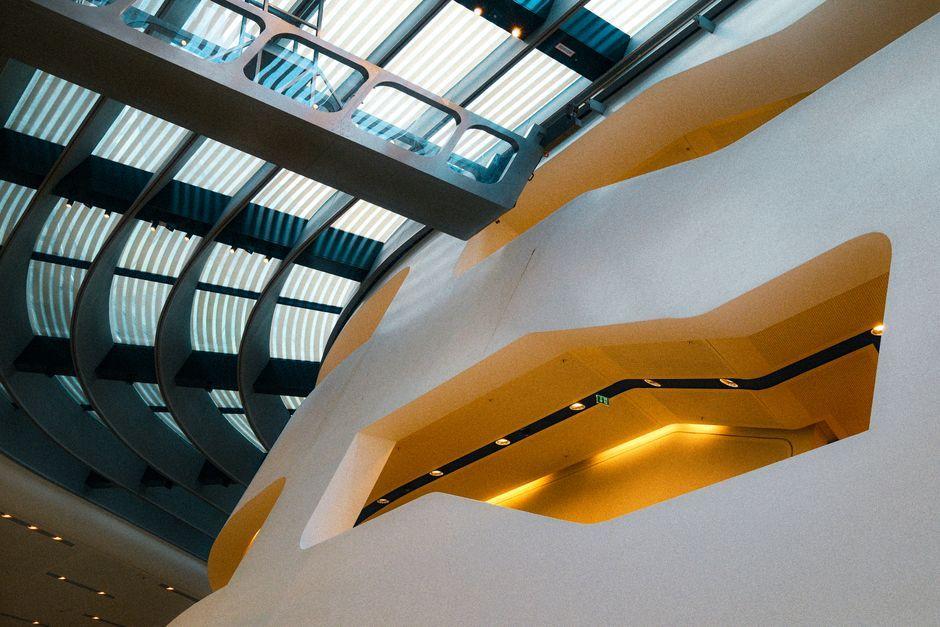
Stock photo for illustration only, not from the actual event
- Four prominent architects decode environment design driven by the subconscious mind.
- Techniques include sequences of compression and release to spark a sense of discovery.
- Methodology relies on deep listening, dynamic shapes, and natural light.
- Reflects the unique role of Indian designers acting as lifelong family advisors.
In contemporary architecture, crafting physical structures goes far beyond mere visual aesthetics, reaching deep into the realm of psychology. In a recent episode of the Room For Dreams podcast hosted by Claire Brodka, four prominent designers—Piyush Mehra of PS Design, Devika Khosla of The Works Interiors, Love Choudhary of AND Studio, and Amit Porwal of IPIPL—gathered for episode 11 titled Subconscious Spaces to explore the invisible energy that breathes soul into architecture.
The panel broke down the specific techniques they utilize to trigger psychological shifts in users. Among the highlighted strategies is the implementation of spatial sequences involving compression and release to deliberately evoke a sense of discovery. Furthermore, the designers incorporate dynamic shapes and abundant natural light to break away from standard, lifeless rectangular boxes.
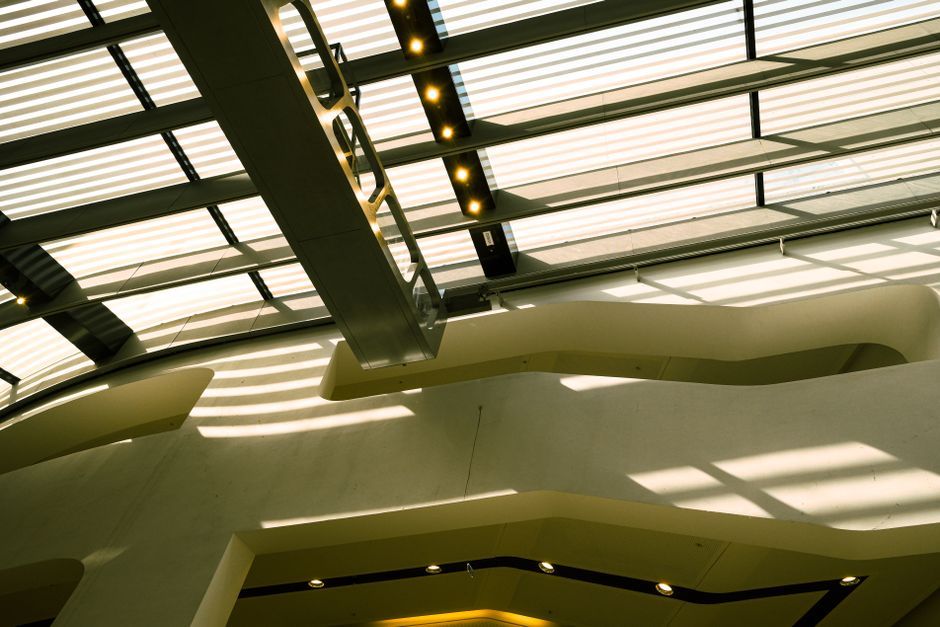
Stock photo for illustration only, not from the actual event
The core of the conversation revolves around the philosophical stance that every environment possesses an underlying aura. This subtle energy registers within human consciousness long before the mind has time to process physical details. To effectively tap into this phenomenon, the panelists advocate for an intuitive methodology deeply rooted in attentive listening and spontaneous creation.
The concept of designing for the subconscious—often intersecting with neuroarchitecture—gains strong momentum globally as scientific research proves that spatial elements like ceiling height, daylight, and curved lines directly influence human stress hormones and cognitive function. Applying this philosophy transforms static buildings into living, psychologically supportive environments.
This empathetic design approach mirrors the distinctive role practitioners hold in the Indian landscape, where designers frequently serve as lifelong, cross-generational advisors. By revisiting past projects to observe how built environments mature over time, the panel demonstrated that the ultimate purpose of design is never to erect static monuments. Instead, it is about sculpting spaces that deliver emotional resonance, ensuring that users feel fully included, immersed, and comfortable.
Source: designboom
Found something wrong in this article? Report an issue with this article
Comments
Leave a Comment