

Subnetting & CIDR: The 60-Second Calculation Method
Master IPv4 subnetting for CompTIA Network+ and CCNA exams in under 60 seconds without memorizing massive binary conversion tables.

Stock photo for illustration only, not from the actual event
- Stop memorizing 30-row binary conversion charts for network exams
- Use the Magic Number Method to solve subnetting questions in 60 seconds
- Calculate easily by subtracting the interesting octet from 256
- Always subtract 2 IP addresses for Network ID and Broadcast address
Subnetting is notorious among candidates preparing for CompTIA Network+ (N10-008 / N10-009), CCNA, and cloud certification exams. Many engineers attempt to memorize 30-row conversion charts—only to freeze on test day when asked to calculate the usable host range for 192.168.10.45/28.
You do not need to memorize massive tables or convert binary zeroes and ones in your head. All you need is one reliable rule: The Magic Number Method to solve any IPv4 subnetting question on Network+ in under 60 seconds.
Understanding subnetting and CIDR notation is a foundational competency not only for passing professional networking certifications but also for designing efficient enterprise networks and troubleshooting routing problems in real-world environments.
An IPv4 address has 32 bits, divided into 4 octets of 8 bits each. Whenever you encounter an IP and CIDR prefix like 192.168.1.100/27, apply the core calculation steps:
- Subtract the interesting octet of the subnet mask from 256
- Count by the resulting values until you find the block containing your host IP (100)
- Crucial Rule: You must always subtract 2 from the total IP addresses
Consider an engineer designing a point-to-point router link between two branch offices. Which subnet mask minimizes wasted IPv4 addresses while accommodating both router interfaces?
"Correct Answer: C ( /30 ) Explanation: A /30 subnet provides 4 total IP addresses (2^2 = 4). Subtracting the Network ID and Broadcast address leaves exactly 2 usable host addresses—the exact requirement for a dual-ended point-to-point link."
Dev.to Article
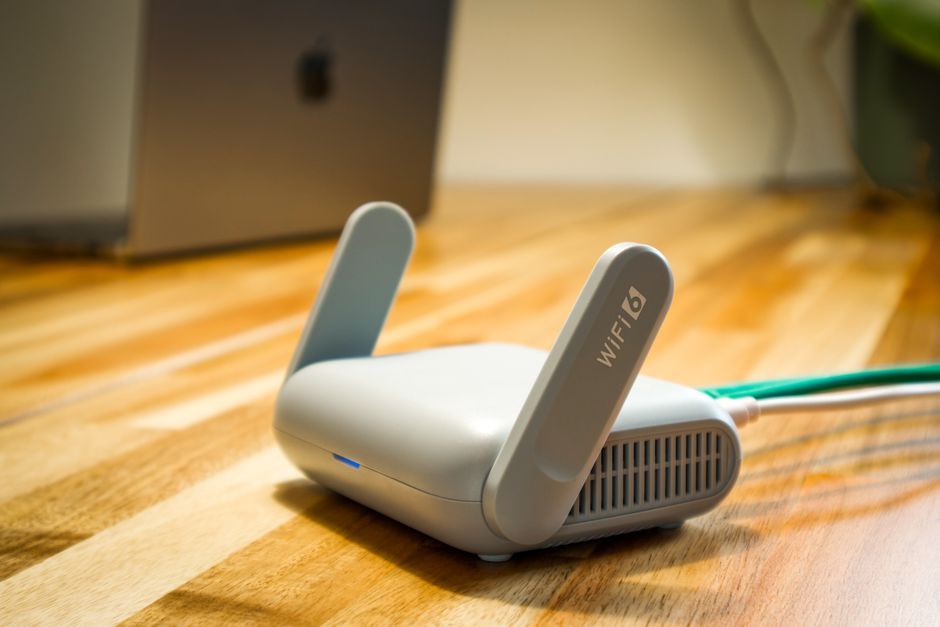
Stock photo for illustration only, not from the actual event
Ready to master OSI layers, routing protocols, and 802.11 standards before exam day? Take a full timed simulator on QuizCram's free CompTIA Network+ practice test.
Source: Dev.to
Found something wrong in this article? Report an issue with this article
Comments
Leave a Comment