

Cesar Tangram Kitchen Expands with Organic Curves
Cesar expands its Tangram kitchen collection designed by García Cumini in 2026, featuring fluid geometries, multi-layer wood, and marble.

Stock photo for illustration only, not from the actual event
- Cesar evolves its Tangram kitchen collection into a cohesive interior concept.
- Designed by García Cumini, replacing sharp angles with variable curves.
- Utilizes advanced multi-layer wood bonding and Breccia Sarda natural stone.
Cesar has elevated contemporary kitchen design by expanding its signature Tangram collection into a comprehensive interior system created by the studio García Cumini. Moving beyond its initial island design introduced in 2022, the system now integrates fluid, rounded geometries across tall storage units, wall cabinets, and suspended base units. By replacing conventional sharp angles with variable-radius curves, the design allows light to diffuse naturally throughout the residential space.
Grounded in spatial fluidity, Tangram transforms traditional cabinetry into an adaptable framework where product design and architecture build a continuous narrative. The curved surfaces soften visual contrasts and create gentle transitions that add depth to the furniture volumes. This evolution extends the design principles to vertical elements, reinforcing the architectural dialogue between solid structures and open voids within the home.
"In Tangram, light does not stop at the edges, it follows them. Curved surfaces soften contrasts and create gentle transitions, lending depth to the volumes."
García Cumini, Art Director Cesar
Beneath the soft silhouette lies an advanced engineering process utilizing multi-layer wood bonding calibrated for long-term stability and durability. The collection highlights its material narrative through rich tactile contrasts. A tall wall composition features Groove doors in Rovere Cortado with irregular vertical millings that conceal panel seams, while the central island in Anodyc Bronze is topped with Breccia Sarda marble extending into a snack counter.
Integrating organic curves into kitchen architecture requires precise engineering, especially when working with rigid materials like wood and natural stone. Cesar's use of advanced wood-bonding techniques allows for durable, curved cabinetry components that maintain structural integrity while achieving a fluid, modern aesthetic reminiscent of contemporary sculpture.
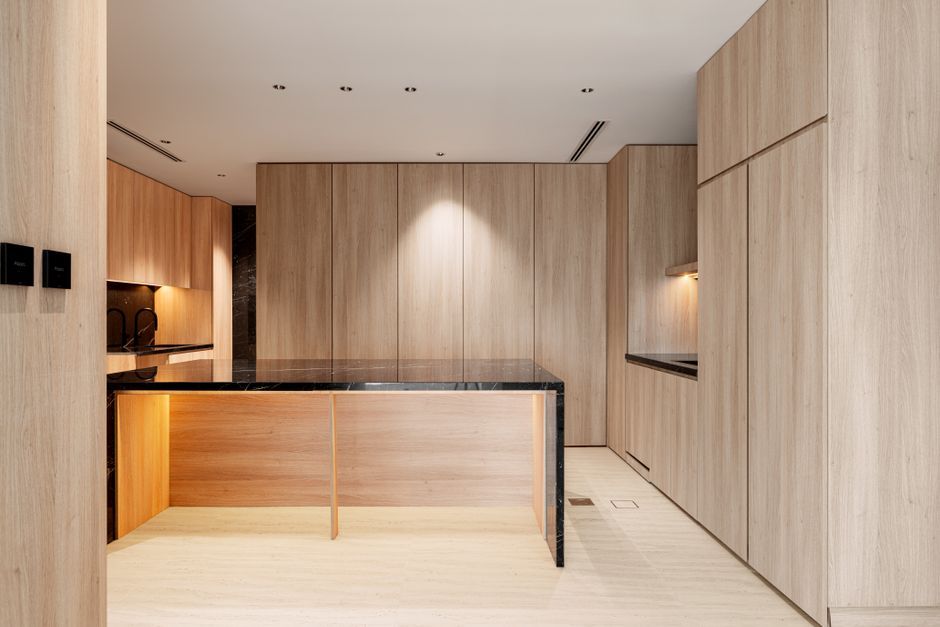
Stock photo for illustration only, not from the actual event
Gina Cester, CEO of Cesar, notes that the expansion stems from an ongoing dialogue with designers and architects to identify real domestic needs over time without compromising brand identity. From its origins near Venice in 1969 to these latest 2026 modules, Cesar continues to interpret the kitchen as the dynamic center of contemporary living through thoughtful engineering and formal fluidity.
Source: designboom
Found something wrong in this article? Report an issue with this article
Comments
Leave a Comment