

Furientis Lands $25M from Benchmark for Low-Cost Missiles
Defense startup Furientis has secured a $25 million seed round led by Benchmark to mass-produce affordable missile interceptors for the U.S. military.

Stock photo for illustration only, not from the actual event
- Benchmark leads a $25 million seed round in one-year-old defense startup Furientis
- The company aims to solve U.S. missile shortages by mass-producing low-cost interceptors
- The U.S. receives 300-500 interceptors annually, lagging far behind China's monthly output of 3,000
- Co-founders bring aerospace engineering experience from Virgin Galactic and Virgin Orbit
Until recently, venture capital firms largely avoided defense startups due to moral controversies and lengthy, uncertain government procurement processes. However, that sentiment shifted dramatically after conflicts in Ukraine and Iran depleted the U.S. military's missile inventories, opening the door for agile startups capable of building equipment quickly and affordably.
Four years after the defense tech boom sparked by Russia's invasion of Ukraine, Silicon Valley venture firm Benchmark is making its first-ever investment in a pure-play defense startup by leading a $25 million seed round into Furientis.
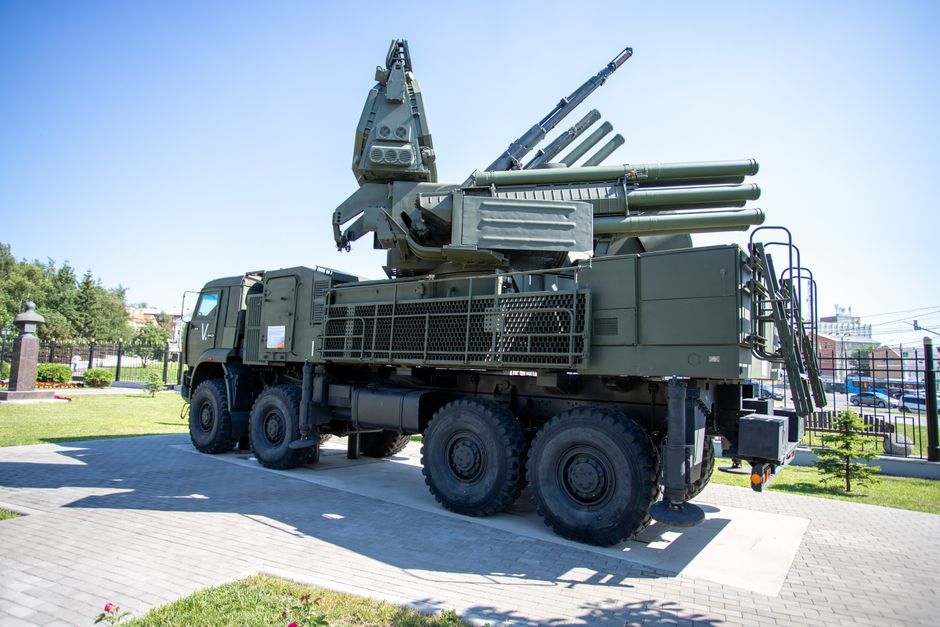
Stock photo for illustration only, not from the actual event
Founded just a year ago, Furientis has already secured a funded Pentagon contract to build mid-range interceptors and boasts a valuation of $125 million, according to sources familiar with the matter. The startup's name translates to "of fury" in Latin, following a previous $5 million pre-seed round announced in May.
Chetan Puttagunta, general partner at Benchmark, noted to TechCrunch that the team manufactured functional prototypes and executed successful launches using only their initial pre-seed funding, calling their accomplishment remarkable.
The startup's high velocity is driven by co-founders Brody Franzen—former deputy chief engineer at Virgin Galactic and veteran of hypersonic startup Castelion—and Aris Simsarian, who previously led rocket engine testing at Virgin Orbit. The duo launched the company after recognizing severe U.S. shortages of expensive exquisite missiles that cost roughly $3 million each.
“We’re being outproduced by a factor of 100 plus. That is why we started the company.”
Brody Franzen
According to Franzen, the U.S. Navy procures merely 300 to 500 interceptor missiles annually, whereas China reportedly produces 3,000 anti-ship cruise missiles every month. Rather than matching traditional performance highs, Furientis designs systems assembled rapidly from readily available components to drastically cut unit costs.
Benchmark's entry into the defense sector underscores a broader transformation in how venture capital views national security technologies. By leveraging commercial aerospace talent to streamline defense manufacturing, startups like Furientis are challenging traditional defense primes to modernize their slow development cycles.
Operating out of Los Angeles with trial launches conducted in White Sands, New Mexico, Furientis ultimately targets an output of 1,000 systems per year per factory. Other defense players like Anduril, Castelion, and Shield AI are also racing to replenish government stockpiles amidst increasing geopolitical pressures.
Source: TechCrunch
Found something wrong in this article? Report an issue with this article
Comments
Leave a Comment