

9 Things You Should Remove From Your Bedroom For Better Sleep
Discover the 9 items and environmental factors that might be ruining your sleep quality and how clearing them out can help you wake up refreshed.
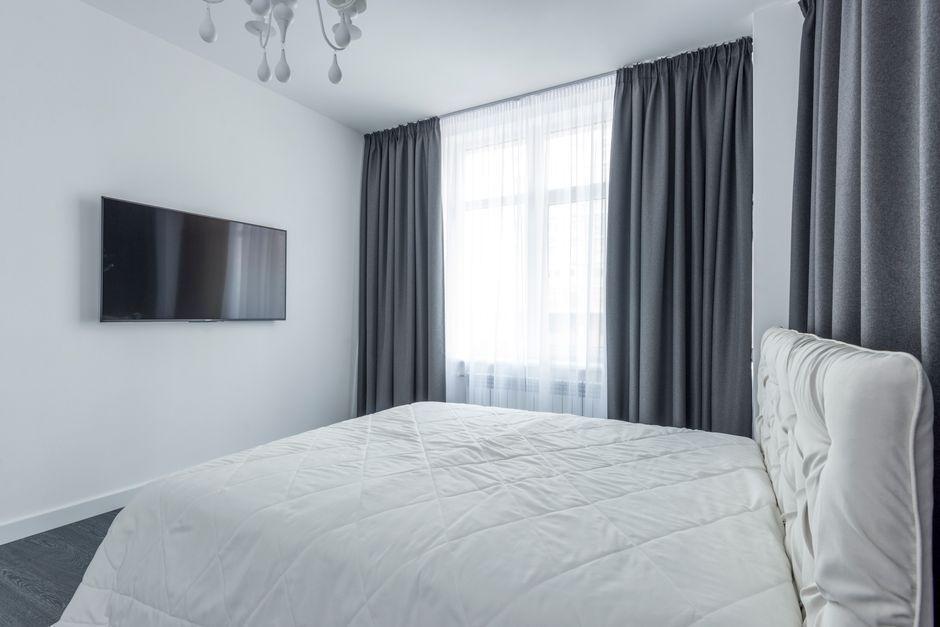
Stock photo for illustration only, not from the actual event
- Phones and TVs emit blue light that blocks melatonin production
- Work desks in the bedroom trigger stress and ruin relaxation
- Expired bedding causes back pain and disrupts deep sleep
Insomnia and poor sleep quality have become increasingly common health issues in modern life. Data from public health agencies indicates that lack of proper sleep directly impacts the immune system and daily work performance, yet many people overlook how their immediate bedroom environment contributes to the problem.
To create a true sanctuary for rest, clearing out disruptive elements is essential. Here are 9 things that should be removed from your bedroom if you want to wake up feeling refreshed every morning.
- Mobile phones, tablets, and TVs: Sources of blue light that inhibit melatonin release, keeping the brain alert and delaying sleep.
- Work desks and paper piles: Cause the brain to associate a relaxing space with stress and responsibilities.
- Exercise equipment: Treadmills and dumbbells often end up as clothes racks and can induce guilt about missed workouts.
- Excessive indoor plants: Most plants release carbon dioxide at night, though exceptions like snake plants are acceptable.
- Piles of laundry: Accumulated clothes trap dust, odors, and moisture that irritate the respiratory system.
- Large bookshelves: Stacks of books serve as major dust mite reservoirs and should be kept in a study instead.
- Food and snacks: Eating in bed attracts pests like ants and cockroaches while leaving lingering odors.
- Bright white lightbulbs: Harsh lighting disrupts the body clock; warm white lighting is recommended instead.
- Expired bedding: Sagging pillows and misshapen mattresses are primary causes of back and neck pain.

Stock photo for illustration only, not from the actual event
Managing bedroom environmental factors aligns with standard sleep hygiene practices frequently recommended for chronic insomnia. Separating work zones from sleeping areas helps the brain establish stimulus control, reinforcing the psychological association that the bed is exclusively for rest.
Optimizing your bedroom layout and eliminating these hidden distractions not only clears visual and physical clutter but also restores mental peace for a truly restorative night's rest.
Source: Thairath Lifestyle
Found something wrong in this article? Report an issue with this article
Comments
Leave a Comment