

Froyo's made a comeback. But at £12 a tub will it last?
Frozen yoghurt returns to the UK market in 2026 driven by social media and nostalgia, but high prices raise sustainability questions.

Stock photo for illustration only, not from the actual event
- Frozen yoghurt or froyo has staged a major comeback across the UK in 2026 after peaking in the late 2000s and early 2010s.
- New stores from brands like Yo-Chi, Go Greek, Myka, and Frurt have opened in London and other major English cities.
- Customers are willing to queue for up to 45 minutes and pay as much as £12 per tub for customisable desserts.
Frozen yoghurt has officially staged a notable comeback across the United Kingdom, drawing crowds willing to endure lengthy waits for a sweet treat. Kiersten Paterno, a 19-year-old student, spent 45 minutes queuing for her turn, noting that the appeal lies heavily in choosing flavours and personalising the dessert with various toppings.
The dessert was previously a massive phenomenon in the UK during the late 2000s and early 2010s, particularly centered around London. At its height, dominant chains like Snog operated 10 outlets in the capital, while competitors such as AngelBerry established shops in cities like Bristol and Brighton.
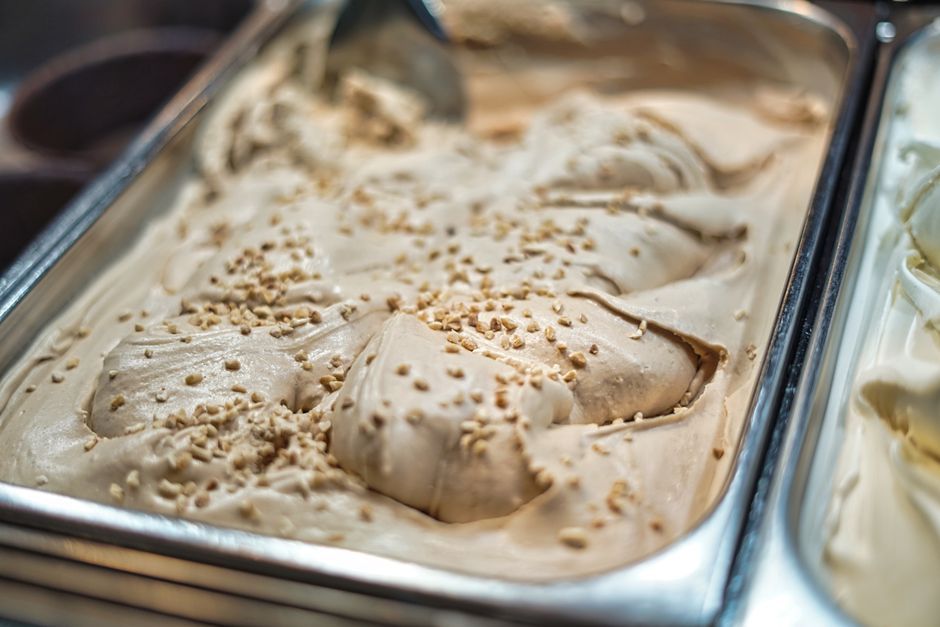
Stock photo for illustration only, not from the actual event
This year's revival is propelled by a combination of nostalgia, social media influence, and the perception of froyo as a healthier dessert alternative. Several brands including Go Greek, Myka, and Yo-Chi launched new London locations, while Frurt expanded its footprint in the north-west of England and Yorkshire with a new store in Leicester.
Despite tubs costing as much as 12 pounds, companies have witnessed hundreds of customers queuing up to craft their own portions. Kiersten acknowledged that the treat can be expensive, but she considers the occasional splurge acceptable given her ability to manage portion sizes and sweetness levels directly.
"People are coming back to re-experience childhood a little bit."
Clarke, Yo-Chi representativeMarket research from Market Data Forecast estimates the European frozen yoghurt market will reach 434 million pounds in 2026, growing from 419 million pounds the previous year. Australian brand Yo-Chi opened a branch in Notting Hill in August, quickly generating viral attention online due to its extensive topping selections and experiential atmosphere.
The resurgence of past food trends relies heavily on consumer psychology tied to nostalgia marketing and viral social media engagement. However, the initial collapse of the froyo market at the end of the 2010s stemmed from over-saturation and changing consumer perceptions regarding sugar content. As current prices climb to 12 pounds per tub, long-term survival will depend on whether this experiential novelty can withstand fading hype and cost pressures.

Stock photo for illustration only, not from the actual event
Vhari Russell, founder of Food Marketing Experts, explained that market over-saturation and the natural life cycle of dying trends contributed to the original disappearance of froyo. Market leaders like Snog faced rising competition from rivals such as Yog, Yoomoo, and Pinkberry before consumer enthusiasm waned.
Source: BBC Business
Found something wrong in this article? Report an issue with this article
Comments
Leave a Comment