

Building a Portable Faraday Cage and BLE Scanner
Discover how to build a Faraday cage and ESP32 scanner to bypass BLE tracking in Bangkok, exploring 2.4 GHz signals and privacy.

Stock photo for illustration only, not from the actual event
- Smart devices keep transmitting BLE beacon packets even when turned off.
- Modern urban environments are filled with passive tracking sniffers.
- Common household aluminum foil fails to block signals effectively.
- Custom shielding pouches and scanners help erase digital footprints.
That smartphone, wireless earbuds, and smartwatch in your pocket might seem quiet when you toggle settings off, but modern smart devices continue to blast out weak BLE beacon packets every few seconds for peripheral discovery.
Ceilings and lamp posts in modern cities are crawling with passive sniffers profiling everyone who walks by. Even with randomized MAC addresses, radio fingerprinting still allows systems to map exact walking routes and locations.
Modern radio frequency tracking goes far beyond simple identifier logging, analyzing hardware characteristics and timing patterns to track users, making basic privacy toggles insufficient for complete protection.
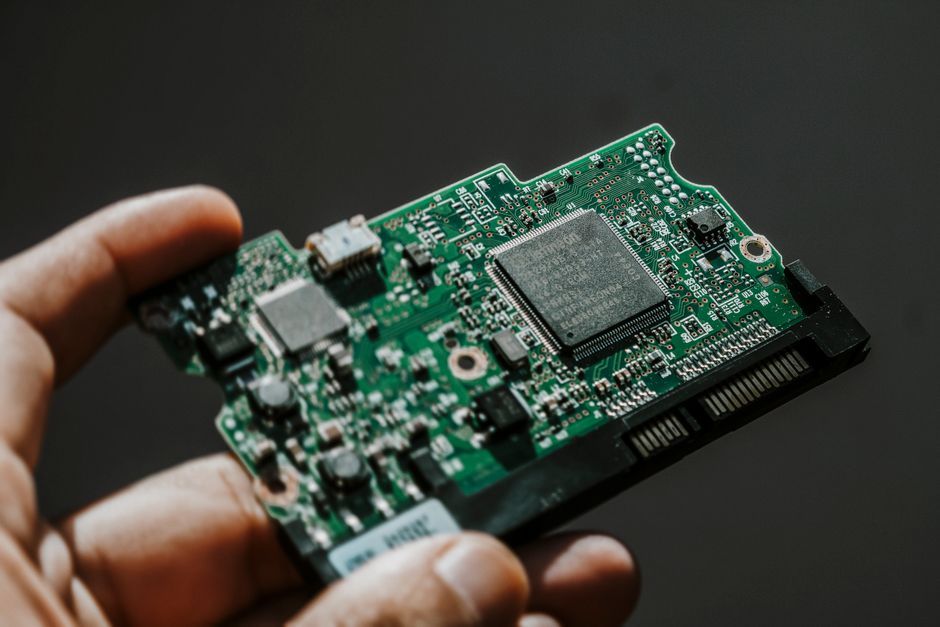
Stock photo for illustration only, not from the actual event
To combat surveillance, understanding broadcast mechanics is essential. BLE operates across three primary advertising channels at 2402 MHz, 2426 MHz, and 2480 MHz, continuously transmitting hardware identifiers and power levels into the air.
When electromagnetic waves hit a conductor, eddy currents form on the surface. At 2.45 GHz, the skin depth of copper is roughly 1.3 µm, explaining why wrapping devices in grocery-store aluminum foil still leaks signals.
"Commercial traffic-analysis beacons. ESP32 sniffers parasitizing the light power."
Darling
True attenuation requires conductive polyester-nickel-copper ripstore fabric with double-fold seams and secure closures, achieving over 80 dB of signal reduction to drop transmissions well below the noise floor.
Source: Dev.to
Found something wrong in this article? Report an issue with this article
Comments
Leave a Comment