

Paf Atelier Builds Radical Environments for Imagination
Paris-based Paf Atelier merges human-centric architecture, scenography, and immersive narratives under founder Christopher Dessus to spark collective imagination.

Stock photo for illustration only, not from the actual event
- Paf Atelier in Paris focuses on human-centric spaces shaped by collective imagination.
- The studio bridges bold geometry with deep emotional resonance to enhance human interaction.
- Projects range from retail environments and exhibitions to temporary cultural installations.
- Founder Christopher Dessus emphasizes long-term cultural relevance through cross-disciplinary collaborations.
In a design landscape often driven by fast-paced commercial demands, Paris-based Paf Atelier is carving out a distinct path rooted in the power of shared imagination. Operating across architecture, scenography, and immersive storytelling, the practice crafts human-centric spaces that challenge conventional spatial boundaries and invite fresh forms of human interaction.
Established in 2017 by Christopher Dessus, the multidisciplinary studio rejects decorative excess in favor of a rigorous dialogue between conceptual reflection and material experimentation. By drawing inspiration from travel and cross-disciplinary dialogue, the team transforms abstract ideas into tangible landscapes designed to evoke curiosity and joy among visitors navigating urban environments.
"It is my job to dream with new aspects, materials, and collaborations. We all need dreams to continue to draw and produce new things."
Christopher Dessus, Founder of Paf Atelier
This methodology is further amplified through Dessus's creative agency, Pli office, which partners with cultural institutions and creators to unlock new creative energies. Although many of their interventions are temporary, the studio maintains a steadfast focus on long-term cultural impact by blending local production techniques with emerging creative talents.
Translating immaterial feelings like dreams into tangible architectural structures highlights how spatial design can serve as an emotional sanctuary. By dissolving traditional boundaries between screens, seating, and structure, studios like Paf Atelier demonstrate how urban environments can offer quiet pauses that foster optimism and inspire new possibilities in fast-paced cities.
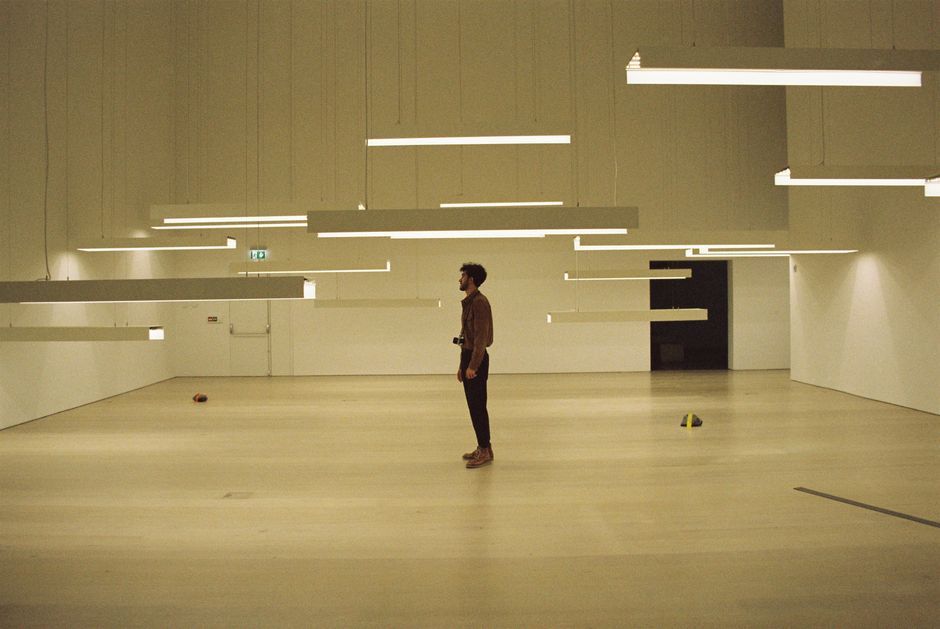
Stock photo for illustration only, not from the actual event
A prime example of this ethos is Cinema for Dreams, developed alongside designboom for Milan Design Week 2026. The installation merges screens and seating into a continuous architectural form designed to fully immerse visitors, offering a contemplative spatial pause that underscores how thoughtful design can stimulate optimism within hectic urban contexts.
Source: designboom
Found something wrong in this article? Report an issue with this article
Comments
Leave a Comment