

UK drought 2026: wheat harvest plummets and bills soar
Explore how the 2026 heatwave and severe drought plunged UK wheat yields to record lows, forcing dairy and arable farms to face surging costs.

Stock photo for illustration only, not from the actual event
- UK cereal harvest hits record low with wheat down by 3 million tonnes or 11% according to AHDB
- South West dairy farms face over 100,000 pounds in extra feed costs due to parched pastures
- Charles Day's Gloucestershire farm lost half its wheat crop and plans to expand its water reservoir
- Government allocates an extra 20 million pounds to support farmers tackling extreme weather
The hottest summer on record and the longest drought have inflicted severe blows on agricultural communities across the West Country in the UK, with farmers counting the heavy costs of a brutal growing season.
For Charles Day's family farm in north Gloucestershire, the crucial weeks of June and July brought zero rainfall, causing wheat grains to shrivel and yields to plummet. Official estimates indicate the total UK cereal harvest was the lowest on record, with wheat dropping by approximately three million tonnes, or 11%, according to the Agricultural and Horticultural Development Board (AHDB).
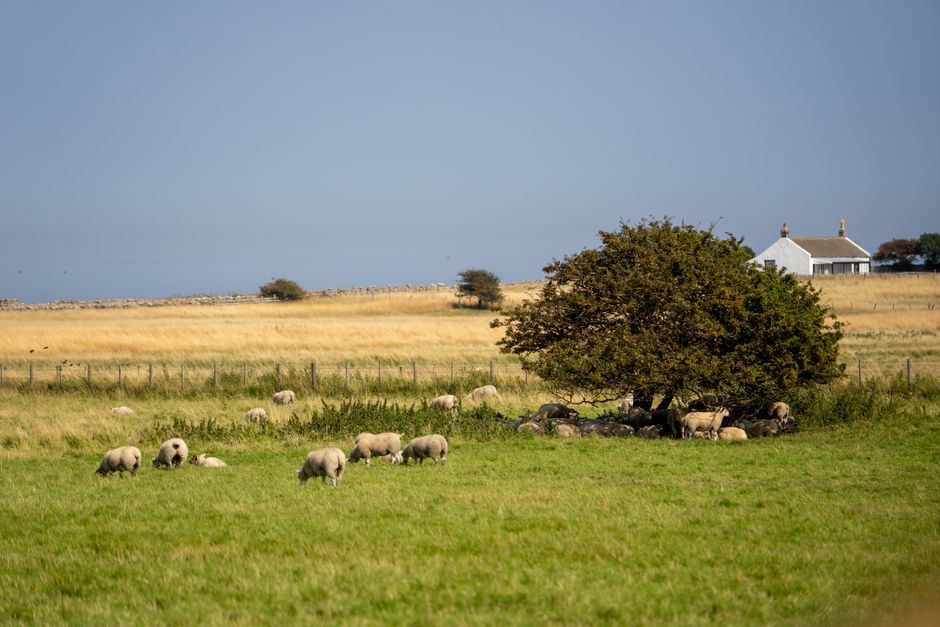
Stock photo for illustration only, not from the actual event
Anthony Hopkins, AHDB director of cereals and oilseeds, noted that arable farmers in the hardest-hit areas are facing intense financial pressure amid high input costs. Meanwhile, Tom Collins of the NFU in Wiltshire reported that most cereal farmers in the South West saw harvests drop by at least 30%, with spring barley and beans plunging over 50% due to the drought.
Dairy producers experienced different pressures; although total UK milk production dipped by only 4.5% according to AHDB, farms in the Cotswolds suffered from brown, nutrient-starved pastures. Sarah Godwin's family had to dip into winter silage reserves early and purchase external feed to sustain their dairy cows.
"On top of that, cows suffered more lameness, lower fertility, more mastitis. They really did not enjoy the heat."
Sarah Godwin
The Godwins invested 15,000 pounds installing new sprinkler systems and large fans inside barns to protect cattle from extreme heat. In Somerset, Tom Kimber noted that extreme weather is becoming the new normal, managing 250 dairy cows where grass yields dropped significantly, forcing them to consume winter silage stocks early through July and August.
Context and Analysis: The 2026 UK drought highlights the escalating vulnerability of domestic food supply chains to climate volatility. As extreme weather events transition from anomalies into the new normal, investments in agricultural water infrastructure and sustainable farming practices become critical for long-term food security.
Government initiatives to provide reservoir grants and farming incentives reflect growing urgency, though administrative hurdles and overwhelming demand underscore the deep financial strain currently felt across rural communities.
Charles Day's farm benefits from a winter-fed lake used to irrigate nearby vegetables, and the family hopes to expand it to capture more water. While Prime Minister Andy Burnham announced support measures including reservoir grants, high demand overwhelmed the application portal. The Department for Environment, Food and Rural Affairs subsequently added 20 million pounds to top up the initial 50 million pound fund announced in August.
Source: BBC Business
Found something wrong in this article? Report an issue with this article
Comments
Leave a Comment