

CTA estimates Trump's 100% US tech push to cost firms $230B
Consumer Technology Association estimates that Donald Trump's aggressive push for 100% US-made tech could cost tech firms $230 billion.

Stock photo for illustration only, not from the actual event
- CTA estimates reshoring tech production to the US 100% will cost firms $230 billion
- Donald Trump's aggressive push aims to eliminate foreign supply chain dependency
- The tech industry faces massive operational challenges restructuring manufacturing
The aggressive campaign to mandate domestic manufacturing for all technology products within the United States is facing severe financial scrutiny. Recently, the Consumer Technology Association (CTA) has crunched the numbers regarding Donald Trump's push to achieve a 100% US-made technology ecosystem.
According to CTA's estimates, this aggressive reshoring strategy could impose a staggering financial burden on technology companies. The projected cost for the industry is estimated to reach $230 billion, highlighting the extreme difficulty of abruptly severing ties with complex, decades-old global supply chains.
Donald Trump's reshoring vision is seen as a double-edged sword. While its stated goal is to create domestic jobs and reduce reliance on foreign manufacturing hubs, the current infrastructure, specialized labor force, and assembly plants inside the United States are far from ready to support such massive production scales overnight.
Contextual analysis reveals that the semiconductor and hardware industries are deeply integrated globally. Moving every tier of the manufacturing process back to US soil requires not only unprecedented capital expenditure from private firms but also forces companies to grapple with labor and material costs vastly higher than those in Asian manufacturing hubs. Ultimately, these costs risk being passed down to consumers.
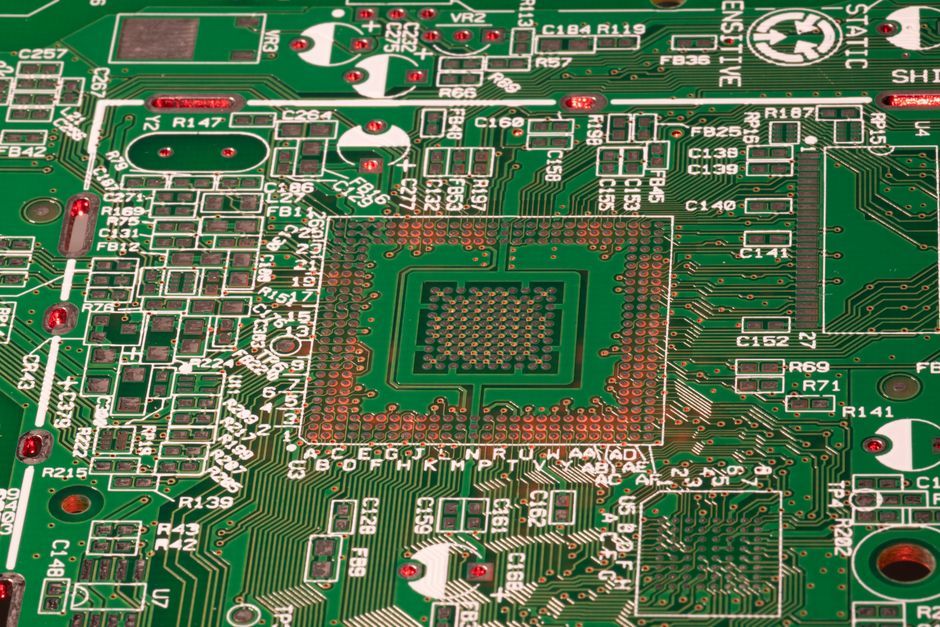
Stock photo for illustration only, not from the actual event
The warnings issued through CTA's financial breakdown serve as a clear indicator that political ambitions for total technological self-reliance often clash with the economic realities of global market efficiency and cost management.
Source: Ars Technica
Found something wrong in this article? Report an issue with this article
Comments
Leave a Comment