

BUSTAN: Robotically 3D-Printed Earth Pavilion in Israel
The Material Topology Research Lab builds BUSTAN using 178 robotically 3D-printed earth bricks surrounding a living olive tree in Holon, Israel.

Stock photo for illustration only, not from the actual event
- BUSTAN features 178 robotically 3D-printed earth bricks built around a living olive tree in Israel.
- Combines computational fabrication with traditional dryland agricultural knowledge from the Middle East.
- Custom brick geometries regulate shade, thermal mass, airflow, and moisture for ecological functions.
- Provides habitats and niches for plants, insects, birds, small mammals, and fungi to thrive.
The Material Topology Research Lab (MTRL) at the Technion – Israel Institute of Technology, alongside the Weizmann Tree Lab, has developed BUSTAN, a full-scale earthen pavilion for The Circle exhibition at Design Museum Holon in Israel. Constructed from 178 robotically 3D-printed earth bricks, the entire structure is centered around a living olive tree, regarded as the pavilion's primary client.
The bricks are crafted primarily from locally sourced soil mixed with bio-based plant fibers and mineral binders. Each brick is digitally designed and fabricated using a robotic arm at the Technion Advanced Construction Center (TACC), featuring customized geometries and surface textures tailored to specific ecological roles such as thermal regulation, shading, and moisture retention.
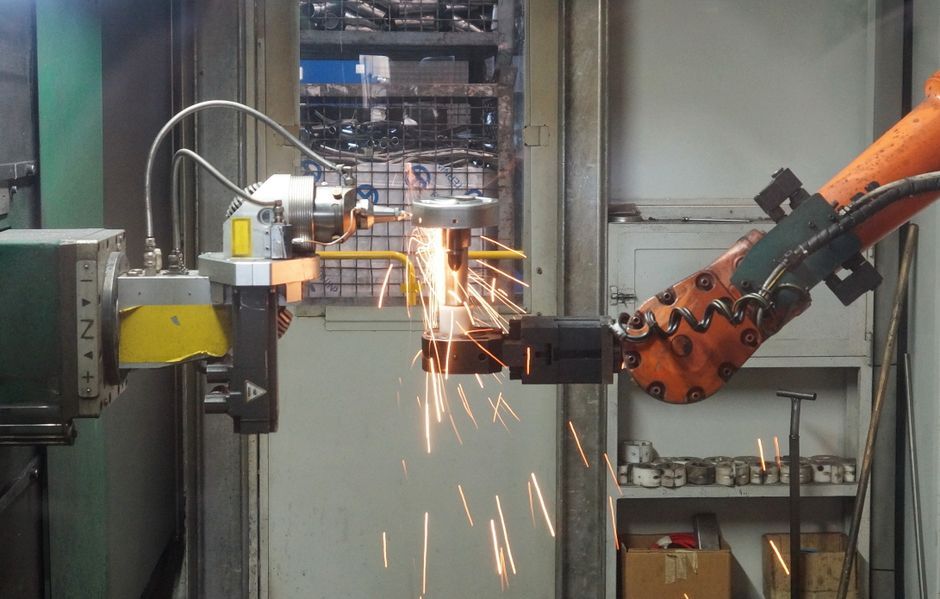
Stock photo for illustration only, not from the actual event
The porous earthen wall creates a specialized microclimate around the tree's canopy and root zone. Thick earth walls absorb solar heat during the day and release it at night, while upper openings facilitate passive stack ventilation. Additionally, the layered soil profile within the planting zone sustains moisture levels through capillary action.
Stock photo for illustration only, not from the actual event
Bespoke brick designs also generate natural niches and shelters for local insects, birds, small mammals, fungi, and biocrusts. Through this weathering process, the project reimagines architecture as an evolving living system rather than a static built object, drawing environmental logic from Eastern Mediterranean and Middle Eastern dryland agricultural traditions.
The BUSTAN project demonstrates how advanced robotic additive manufacturing can merge with vernacular agricultural wisdom to address modern ecological challenges. By designing structures that actively cultivate microclimates and support multispecies coexistence, this approach pioneers a shift toward architecture that regenerates local biodiversity.
Source: designboom
Found something wrong in this article? Report an issue with this article
Comments
Leave a Comment