

Unlocking the Secret of Gecko Calls: The Science Behind Instincts and Ancient Prophecies
Decoding the natural behavior of the house gecko's call while exploring the traditional beliefs of omens and counts cherished by ancestors.
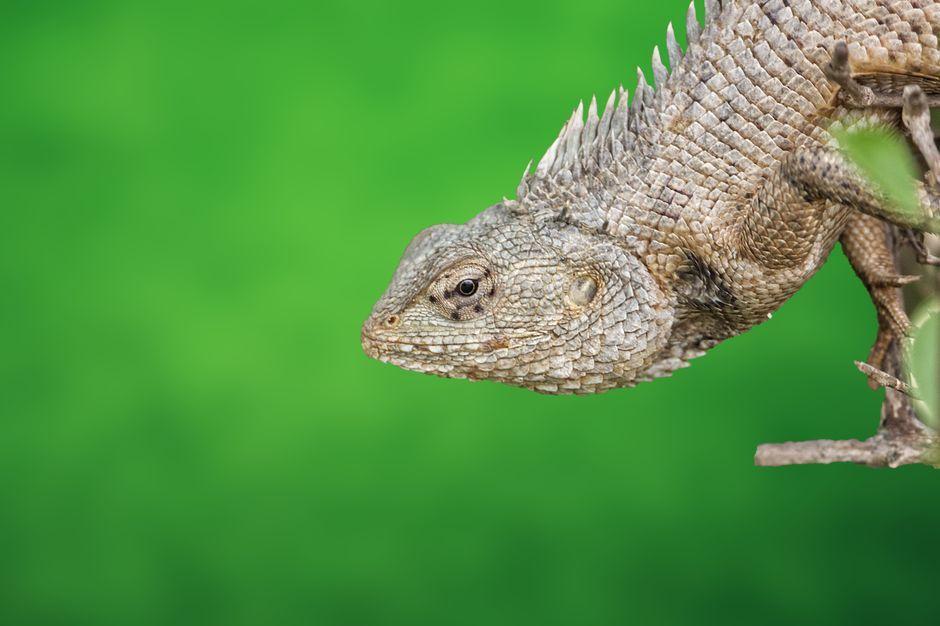
Stock photo for illustration only, not from the actual event
- The gecko's call is produced by the natural compression of air through its vocal cords.
- The primary purpose is to declare territory, call for a mate, and deter enemies.
- Ancient beliefs divide predictions based on the number of calls and the time of day.
When hearing the call of a house gecko, many people often pause to listen and cannot resist counting the number of times it calls, linking it to fortune or omens. From a natural science perspective, however, this unique vocalization has nothing to do with predicting the future. Instead, it is caused by throat muscles compressing air through the vocal cords, serving vital biological behavioral purposes.
The main behaviors for a gecko's vocalization include:
- Declaring territory, to send an intimidating signal warning other geckos not to trespass into its habitat.
- Calling for a mate, using a resonant sound as a communication tool between males and females during the mating season.
- Deterring enemies, when feeling threatened or startled, the sound emitted is short and sharp to warn the intruder.
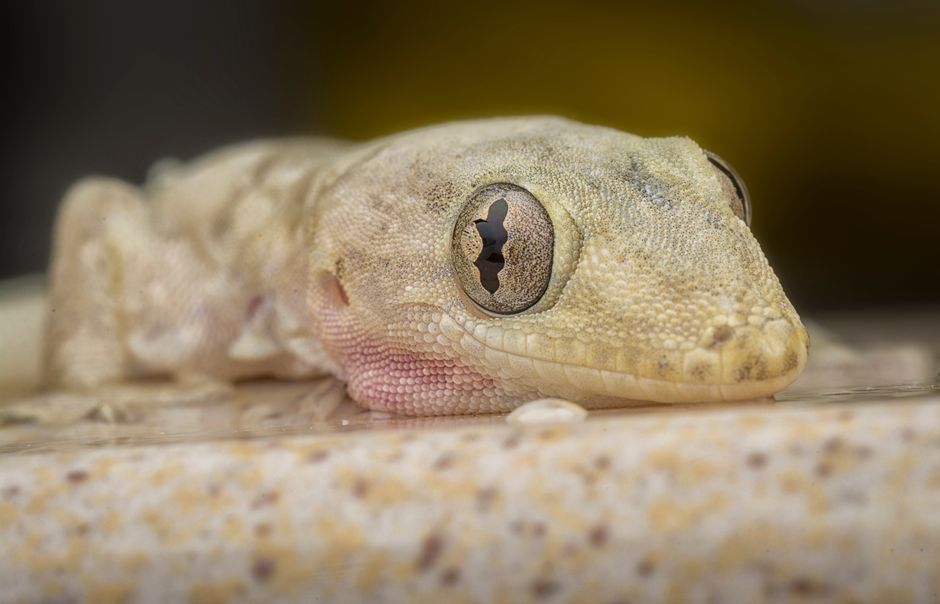
Meanwhile, traditional Thai wisdom and beliefs assign interesting meanings to the number of calls. It is stated that calling 1 to 4 times is believed to be a rather unfavorable omen, potentially bringing distress or serving as a warning to be careful in life. Calling 5 times is considered a neutral number meaning breaking even—neither good nor bad. Calling 6 times is predicted to bring good news and minor fortune, and calling 7 times is considered highly auspicious, bringing a major fortune or complete prosperity. Finishing with 8 times or more, which is deemed the absolute best, signifies prosperity in status and rank and success in any endeavor.
"If a gecko greets you with its call during the day, it is often interpreted as a warning omen to beware of misfortune. However, if it calls at night, as is normal, it is typically seen as a sign of fortune or the natural protection of the household."
Traditional Thai Beliefs
In the past, reptiles like geckos often lived in human dwellings and acted as excellent pest controllers. Creating clever folk wisdom around their vocalizations served as a social tool that helped residents stay alert, wary of surroundings, and live cautiously. Combining scientific understanding with ancient wisdom thus allows us to coexist with nature in our homes with greater understanding and happiness.
Source: Thairath Lifestyle
Found something wrong in this article? Report an issue with this article
Comments
Leave a Comment