

Tropical Storm Isaias 2026: First Atlantic Hurricane Forecast
Tropical Storm Isaias forms in the Gulf of Mexico, forecast to strengthen into the first Atlantic hurricane of 2026 ahead of a US landfall.

Stock photo for illustration only, not from the actual event
- Tropical Storm Isaias forms in the Gulf of Mexico as the season's potential first hurricane.
- Forecasters expect the storm to reach category 2 strength before making US Gulf Coast landfall.
- Florida Governor Ron DeSantis declares a state of emergency across 25 counties.
- The developing El Niño pattern had previously suppressed Atlantic hurricane activity.
Tropical Storm Isaias has officially formed in the Gulf of Mexico and is tracking toward becoming the first Atlantic hurricane of the 2026 season. According to the latest updates from the US National Hurricane Center, the storm system is projected to reach hurricane strength by early Thursday morning before intensifying further into a category two storm by Friday morning.
Initial impacts will be felt along parts of Mexico as the system swirls offshore, bringing up to 4 inches or 100 millimeters of rainfall around the Bay of Campeche and the Yucatan Peninsula alongside strong winds. Isaias is then projected to make landfall along the US Gulf Coast—most likely hitting Louisiana, Mississippi, Alabama, or Florida—late Friday or early Saturday.
The US National Weather Service has issued Hurricane and Storm Surge Watches along the Gulf Coast due to severe threats including damaging winds, torrential rain, and coastal flooding. Rainfall totals between 3 and 6 inches, equivalent to 75 to 150 millimeters, are anticipated from southeast Louisiana to northwest Florida, with isolated totals reaching up to 10 inches or 250 millimeters in urban areas prone to flash flooding.
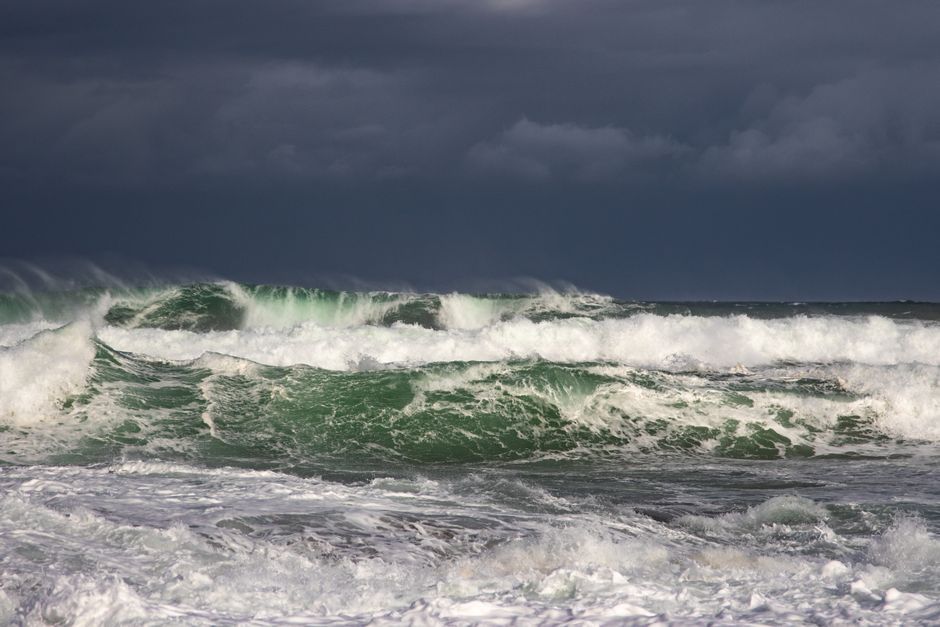
Stock photo for illustration only, not from the actual event
The formation of Isaias is particularly notable because it breaks a quiet Atlantic hurricane season heavily suppressed by a strengthening El Niño pattern in the Pacific Ocean. While El Niño typically generates wind shear that tears developing storms apart, unusually high sea surface temperatures reaching 30 to 31 degrees Celsius provided the necessary thermal fuel for Isaias to overcome these atmospheric hurdles.
In response to the approaching threat, Florida Governor Ron DeSantis has declared a state of emergency across 25 counties. Although the storm will weaken once it moves further inland and loses contact with warm ocean waters, forecasters warn it will still deliver disruptive wet weather across wide swathes of the southeastern United States, reaching as far north as the Tennessee Valley and the Carolinas.
Source: BBC Science & Environment
Found something wrong in this article? Report an issue with this article
Comments
Leave a Comment