

Alaska Airlines Expands Beyond West Coast Roots
Alaska Airlines Chief Commercial Officer Andrew Harrison outlines growth strategies in Portland and San Diego as Seattle approaches capacity by 2032.

Stock photo for illustration only, not from the actual event
- Seattle-Tacoma Airport projected to reach full capacity by 2032, prompting route shifts.
- Growth focus directed toward secondary hubs in Portland, San Diego, and Paine Field.
- International destinations target raised to 15 global locations by 2030.
Despite facing infrastructure constraints at its main Seattle hub, intense competition from Delta, and soaring jet fuel prices, Alaska Airlines believes it can solidify its dominance on the West Coast. Chief Commercial Officer Andrew Harrison shared insights with Skift regarding the carrier's strategic investments in premium cabin upgrades and international expansion initiatives.
As SeaTac airport approaches its capacity limit by 2032—a milestone that threatens to trigger operational disruptions and higher fares—the airline plans to reroute connecting passenger traffic through Portland and San Diego. This operational shift aims to preserve valuable seat inventory at Seattle for local originating travelers, complemented by fleet upgauging strategies utilizing high-capacity aircraft.
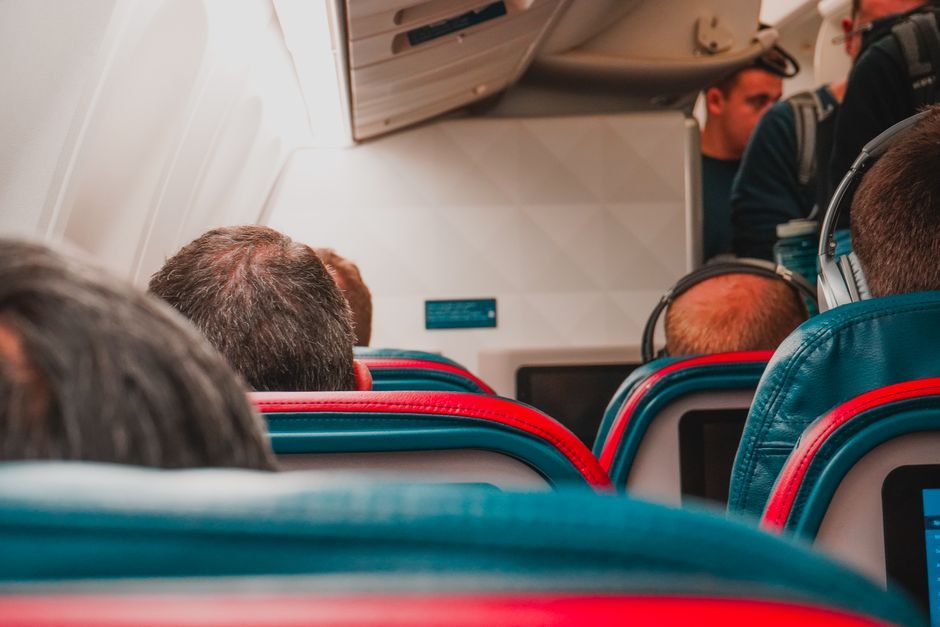
Stock photo for illustration only, not from the actual event
These network adjustments coincide with a broader transformation following the 2024 acquisition of Hawaiian Airlines. The carrier is actively rolling out enhanced business class products across its fleet, introducing a dedicated premium economy cabin for the first time, and installing lie-flat seating on Boeing 737 Max 10 aircraft. Consequently, the airline has elevated its international route target to 15 destinations by 2030, with specific expansion anticipated in Asian markets where it competes directly with Delta on Seattle-Tokyo and Seattle-Seoul routes.
"The biggest lever is to put more and more connecting traffic over Portland and leave the seats available in Seattle for the Seattle local passenger."
Andrew Harrison, Chief Commercial Officer, Alaska Airlines
This strategic pivot highlights the evolution of regional carriers into comprehensive global network operators. By aggressively managing constrained domestic hubs and pivoting toward high-yield premium offerings and international long-haul routes, Alaska Airlines aims to insulate its profit margins against macroeconomic pressures like volatile fuel costs.
Although high fuel prices previously wiped out profitability for the first half of 2026 and prompted management to suspend financial guidance for the year, the carrier's long-term pivot toward international markets and premium travel segments remains firmly on track.
Source: Skift
Found something wrong in this article? Report an issue with this article
Comments
Leave a Comment