

Shell Profits Double as Oil Prices Surge Amid Iran War
Energy giant Shell reports second-quarter profits more than doubled to $9.84bn as the US-Israel war with Iran drives up crude prices.
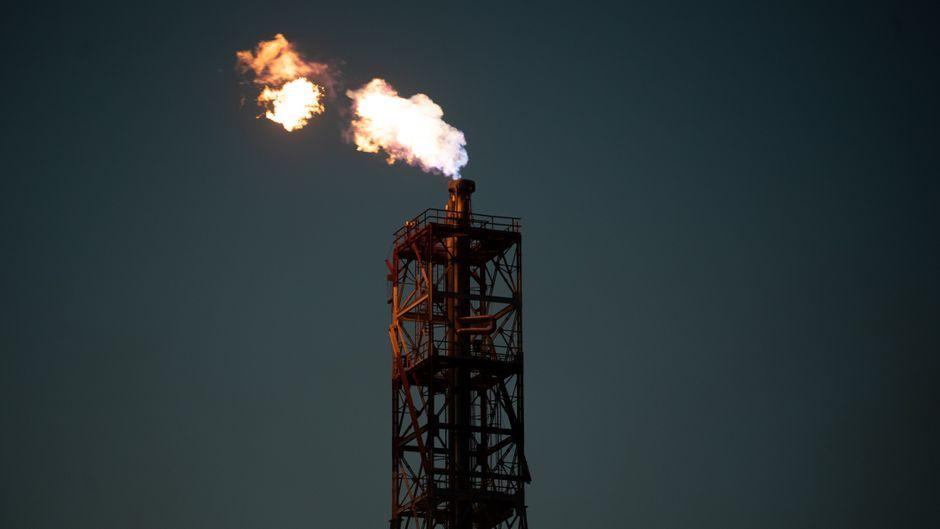
Stock photo for illustration only, not from the actual event
- Shell's Q2 profits more than doubled to $9.84 billion
- Surging crude prices and market volatility boosted trading business
- Pearl gas facility in Qatar damaged by missile, repairs take a year
Energy giant Shell has announced that its profits for the second quarter of the year more than doubled, driven by soaring oil prices resulting from the ongoing war involving Iran.
The oil major posted profits of $9.84bn (£7.37bn) for the April-to-June period, climbing significantly from $4.26bn during the same timeframe last year. The surge follows major disruptions to global supplies of crude oil and liquefied natural gas through the Strait of Hormuz amid the US-Israel war with Iran.
Energy prices have experienced sharp swings throughout the conflict, which in turn boosted Shell's trading operations. Combined with its $6.92bn profit from the first three months of the year, Shell has recorded a 70% surge in earnings for the first half of the year, mirroring bumper profits seen at rival firms like BP and Equinor.
Prior to the conflict, Brent crude benchmark prices hovered around $73 a barrel. Since then, prices peaked above $120 before dropping back below $100 amid speculation over the reopening of the Strait of Hormuz. These dramatic movements widen the gap between buying and selling prices, enabling trading desks to secure higher margins.
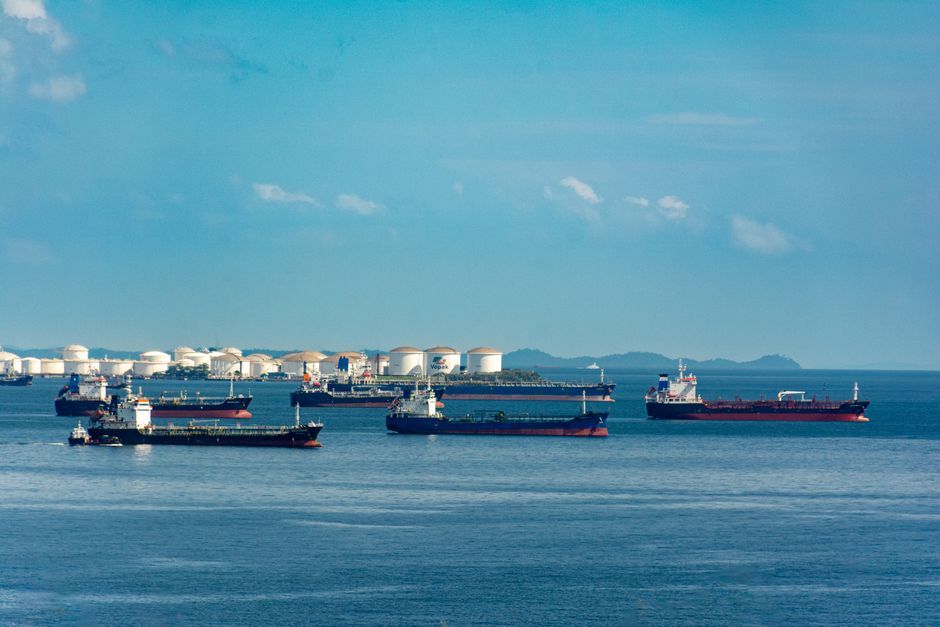
Stock photo for illustration only, not from the actual event
Extreme market volatility in commodities often presents lucrative opportunities for major energy traders who can capitalize on wide bid-ask spreads during geopolitical crises. However, while trading arms reap the rewards, upstream operations frequently face severe logistical hurdles and security risks in unstable regions.
Despite trading gains, the Middle East conflict has adversely affected several operational assets. Shell's LNG production in Qatar has remained shut down since early March, and its Pearl gas-to-liquids facility suffered extensive damage from a missile strike in March, with repairs estimated to take about a year.
Overall gas production dropped to 631,000 barrels of oil equivalent per day for the second quarter, down from 909,000 barrels per day in the first quarter. Total oil and gas production for the first half of the year fell 16% compared to the first half of 2025, despite the company highlighting new output in Brazil and the Gulf of Mexico.
"[Shell] remains a steady ship in an industry where conditions can change rapidly."
Shell
Source: BBC Business
Found something wrong in this article? Report an issue with this article
Comments
Leave a Comment