

Mountaineer who survived avalanche finds rare sea dragon fossil
Matthew Myerscough, a civil engineer who developed PTSD after being buried under snow on a Welsh mountain, has discovered a 201-million-year-old marine reptile jaw in a landmark find for Wales.
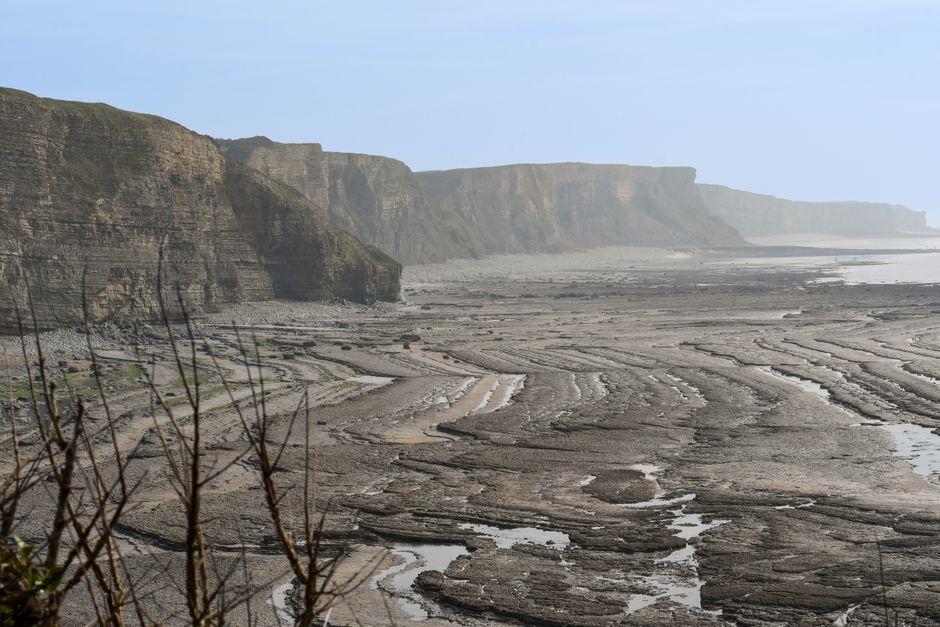
Stock photo for illustration only, not from the actual event
- Matthew Myerscough survived an avalanche on Yr Wyddfa in 2014 after being buried under a meter of snow.
- Fossil hunting on beaches helped him process post-traumatic stress disorder (PTSD).
- He and fellow fossil hunters discovered the lower jaw of a rhomaleosaurus, a Jurassic sea dragon.
- The find marks the first time this type of marine reptile has been discovered in Wales.
A near-death experience on a snowy peak can alter the course of a person's life forever. For Matthew Myerscough, a civil engineer, surviving a devastating avalanche on Yr Wyddfa, also known as Snowdon, in 2014 left him unconscious beneath a meter of snow for 20 minutes and battling post-traumatic stress disorder (PTSD) long after the incident.
Seeking refuge away from the mountains, he gravitated toward the fossil-rich beaches at Lavernock Point in the Vale of Glamorgan. There, he uncovered a jawbone dating back to the Jurassic period 200 million years ago. The meticulous, focused nature of hunting for fossils provided a therapeutic outlet that allowed his anxieties to dissipate.
"Being on the beach, and looking for fossils, and being kind of really focused on one specific task... it has been a tool for me to kind of process things."
Matthew Myerscough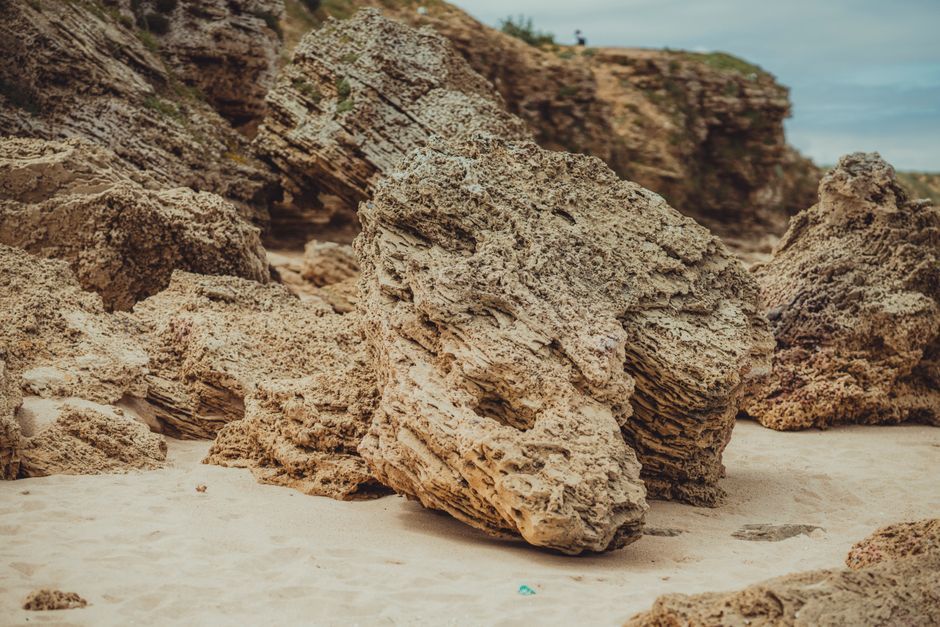
Stock photo for illustration only, not from the actual event
In addition to aiding his mental recovery, his dedication to fossil hunting led to a groundbreaking discovery: a 201-million-year-old plesiosaur jawbone, a carnivorous marine reptile from the early Jurassic period never before found in Wales. Myerscough and two fellow fossil hunters spotted a large, unusual shape embedded within the limestone as they were leaving Lavernock Point.
Discovering early Jurassic marine reptiles such as plesiosaurs and rhomaleosaurs in the limestone cliffs of Wales is of significant geological value. The coastal strata in the Vale of Glamorgan preserve a rich record of prehistoric marine life. Finding such predator remains helps paleontologists better understand the distribution and diversity of prehistoric ecosystems during this era, with research currently ongoing alongside the National Museum Cardiff.
After reaching out to experts, the team confirmed that the specimen was the lower jaw of a rhomaleosaurus, a top predator commonly known as a sea dragon. Research into the specimen by the National Museum Cardiff is ongoing, and Myerscough expressed hope that the work will ultimately lead to an academic publication.
For those inspired to try fossil hunting themselves, Myerscough recommends carrying a hand lens to closely inspect rocks, durable hiking boots or wellies, and a flask of strong coffee. Walking along Lavernock Point can yield loose vertebrae from plesiosaurs or ichthyosaurs, rib fragments, and even fossilized feces known as coprolites from prehistoric sharks. He has also detailed his experiences in a book titled In Search of Sea Dragons: A Fossil Hunter's Odyssey, aiming to capture the genuine thrill of discovery on the shore.
Source: BBC Science & Environment
Found something wrong in this article? Report an issue with this article
Comments
Leave a Comment