

Francois Prost Photographs Nightclub Facades in Daylight
French photographer Francois Prost captures abandoned nightclub facades across France and Spain in broad daylight, revealing an architecture of unfulfilled fantasies.

Stock photo for illustration only, not from the actual event
- Francois Prost began photographing daytime nightclubs in 2011 after discovering a converted farmhouse in Burgundy.
- Nightclub facades use borrowed cultural symbols like palm trees and neon to promise fantastical escapes.
- Daylight strips away the nightlife illusion, exposing the raw physical structures and signs left behind.
- The long-term photography project later expanded to Japanese love hotels and clubs in Côte d’Ivoire.
A nightclub facade often acts as an image long before it functions as a physical place. Parisian photographer Francois Prost, born in 1980, has spent over a decade tracing how these nighttime venues transform borrowed symbols and popular fantasies into enduring architectural promises, capturing the structures long after the spectacle itself has vanished into thin air.
The fascination began in 2011 during a bicycle ride along a canal in Burgundy, France. While cutting through rural fields, Prost encountered an old farmhouse that had been converted into a nightclub, featuring a lightbox sign screwed above the entrance, a laser mounted on the chimney, and fluorescent stars decorating the doorway. Scattered gravel, broken glass, and torn flyers surrounded the venue, creating a stark contrast between the previous night's frenzy and the ordinary morning sunlight.
Although the club was closed with no music, crowds, or colored lights, the building stubbornly continued to broadcast its intended identity. This initial encounter sparked a persistent body of work spanning France, Europe, and international locations. Despite varying cultural contexts, Prost repeatedly encountered familiar architectural tropes designed to transport visitors to entirely different geographies and emotional states.
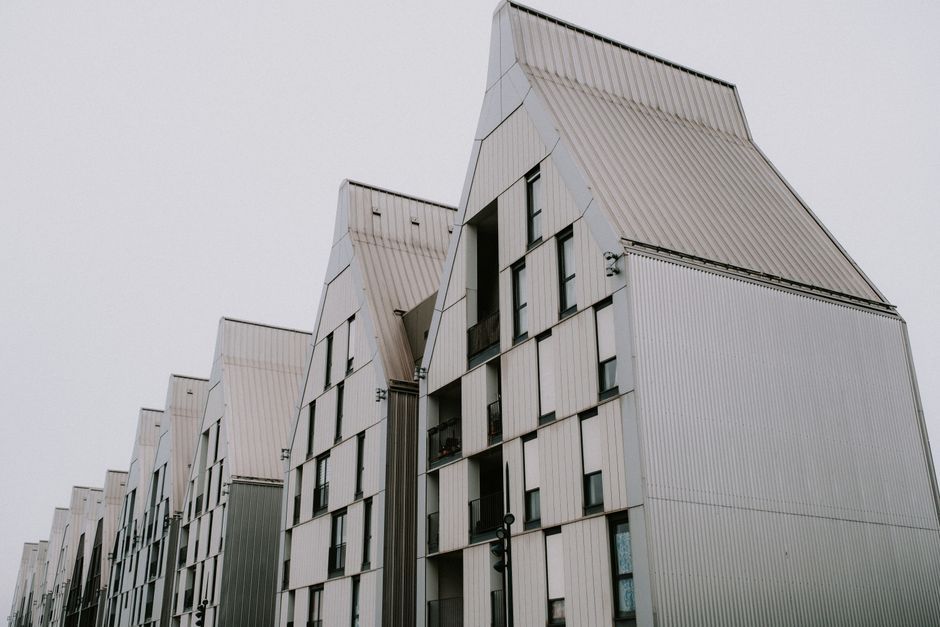
Stock photo for illustration only, not from the actual event
The visual vocabulary deployed by these venues relies on accessible collective imagery. A palm tree suggests tropical climes, a column evokes ancient Greece, neon lights summon Las Vegas, faux marble promises luxury, and golden lettering implies prestige. Even names such as Copacabana, Le Mirage, or L’Acropole function as immediate mental triggers, demonstrating that the facade's primary role is not necessarily to describe the interior, but to guarantee an illusion.
By deliberately photographing these commercial spaces in daylight, Prost reframes them from mere entertainment venues into physical artifacts of popular desire. Morning light strips away the performative illusions of nightlife, exposing the raw materiality of painted walls, fake foliage, and weathered signs that reveal how ordinary people construct architectural fantasies from readily available media imagery.
During the day, the spectacle is completely dismantled while the underlying machinery remains intact, fundamentally altering the meaning of the buildings. Documented examples across various regions include
- L’Acropol in Chilly-Mazarin, Essonne, photographed in 2013
- Le Niagara in Missillac, Loire-Atlantique, photographed in 2014
- No Limit Club in Vannes, Morbihan, photographed in 2017
- Le Bugatti in Beauvais, Oise, photographed in 2015
Over the years, this photographic inquiry expanded toward other typologies built around desire, including American gentlemen’s clubs, Japanese love hotels, and venues in Côte d’Ivoire. While their cultural functions differ widely, the underlying mechanism remains consistent: buildings transform into images, images become promises, and those promises reveal themselves most clearly when nobody is watching.
Source: designboom
Found something wrong in this article? Report an issue with this article
Comments
Leave a Comment