

Poppy's Promise: Parents of baby who died partner with NHS
Neil and Katie Russell turned the 2021 tragedy of their baby Poppy's preventable death into Poppy's Promise to restore compassion in the NHS UK healthcare system.

Stock photo for illustration only, not from the actual event
- Baby Poppy died in April 2021 from a preventable hypoxic brain injury
- An inquest revealed she would have survived if born an hour earlier
- The hospital trust initially blamed the mother and covered up failings
- Poppy's Promise is now being rolled out to all 8,000 trust staff
When Poppy Russell passed away shortly after birth, her parents Neil and Katie were left utterly devastated. The grief was subsequently compounded by a bitter irony: the mother was falsely blamed by the hospital for her daughter's tragic death at the Princess Royal Hospital in Telford.
During her pregnancy, 41-year-old Katie had informed midwives about her tokophobia—a severe fear of natural birth—and requested a caesarean section. When labor began, she was induced and left unattended in a room for extended periods without proper care. By the time an emergency caesarean was finally performed, Poppy had already suffered a hypoxic brain injury and died later that same day. An official inquest concluded that she would have survived had she been delivered just an hour earlier.
Rather than taking accountability initially, The Shrewsbury and Telford NHS Trust (SaTH) claimed that Katie had refused fetal monitoring, a claim disproven by the inquest. Neil Russell noted that discovering the cascade of lies and cover-ups by staff members in the months and years following their daughter's death was almost as painful as the loss itself.
Following the 2023 inquest, the trust admitted to care failings and offered an apology. In March 2024, the couple met with hospital officials to discuss the ordeal and decided to honor Poppy by creating Poppy's Promise, a framework centered on acknowledging patient feelings and empowering them in their care.
"We could have very easily been consumed by hate and anger and rage at what happened – and those feelings are still there," said Katie.
Katie Russell
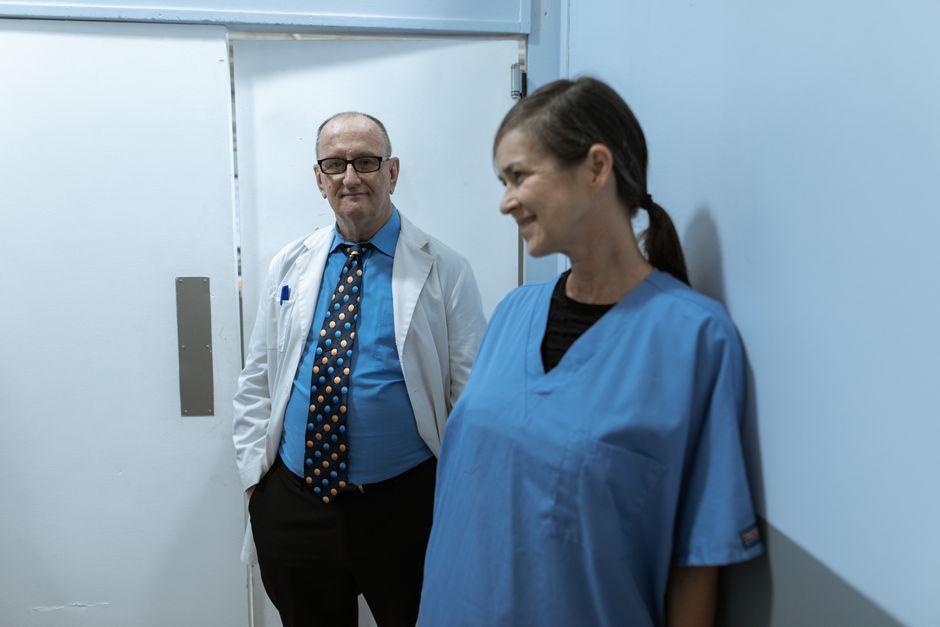
Stock photo for illustration only, not from the actual event
The case highlights systemic pressures within large healthcare organizations like the UK's National Health Service, where staff frequently experience emotional and compassion fatigue due to heavy workloads and competing demands. Embedding compassion principles directly into staff recruitment and training programs represents a crucial step toward humanizing medical care and ensuring institutional accountability in maternity services.
As part of its ongoing improvement initiatives, SaTH is rolling out Poppy's Promise to all 8,000 of its employees and has integrated questions regarding compassionate care into its hiring workflows. Dr. Adrian Marsh, an emergency medicine consultant at the hospital, acknowledged that maintaining consistent kindness remains challenging amid heavy patient loads and high-pressure environments.
Looking forward, Poppy's parents aim to expand their initiative beyond a single hospital. Other NHS organizations and academic institutions have already reached out to explore integrating Poppy's Promise into their educational curricula, striving to weave compassionate care permanently throughout the broader health service.
Source: BBC Health
Found something wrong in this article? Report an issue with this article
Comments
Leave a Comment