

Nvidia's Physical AI Bet Targets Safer Robotaxis and Humanoids
Nvidia introduces a full-stack safety solution for physical AI, aiming to enhance safety standards for robotics companies developing robotaxis and humanoid robots.

Stock photo for illustration only, not from the actual event
- Nvidia launches a full-stack safety solution tailored for physical AI applications
- The primary focus is improving safety measures for autonomous robotaxis
- The technology is also deployed to support humanoid robotics development
- Leading robotics companies have already started integrating the solution
As artificial intelligence extends far beyond digital screens, Nvidia is making a substantial investment in physical AI. This strategic move marks a critical milestone in bridging advanced software intelligence with the real world through complex machinery and automated systems.
The newly introduced offering is designed specifically to address rigorous safety challenges. Serving as a full-stack safety solution, it empowers robotics developers to thoroughly test, evaluate, and elevate the safety compliance of their products before commercial deployment.
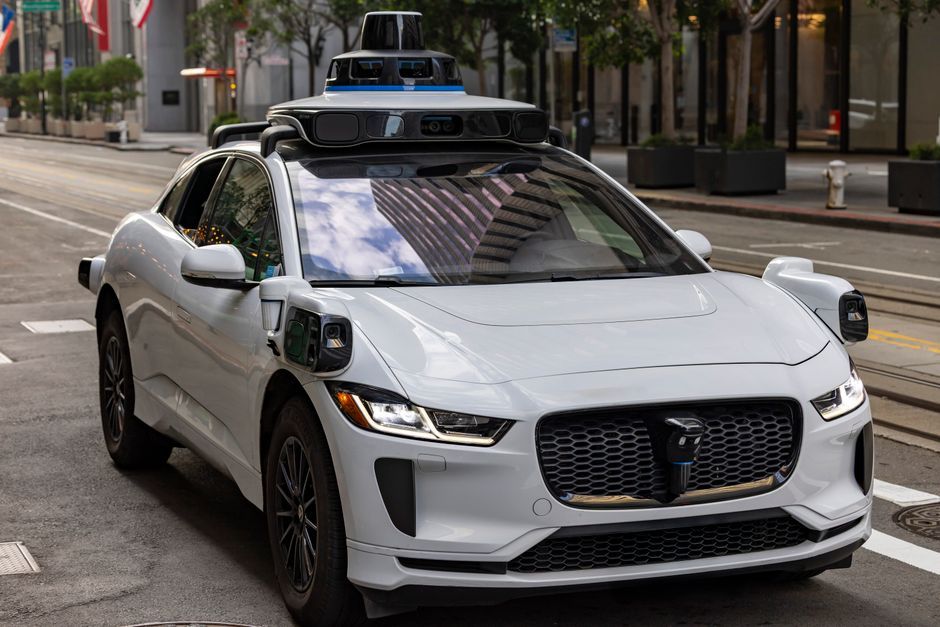
Stock photo for illustration only, not from the actual event
The primary beneficiaries of this technology include the autonomous transportation sector, specifically companies building robotaxis. These vehicles must navigate highly complex and unpredictable real-world traffic environments, making precise physical AI understanding vital for accident prevention.
Furthermore, the solution extends its reach to the development of humanoid robots. As these human-like machines gain traction, ensuring they can operate alongside people in shared environments safely and smoothly remains a top priority.
Nvidia's heavy emphasis on physical AI highlights a broader industry shift moving past traditional generative AI toward systems capable of interacting with physical world physics. Establishing robust full-stack safety standards is a crucial step in lowering regulatory hurdles and consumer apprehension surrounding autonomous machines.
This initiative demonstrates Nvidia's ambition to dominate not only AI processing hardware but also establish the fundamental safety infrastructure for the next generation of autonomous systems, shaping the future of robotics development.
Source: Ars Technica
Found something wrong in this article? Report an issue with this article
Comments
Leave a Comment