

Houthi Strikes 2026: Over a Quarter of Saudi Flights Disrupted
Houthi drone and missile strikes disrupt over a quarter of flight departures across Saudi Arabia, sending shockwaves through Gulf aviation.

Stock photo for illustration only, not from the actual event
- More than a quarter of all flights leaving Saudi Arabia were disrupted on Thursday, totaling 312 out of 1,194 departures.
- Riyadh's King Khalid International Airport faced the heaviest blow, with nearly half of its departures canceled or grounded.
- Saudia bore the brunt at a 42% disruption rate, followed by Flynas and Flyadeal, while Wizz Air delayed its Gulf return to 2027.
- EASA's September 30 advisory to avoid Saudi airspace continues to push up operational costs through lengthy detours.
Geopolitical tensions in the Middle East have dealt a severe blow to aviation infrastructure, shaking the reliability of the Gulf region's dominant hub model. Iran-aligned Houthi rebels escalated their attacks on the kingdom's major airports, throwing nationwide flight schedules into disarray.
According to aviation analytics firm Cirium, 312 out of 1,194 scheduled departures—representing more than 25% of all outbound flights from Saudi Arabia—were canceled or failed to operate on Thursday. The attacks primarily targeted Abha International Airport in the south and Riyadh’s King Khalid International Airport on Tuesday and Wednesday. Saudi Arabia’s General Authority of Civil Aviation reported that the strikes resulted in three deaths and 36 injuries.
Houthi spokesperson Yahya Sareea stated on social media platform X on Thursday that a ballistic missile struck Riyadh’s King Khalid Airport, causing structural damage and disrupting air traffic operations. By 6 p.m. local time on Thursday, Cirium data showed that nearly half of all departures from the Riyadh hub had been canceled or grounded.
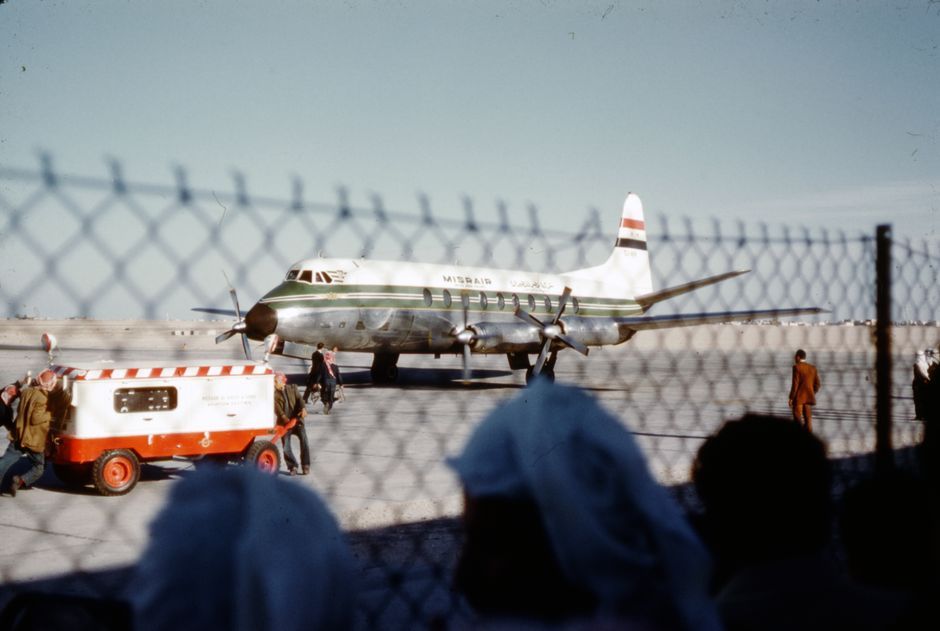
Stock photo for illustration only, not from the actual event
"A ballistic missile struck Riyadh’s King Khalid Airport, causing damage and disrupting air traffic at the airport."
Yahya Sareea, Houthi Spokesperson
Flag carrier Saudia absorbed the largest share of the disruption, canceling or failing to operate 169 of its 402 departures, accounting for 42%. Low-cost carriers Flynas and Flyadeal experienced disruption rates of 27% and 26% respectively, while Riyadh Air temporarily paused all outbound flights from Riyadh for the remainder of the day. Meanwhile, full-schedule operations were maintained by carriers such as Etihad, Royal Jordanian, Air Arabia, and Pegasus.
This wave of security incidents highlights the acute vulnerability of the Gulf's hub-and-spoke aviation model, which relies heavily on uninterrupted regional airspace. Following the European Union Aviation Safety Agency's (EASA) September 30 advisory warning operators away from Saudi airspace due to missile and drone risks, commercial airlines are forced to incur higher fuel and operating costs from extended routings, rendering several regional strategies economically unviable in the near term.
The cascading effects of these airspace restrictions are already reshaping airline networks well beyond the kingdom. Wizz Air announced it has postponed its planned Abu Dhabi and Dubai flight restarts from October to March 27, 2027, explaining that longer detours make A321neo and A321XLR operations commercially unviable.
Source: Skift
Found something wrong in this article? Report an issue with this article
Comments
Leave a Comment