

NHS faces winter pressures as hospital waiting lists grow
NHS waiting lists in England rose for the second consecutive month to 7.37 million treatments in August 2025, raising concerns ahead of winter.

Stock photo for illustration only, not from the actual event
- Routine hospital treatment waiting lists in England rose to 7.37 million by the end of August 2025.
- Emergency department waits exceeding 12 hours increased by 13% compared to the previous year.
- Senior health leaders warn the government's 2029 target to treat 92% within 18 weeks may be missed.
- A&E and ambulance services experienced record patient numbers for the month of September.
Senior health leaders have issued warnings regarding early signs of winter pressures already impacting the National Health Service (NHS) in England, as new data shows waiting lists for routine hospital treatments have climbed for the second consecutive month.
An estimated 7.37 million treatments remained pending at the end of August, involving approximately 6.24 million patients. These figures represent the highest totals recorded since October 2025, casting serious doubts over whether the NHS will be able to achieve the government's target of treating 92% of patients within 18 weeks by 2029.
The increase in waiting lists comes despite NHS services in England delivering record levels of planned elective care over the summer months, with a record 4.7 million planned procedures, treatments, and appointments occurring across June, July, and August. However, service demand reached all-time highs, driving record patient numbers through A&E and ambulance services during September.
Professor Frankie Swords, national medical director for NHS England, warned that winter pressures were already building despite frontline efforts. Meanwhile, the NHS Alliance stated that the government is unlikely to fulfill its manifesto pledge of hitting the 18-week waiting time target by the end of the parliamentary term in 2029, a milestone that has remained unmet for a decade.
"The NHS continues to respond to record demand for care, but the relentless growth in demand for services is putting NHS staff under real pressure."
Sir Ciarán Devane, Chief Executive of the NHS Alliance
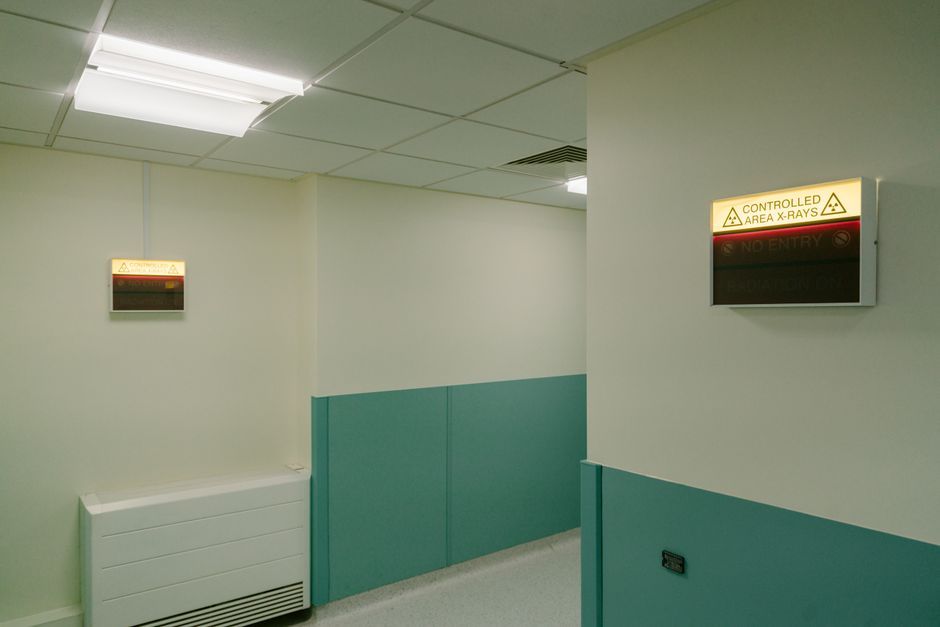
Stock photo for illustration only, not from the actual event
The ongoing struggle of the UK healthcare system with capacity bottlenecks and shifting seasonal pressures highlights systemic structural challenges. When patient referrals outpace completed treatments, waiting lists expand rapidly, creating severe operational strains and compromising patient safety within overcrowded emergency departments.
A separate analysis by the Health Foundation think-tank noted that progress in reducing waiting times stalled over the past year due to referral rates outpacing treatment numbers. Francesca Cavallaro of the Health Foundation explained that the service is effectively having to run faster just to stand still. Compounding the issue, rising numbers of patients, including children, have arrived at A&E departments suffering from flu and other respiratory viruses.
Consequently, the percentage of patients seen within four hours in A&E last month dropped to 74.4%, down from 75.0% in August. This decline alarmed Dr Vicky Price, president of the Society for Acute Medicine, who highlighted that over 50,000 patients waited longer than 12 hours from admission decisions to actual bed placement in September, averaging 1,686 people every day.
Source: BBC Health
Found something wrong in this article? Report an issue with this article
Comments
Leave a Comment