

Chile Flooding: Residents Airlifted After Heavy Rains
Torrential rains cause the Mapocho river in central Chile to burst its banks, bringing Santiago's highest October rainfall in 76 years.

Stock photo for illustration only, not from the actual event
- Police in central Chile airlift residents and pets trapped by floodwaters
- The Mapocho river bursts its banks, flooding Talagante city
- Santiago records its wettest October in 76 years with heavy rainfall
- One person found dead in a flooded underpass in San Bernardo
Police authorities in central Chile have carried out air rescue operations using helicopters to evacuate several residents who found themselves trapped inside their homes as floodwaters rapidly rose. The severe flooding was triggered by torrential downpours that caused the Mapocho river to burst its banks, inundating large portions of the city of Talagante, located 35 kilometers or 22 miles south-west of the capital city, Santiago.
Meteorologists reported that Santiago has recorded 74 millimeters of rainfall within the first seven days of the month, marking the area's wettest October in 76 years. Meanwhile, officials stated that one individual was found dead inside a flooded underpass located in the city of San Bernardo, situated south of Santiago, though authorities are still in the process of confirming the exact cause of death.
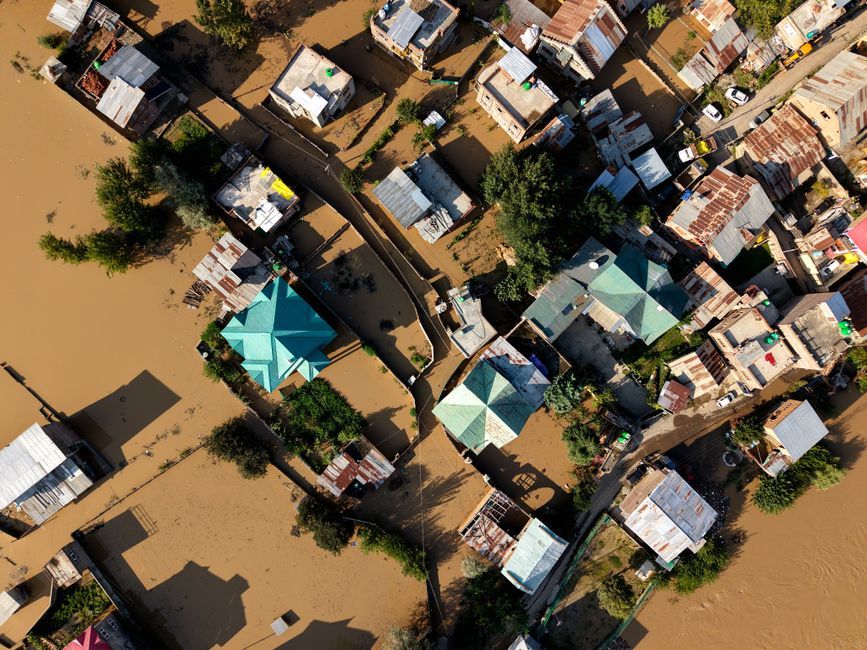
Stock photo for illustration only, not from the actual event
In Talagante, police deployed helicopters to rescue people and pets living along the banks of the Mapocho river who were caught off guard by overnight rising waters. Dirt roads transformed into rushing rivers across the riverside community, which unlike the storms in July, had not been evacuated prior to the heavy rainfall arriving.
The unusually strong El Niño climate phenomenon currently underway is driving significant shifts in global weather patterns, particularly bringing severe weather to the southern hemisphere during its spring season. Climate experts warn that this pattern is expected to continue delivering heavy precipitation, powerful winds, and violent storms to the region, intensifying weather extremes worldwide from prolonged droughts to severe floods.
Climate experts have further warned that the 2026-2027 El Niño cycle is likely to induce major weather disruptions globally, with forecasters noting that the developing climate phenomenon is on track to become one of the strongest on record weeks ahead of its anticipated peak.
Source: BBC Science & Environment
Found something wrong in this article? Report an issue with this article
Comments
Leave a Comment