

Quantum computers outperform classical ones, with results you can trust
Exploring three distinct approaches to tackling the challenge of quantum results that cannot be verified classically.
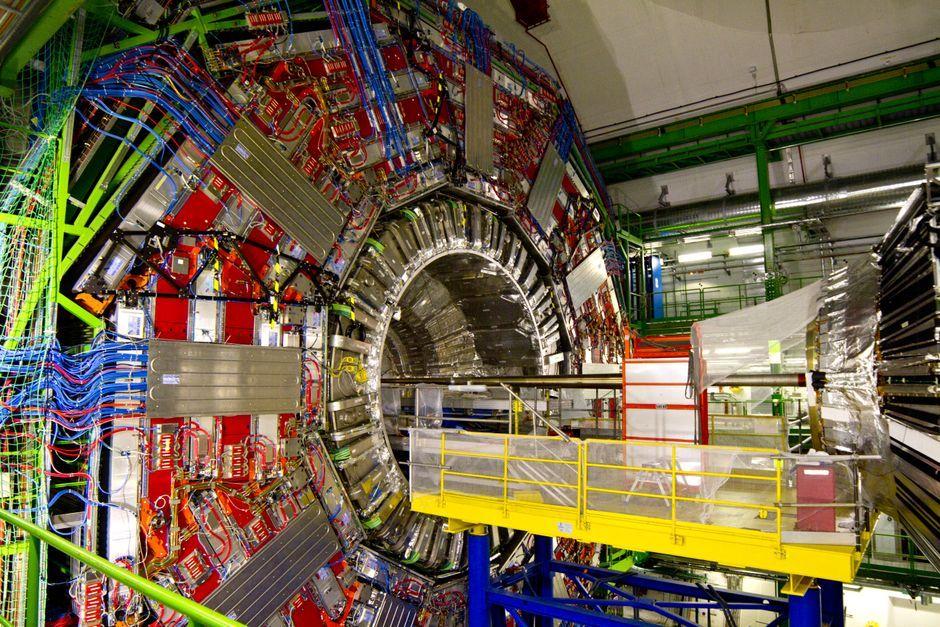
Stock photo for illustration only, not from the actual event
- Quantum computers now deliver performance surpassing classical machines.
- A major hurdle is verifying these outputs when classical computers lack the power to check them.
- Researchers have outlined three approaches to address this issue.
- An Ars Technica report dives deep into ensuring quantum computational reliability.
As quantum technology continues to push past historical boundaries, quantum computers have successfully demonstrated processing capabilities that far exceed traditional classical computers. Yet, this leap in raw power brings forth a profound scientific dilemma: how can we verify that the results produced by a quantum system are actually correct, especially when standard computers lack the sheer processing power to double-check the answers?
This validation hurdle stands as a critical checkpoint for the entire field of quantum computing. Trust and reliability remain paramount for real-world adoption. Without a reliable way to verify outputs, achieving unprecedented computation speeds loses its practical value if researchers cannot confidently rely on the generated data.
The challenge of verifying quantum outputs is closely tied to the concept of quantum supremacy validation. Once a quantum processor reaches a level of complexity where current supercomputers can no longer simulate its state, direct verification becomes impossible. Consequently, researchers must rely on clever mathematical frameworks and probabilistic validation strategies instead.
To tackle this verification dilemma, current scientific efforts have broken down the solution space into three distinct strategies. Each method offers a unique mechanism designed to build trust in outputs generated by advanced quantum hardware:
- The first approach utilizes specific mathematical structures that allow for partial verification of computational results.
- The second method involves designing specialized algorithms enabling classical systems to check correctness without fully re-running the heavy computation.
- The third strategy relies on collective verification and statistical cross-comparisons across multiple independent runs.
Source: Ars Technica
Found something wrong in this article? Report an issue with this article
Comments
Leave a Comment