

US plans livestream of execution by firing squad for Nidal Hasan
The US government plans to livestream the execution of Nidal Hasan, the former Army major convicted in the Fort Hood shooting, on December 3rd.

Stock photo for illustration only, not from the actual event
- The US plans to livestream the execution of former Army major Nidal Hasan.
- The execution by firing squad is scheduled for December 3rd at 2 PM ET.
- US Defense Secretary Pete Hegseth stated the public needs to see the serious consequences.
- Tech platforms including YouTube, Twitch, and TikTok have not responded regarding broadcast policies.
The United States government plans to livestream the execution of Nidal Hasan, the former US Army major convicted of killing 13 people at a military base in Texas, according to anonymous Defense Department officials who spoke with the BBC and Associated Press. The execution is scheduled to take place on December 3rd at 2:00 PM Eastern Time and will be carried out by a firing squad.
In light of the announcement, The Verge reached out to major technology and streaming platforms including YouTube, Twitch, TikTok, Meta, Rumble, and Kick to inquire whether they would allow the execution livestream to be broadcast on their respective services. None of the companies responded prior to the publication of this report.
US Defense Secretary Pete Hegseth addressed the decision during an interview with Real America’s Voice, emphasizing the administration's stance on transparency and deterrence for capital crimes. “We’ll make sure that people are able to watch it, that it’s public, because people need to understand that there’s serious consequences for these types of things,” Hegseth said.
The proposal to livestream a federal execution by firing squad marks a significant departure from traditional penal practices in the United States, where executions are typically witnessed only by a restricted group of officials, media, and victims' families. This unprecedented move raises major legal, ethical, and technological questions, particularly regarding how modern social media platforms moderate graphic content of state-sanctioned violence and whether digital distribution sets a controversial new precedent for criminal justice transparency.
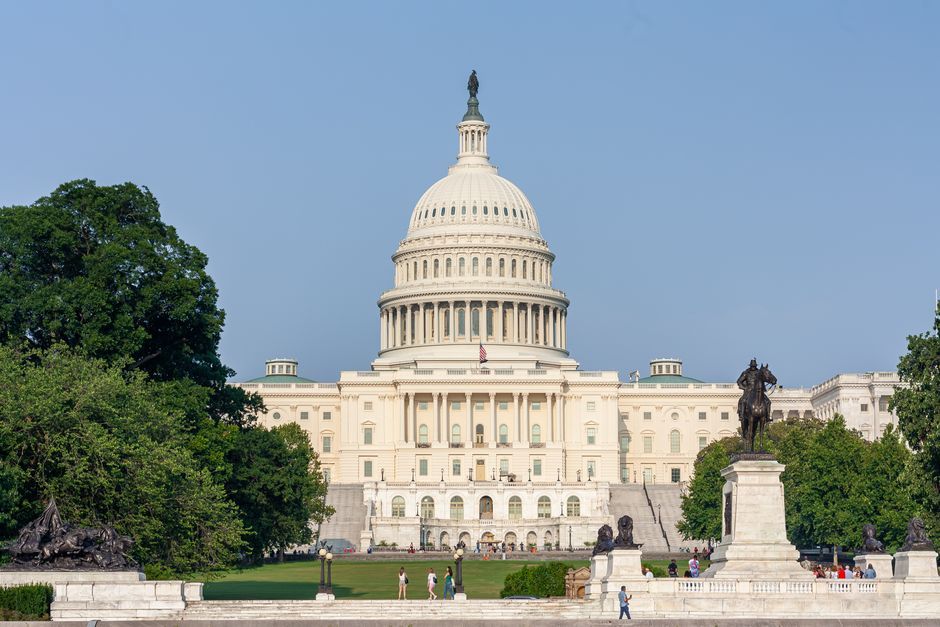
Stock photo for illustration only, not from the actual event
Source: The Verge
Found something wrong in this article? Report an issue with this article
Comments
Leave a Comment