

AMD will bring FSR 4 to handhelds by the end of 2026
AMD consumer chip chief Jack Huynh confirms plans to bring AI-powered FSR 4 technology to APUs, laptops, and handheld gaming devices by the end of 2026.

Stock photo for illustration only, not from the actual event
- AMD plans to expand AI-based FSR 4 technology to handhelds by late 2026
- Jack Huynh confirms support for both existing APUs and upcoming new products
- Uncertainty remains whether current handhelds will get the upgrade or need new hardware
- David McAfee previously noted chips require sufficient compute power for FSR 4
AMD is planning to introduce its AI-driven framerate-boosting FSR 4 technology to handheld gaming devices by the end of 2026. This development arrives after previous concerns raised back in June when the chipmaker left handheld gamers uncertain about whether older hardware would receive official support for the technology.
Jack Huynh, AMD's head of consumer chips, revealed in an interview with South Korean publication The Elec that the company will expand the machine learning and AI-based FSR 4 technology—initially introduced for external desktop graphics cards—across its entire product lineup, including APUs, gaming laptops, and handheld devices by the end of this year. He noted that AMD plans to respond by both launching new product lines and supporting existing APUs.
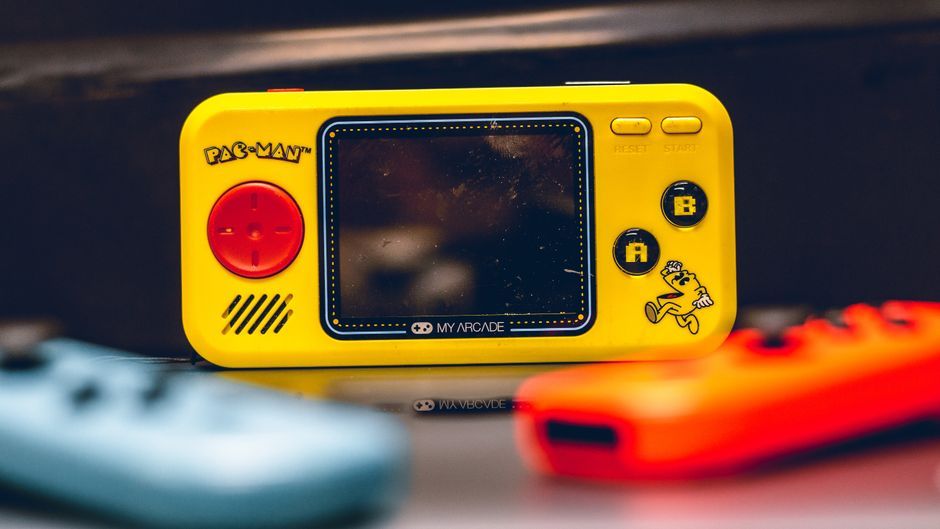
Stock photo for illustration only, not from the actual event
According to The Elec, this initiative means both a brand new APU and a lightweight FSR 4 model tailored for APUs are on the way. Previously, AMD had only promised FSR 4 for desktop graphics cards rather than laptop and handheld processors, suggesting that the feature might require upcoming unreleased hardware such as AMD's rumored Ryzen Z3 or Gainsborough handheld chips.
Bringing FSR version 4 to portable gaming hardware marks a crucial milestone since small-form-factor devices face strict power and thermal constraints. Leveraging AI to boost frame rates allows handhelds to run demanding games smoothly without draining batteries excessively. However, the main hurdle lies in whether older chips, such as those found in the original Steam Deck, possess enough processing compute to handle the workload efficiently.
"We will expand the machine learning AI-based FSR4 technology, which was first introduced to existing external graphics cards, to the entire product line including APUs, gaming laptops, and handheld devices by this year."
Jack Huynh
Earlier, when dampening expectations for FSR 4 on older handhelds, AMD executive David McAfee told Tom's Guide that the company wants to "make sure the experience and the quality is right" and that products would need "a sufficient amount of compute" for FSR 4 to make sense. This implies certain older laptop processors might qualify while older handheld chips might fall short.
Valve previously collaborated with AMD to bring FSR 4 to the console-grade AMD APU powering the Steam Machine, but has not yet committed to bringing the same upgrade to its Steam Deck handheld lineup. Meanwhile, AMD did not immediately respond to requests for clarification regarding Huynh's statements.
Source: The Verge
Found something wrong in this article? Report an issue with this article
Comments
Leave a Comment