

SpaceX Calls for Better Coordination in Orbit After Near-Misses
SpaceX reports alarming near-miss conjunctions involving Starlink satellites at distances of tens to hundreds of meters in October 2026, urging improved orbital coordination.

Stock photo for illustration only, not from the actual event
- SpaceX calls for enhanced orbital coordination and better communication.
- Starlink satellites experienced alarming near-miss conjunctions with other spacecraft.
- Proximity distances between objects shrank to just tens and hundreds of meters.
- The situation highlights growing concerns over orbital safety and congestion.
Amid the rapidly increasing congestion of objects in space, SpaceX has stepped forward to demand improved cooperation and coordination in orbit. The urgent call comes in the wake of several alarming close encounters where Starlink internet satellites narrowly avoided collisions with other space objects.
These conjunction events have raised serious safety concerns within the aerospace community. According to reports regarding the incidents, the passing distances between Starlink satellites and other objects narrowed down to a range of tens of meters to hundreds of meters, creating dangerously tight margins for orbital operations.
Orbital near-misses in Low Earth Orbit (LEO) represent an escalating operational challenge as the number of commercial mega-constellations and space debris continues to grow. Establishing robust Space Traffic Management (STM) frameworks is becoming critical to prevent catastrophic collisions that could trigger a cascading field of debris in space.
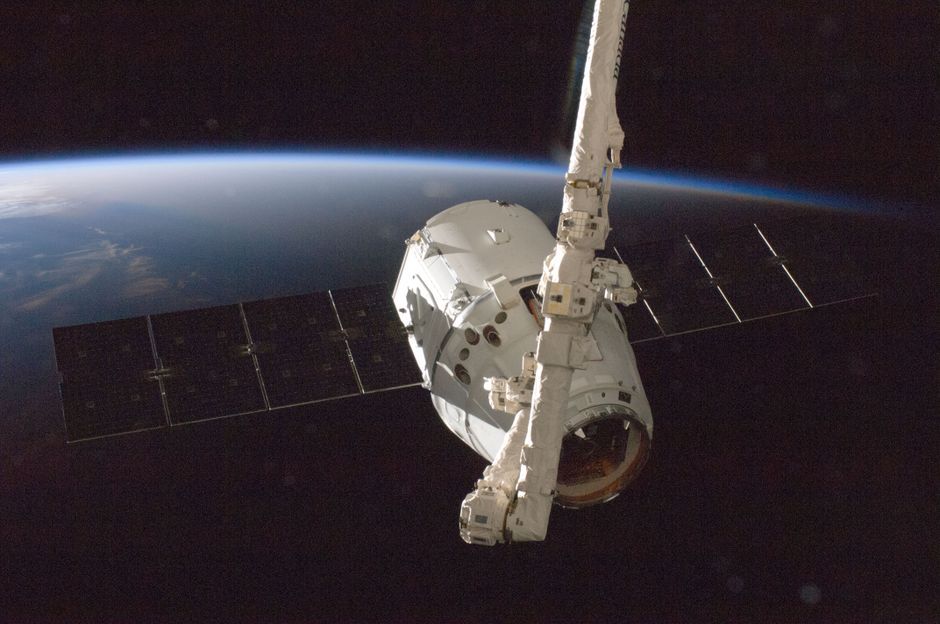
Stock photo for illustration only, not from the actual event
Maintaining safety in orbit requires proactive measures, transparent data-sharing, and standardized protocols among all satellite operators and space agencies worldwide to mitigate ongoing collision risks.
Source: Ars Technica
Found something wrong in this article? Report an issue with this article
Comments
Leave a Comment