

Why UK women are embracing anger and speaking out
One in five British women reported feeling angry in 2024, up from one in ten in 2020, amid mounting unpaid workloads and cultural shifts.

Stock photo for illustration only, not from the actual event
- One in five British women reported feeling angry in 2024, doubling the figure from 2020
- Global data shows women have reported daily anger more than men for nearly two decades
- Unpaid workloads, mental loads, and societal expectations are core drivers
- Cultural representations in music and film now position female rage as liberating
Across the United Kingdom, a growing number of women are openly reporting that they feel angrier than ever before. In 2024, one in five British women stated that they experienced anger during a significant portion of the previous day, marking a sharp increase from just one in ten in 2020. This trend mirrors a broader global pattern where, for nearly two decades, more women than men worldwide have reported experiencing daily anger, with the gap continuing to widen.
Experts suggest that this shift is driven by a combination of genuinely heightened frustration and a greater willingness to express it openly. Psychotherapist Jennifer Cox, author and co-host of the Women are Mad podcast, began researching anger after noticing that the suppression of it among her female clients appeared to be the root cause of physical conditions such as migraines, gastrointestinal issues, and immune system complications.
20%UK women feeling angry in 202410%Reported figure back in 2020
Cox points out that women are frequently expected to juggle careers, mental health maintenance, and childcare simultaneously. According to the Office for National Statistics, while female employment rates are nearly on par with men, women spend almost an hour longer each day on unpaid work, such as household chores and caregiving responsibilities, alongside the invisible mental load required to keep a household running smoothly.
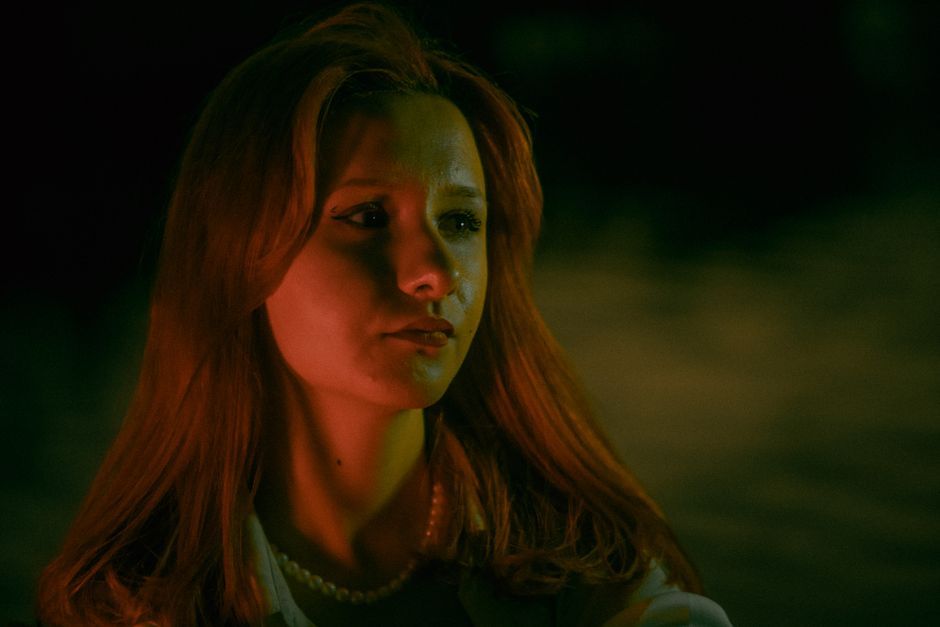
Stock photo for illustration only, not from the actual event
The evolving perception of female anger in modern media reflects a profound cultural transformation. Historically, mainstream media often depicted angry women as unstable or dangerous, as seen in classic thriller characters. Today, however, female rage is increasingly reframed as an understandable and liberating response to systemic pressures, empowering women to establish firm boundaries and demand accountability.
"Women are so good at learning the rules when we know what the rules are. But the rules in the corporate world are totally different."
Yann Dang, Life Coach
In contemporary culture, female artists have prominently documented their frustrations through art. Lily Allen's 2025 album West End Girl detailed the end of her marriage to actor David Harbour, while musicians like Charli XCX, Olivia Rodrigo, and Chappell Roan have released tracks incorporating intense imagery and screams of rage. On screen, the 2023 blockbuster Barbie famously portrayed the iconic doll expressing raw frustration with her supposed perfection.
Despite these positive cultural representations, real-world expressions of female anger often carry social penalties. A 2020 study revealed that women who express anger in professional settings are viewed as less deserving of status and influence, unlike their male peers. Life coach Yann Dang, who counsels senior women in male-dominated industries, argues that breaking through the corporate glass ceiling requires rocking the boat rather than merely pleasing others, emphasizing the importance of harnessing authentic anger effectively.
Furthermore, ongoing threats such as stalking, harassment, and domestic abuse—with violence against women and girls accounting for nearly 20% of all recorded crime in England and Wales—continue to unite women in defiance. Psychologist Dr Tara Brach notes that while anger serves as a vital messenger to protect boundaries and confront injustices, it becomes destructive only when it consumes a person. She advocates using mindfulness techniques like the RAIN strategy to recognize, allow, investigate, and nurture emotional experiences constructively.
Source: BBC Health
Found something wrong in this article? Report an issue with this article
Comments
Leave a Comment