

Accor Gulf Hotel Recovery Diverges Post-War
Accor's Gulf resorts thrive on leisure demand while UAE city hotels cut room rates by 15% to 20% following the U.S.-Iran war.

Stock photo for illustration only, not from the actual event
- Gulf resorts outperform previous year driven by leisure travelers.
- UAE city hotels discounted room rates 15% to 20% in August and September.
- Accor executive Duncan O’Rourke notes major conventions were deferred, not canceled.
- Accor maintains a pipeline of over 190 hotels across the region.
The aftermath of the U.S.-Iran war has sharply divided the hospitality landscape across the Gulf region, creating a stark contrast between thriving coastal resorts and struggling urban properties. While leisure tourism has bounced back vigorously, corporate travel continues to lag behind, altering hotel performance metrics significantly.
Duncan O’Rourke, Accor’s CEO for premium, midscale, and economy brands across the Middle East, Africa, and Asia Pacific, told Skift that the situation in the United Arab Emirates exemplifies this split. Urban hotels in the country were forced to slash room rates by 15% to 20% during August and September to keep occupancy rates within 5% of their targeted forecasts.
O’Rourke emphasized that the downturn in rates is strictly confined to UAE city hotels. In contrast, coastal resorts throughout the Gulf region are commanding higher room rates than they did during the same period last year, demonstrating a faster recovery among vacationers compared to business travelers.
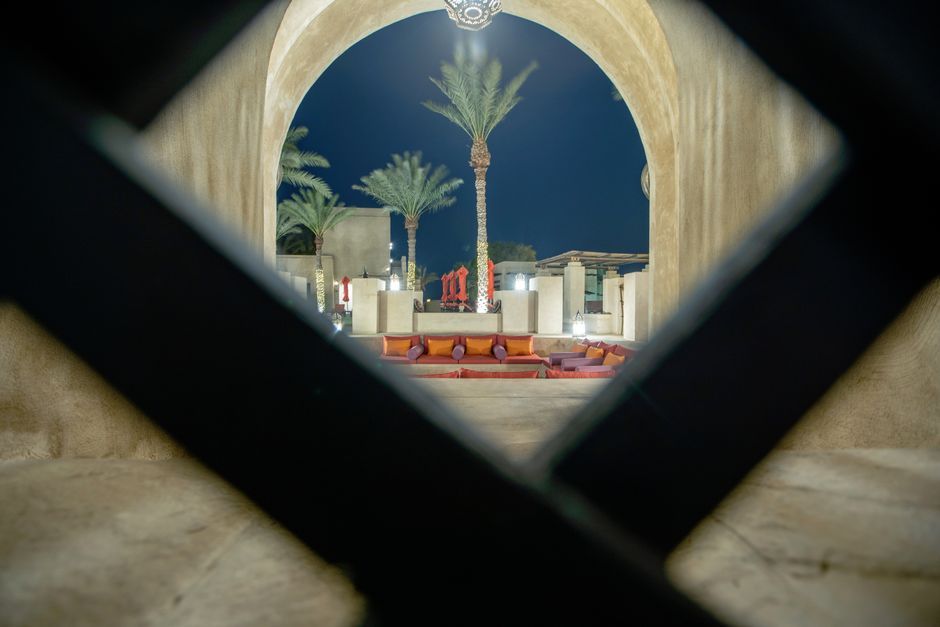
Stock photo for illustration only, not from the actual event
A similar bifurcation is evident in Saudi Arabia. Properties in Jeddah and Riyadh are tracking slightly behind last year due to softer corporate demand. However, the Holy Cities, Egypt, and Abu Dhabi are outperforming expectations, whereas Jordan is experiencing a more gradual recovery.
"It’s the city hotels where we’re down, and that’s just in the UAE. In resorts in the Gulf, the rates are ahead."
Duncan O’Rourke, Accor CEO for Middle East, Africa and Asia Pacific
Despite lower accommodation prices in urban centers, overall guest expenditure has not dropped. O’Rourke noted that food and beverage spending alongside the average length of stay have both increased. Furthermore, large corporate conventions and MICE events have been deferred to later dates rather than canceled altogether.
This two-market recovery highlights the inherent vulnerability of urban hotels heavily dependent on international business travel during geopolitical crises. Major hospitality groups are increasingly compelled to balance their portfolios toward leisure destinations to cushion against regional volatility and shifting corporate travel budgets.
Development momentum remains robust for the hospitality giant. Accor currently operates 380 hotels and over 101,000 keys across the Middle East, Africa, and Turkey, backed by a robust pipeline of more than 190 properties and 44,000 keys, with recent project signings secured in Saudi Arabia, Egypt, Nigeria, and Dubai. Leadership anticipates that the UAE market will fully return to pre-war performance levels by late Q1 or early Q2 of 2027.
Source: Skift
Found something wrong in this article? Report an issue with this article
Comments
Leave a Comment