

Stanford Researchers Discover Cartilage Regeneration Method
Stanford Medicine researchers find that inhibiting the 15-PGDH protein thickens cartilage in mice and triggers new tissue formation in human samples.

Stock photo for illustration only, not from the actual event
- Stanford researchers discover a method to regenerate cartilage by inhibiting the 15-PGDH protein
- Mouse trials show the treatment increases cartilage thickness and prevents post-injury osteoarthritis
- Human tissue samples displayed signs of new cartilage formation after one week of treatment
- The research is still in development and requires further clinical safety testing in humans
Researchers at Stanford Medicine have uncovered a potential breakthrough in treating joint degeneration by targeting the restoration of cartilage damaged by aging or physical trauma. The team focused on inhibiting 15-PGDH, an enzyme and protein whose levels naturally rise as mammals age.
Osteoarthritis occurs when the cartilage acting as a protective cushion in joints gradually wears down, causing bones to grind against each other, leading to severe pain, swelling, and mobility issues. Because natural cartilage lacks the ability to easily self-repair, current medical treatments are largely limited to pain management or total joint replacement surgeries.
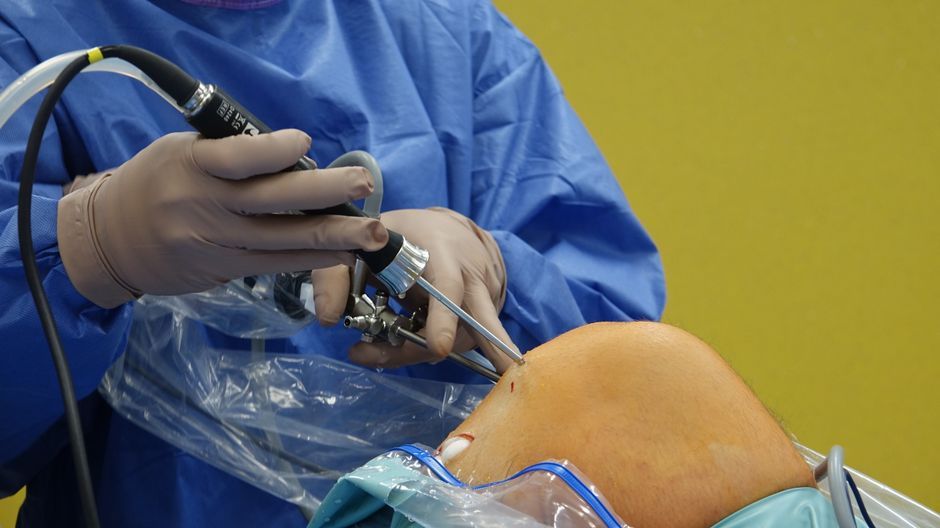
Stock photo for illustration only, not from the actual event
The study revealed that older mice possessed approximately twice the amount of 15-PGDH protein in their knee joints compared to younger mice. Researchers then administered a small-molecule drug to inhibit this protein via systemic injections and direct knee injections. The results demonstrated that knee cartilage in the mice grew significantly thicker, returning close to normal joint conditions by stimulating existing chondrocytes rather than relying on stem cells.
This discovery represents a significant milestone in regenerative medicine, as medical science has historically lacked effective methods to reverse cartilage wear. Joint replacement surgery remains the standard option for advanced patients, making targeted enzyme inhibition a promising alternative that could reduce heavy medical costs and invasive procedures. The primary challenge moving forward, however, will be proving safety and efficacy within complex human biological systems.
Furthermore, the research team tested the method on mice with injuries similar to human anterior cruciate ligament (ACL) tears, which typically carry a high risk of subsequent osteoarthritis. By administering the protein-inhibiting drug twice a week for four weeks post-injury, treated mice showed a substantially lower likelihood of developing osteoarthritis and were able to bear weight and walk much closer to normal patterns.
In addition to animal studies, the researchers tested human cartilage samples obtained from patients undergoing knee replacement surgery. Following a one-week exposure to the drug, tests showed reduced protein activity, decreased cartilage breakdown signals, and the emergence of new articular cartilage formation markers.
Nonetheless, these human tests were conducted on tissue samples outside the living body, meaning direct clinical treatment validation in patients is still required. If upcoming clinical trials confirm both safety and efficacy, researchers hope to develop an oral medication or injection that could help patients avoid knee or hip replacement surgeries in the future.
Source: Techsauce
Found something wrong in this article? Report an issue with this article
Comments
Leave a Comment