

Nikon strips microscopy contest winner over AI use
Nikon disqualifies Dr Ning Xu's winning video in the Small World In Motion contest from Tsinghua University after confirming generative AI usage.

Stock photo for illustration only, not from the actual event
- Nikon disqualifies the winning video from the Small World In Motion contest
- The winning entry belonged to Dr Ning Xu from Tsinghua University in China
- The video depicted cilia structures in the airway of a child with PCD
- Scientists raised concerns on LinkedIn that the footage was not genuine
A prestigious global microscopic imaging competition faced a major controversy after its top-winning entry was found to be generated using artificial intelligence. Nikon officially disqualified the winning video following widespread concerns raised by members of the scientific community.
The annual Small World In Motion contest, which has been running for 15 years, specifically accepts photos and videos captured using powerful microscopes. However, the recent winning submission drew skepticism from various scientists and former competition judges, who lodged complaints on Nikon's LinkedIn page arguing that the footage appeared inauthentic.
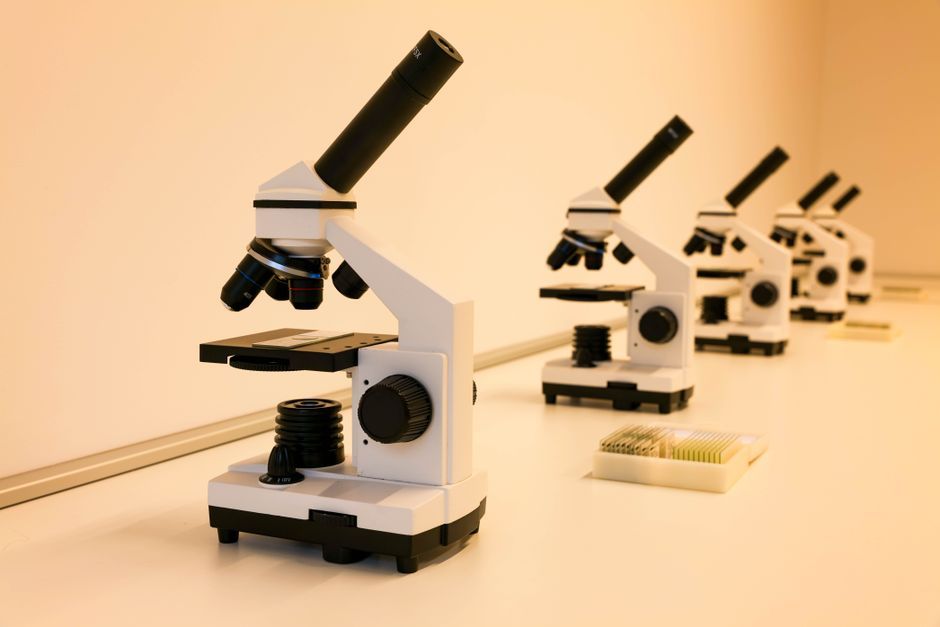
Stock photo for illustration only, not from the actual event
Nikon stated that it reached the decision after thoroughly re-evaluating the video and supporting materials, alongside consulting members of its judging panel. The company concluded that the use of generative AI in composing the video violated the established rules of the competition.
This incident highlights a growing challenge in the scientific community as generative AI tools become sophisticated enough to simulate microscopic imagery convincingly. Nikon's move to re-evaluate its contest procedures underscores the critical importance of maintaining strict authenticity and verifiable data standards in scientific visual media.
The disqualified entry was submitted by Dr Ning Xu from Tsinghua University in China, featuring a short video displaying tiny hair-like structures known as cilia moving within the airway of a child suffering from the respiratory condition PCD. Dr Xu acknowledged using AI during the process but maintained his belief that he acted within the competition rules, while fully cooperating with Nikon's investigation.
"I have been diagnosing PCD for 20 years by examining their cilia waveform, length, cell size and shape"
Dr Ning Xu
Meanwhile, Dr Hirst, lead scientist for the NHS centre for PCD diagnosis at the university, pointed out that the cells and cilia shown in the submission looked entirely unlike those taken from actual PCD patients. He added that the controversy has impacted numerous patients, scientists, doctors, and PCD support networks globally.
Source: BBC Science & Environment
Found something wrong in this article? Report an issue with this article
Comments
Leave a Comment