

Decade-old RAM makes a comeback amid rising memory prices
Persistent RAM price hikes have forced Intel and AMD to revive DDR4 support, rolling out new CPUs and motherboards compatible with older memory standards.

Stock photo for illustration only, not from the actual event
- Severe RAM price hikes are driving Intel and AMD to bring back support for older DDR4 memory.
- Gigabyte announced new processors on the LGA 1700 socket expected to launch in early 2027 with dual-format support.
- A 32GB DDR5 Corsair Vengeance kit costs $620, while the corresponding DDR4 kit is priced at just $260.
The relentless surge in global memory prices is creating massive hurdles for PC enthusiasts looking to upgrade their systems. To counter this hardware bottleneck, major chipmakers are shifting strategies by reviving last-generation DDR4 RAM, allowing consumers to bypass the steep costs associated with modern memory standards.
Both Intel and AMD are developing new processors designed to work with older RAM types, sockets, and chipsets. This move gives users a viable upgrade path that avoids forcing them to purchase expensive new components all at once.
Gigabyte recently revealed that two of its motherboard lines will revive dual-format support for upcoming processors built on Intel’s LGA 1700 socket. Originally introduced in 2021 alongside 12th-gen Alder Lake CPUs, the socket supported both DDR4 and DDR5 before Intel shifted to a DDR5-only approach in 2024. According to Gigabyte, these new LGA 1700 chips are expected to launch in early 2027.
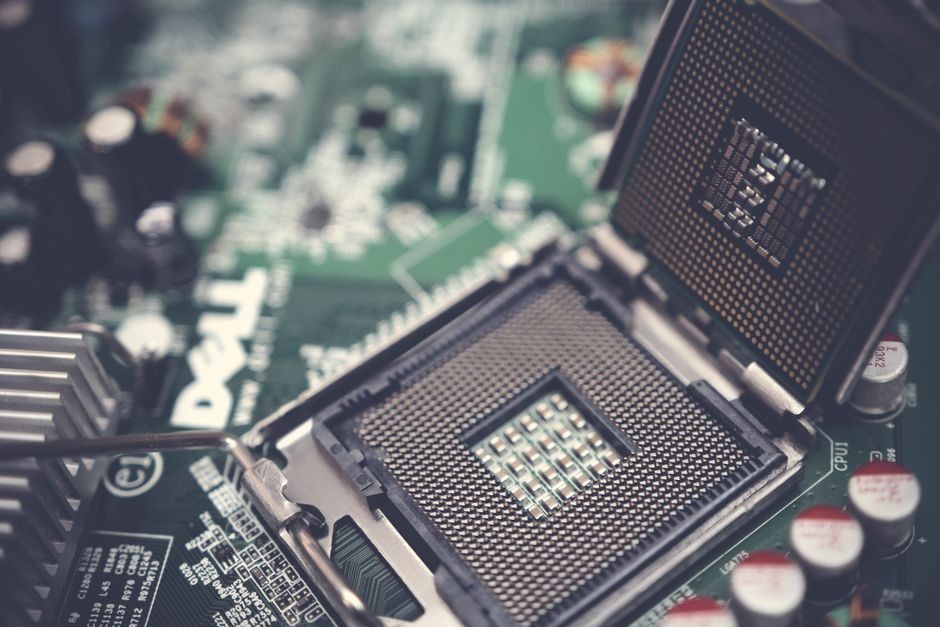
Stock photo for illustration only, not from the actual event
AMD is executing a parallel strategy. In August, Gigabyte also introduced a new series of motherboards for AMD’s legacy, DDR4-compatible AM4 platform, accompanying the tenth-anniversary relaunch of the Ryzen 7 5800X3D processor.
The stark price disparity in the retail market highlights why manufacturers are backtracking. While shopping for a replacement kit, market rates showed that a 32GB Corsair Vengeance DDR5 RAM kit retails for $620, whereas the equivalent DDR4 kit costs only $260. Although DDR5 offers clear advantages in speed and power efficiency, the current price premium makes the older generation far more attractive for budget-conscious builders.
The official return of older sockets and chipsets demonstrates how deep the current memory supply chain constraints run. With industry demand heavily skewed toward enterprise and AI server infrastructure, consumer-grade memory costs have inflated dramatically. Reintroducing legacy compatibility helps stabilize the DIY PC market while memory prices remain elevated.
Industry analysts suggest it could take years for memory prices to normalize. Until then, sticking with or building around legacy DDR4 platforms offers a practical financial cushion for PC users worldwide.
Source: The Verge
Found something wrong in this article? Report an issue with this article
Comments
Leave a Comment