

Trump announces deal for Russian diesel as Zelensky criticises 'gift to Putin'
Donald Trump announces a temporary sanctions waiver on Russian diesel until April 2027 in exchange for a 300,000-tonne oil release, drawing fierce backlash from Ukraine.

Stock photo for illustration only, not from the actual event
- Trump unveils a deal to release hundreds of thousands of tonnes of Russian diesel to lower US fuel prices.
- The US Treasury suspends sanctions on Russian diesel exports until April 7, 2027.
- Vladimir Putin agrees to an initial release of 300,000 tonnes followed by millions more.
- Volodymyr Zelensky criticises the move, calling any sanctions easing an investment in the war.
Donald Trump has announced a major agreement involving the easing of sanctions to allow hundreds of thousands of tonnes of Russian diesel to enter the global market, stating that prices would drop rapidly and in record numbers amid ongoing energy pressures in the US.
Under the proposed deal, the US Treasury is suspending sanctions on Russian diesel exports until April 7, 2027. However, other assets such as those held in American banks remain frozen. Russian President Vladimir Putin has agreed to release 300,000 tonnes of diesel immediately, followed by 500,000 tonnes in November and another million thereafter.
An additional three million tonnes of Russian diesel are slated for delivery within a short period, depending on the operational status of Russian refineries, which have faced previous drone attacks by Ukraine. Trump has expressed strong displeasure over those strikes, blaming them for driving up domestic fuel costs.
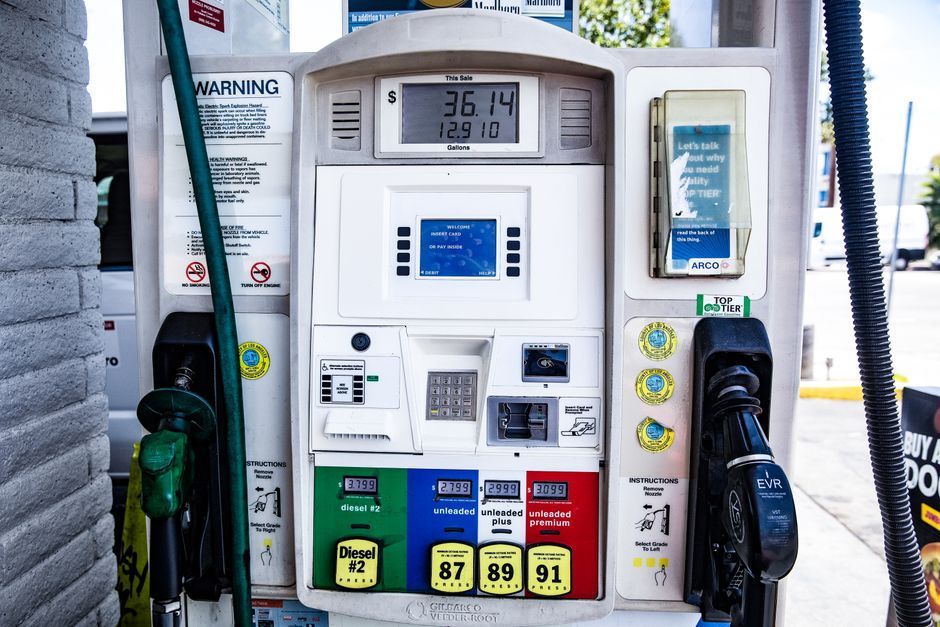
Stock photo for illustration only, not from the actual event
"Allowing Russia to sell petroleum products is an investment in a war that must be ended, not prolonged."
Volodymyr Zelensky
Ukrainian President Volodymyr Zelensky fiercely criticized the decision, stating that any easing of sanctions on Russia plays directly into Moscow's hands and prolongs the conflict. Meanwhile, Kirill Dmitriev, an envoy for Putin, welcomed the agreement on social media, arguing that US-Russia energy cooperation will benefit the global community.
This agreement represents a striking about-face for Washington, arriving shortly after the US Congress enacted legislation authorizing strict tariffs and sanctions on nations importing Russian energy. The move exposes Trump to heavy criticism from European allies and pro-Ukraine lawmakers who argue that Washington is inadvertently funding the Kremlin's military machine, all while the White House scrambles to ease political fallout ahead of the US midterm congressional elections.
Energy prices in the US have soared following the outbreak of conflict in February, driving the average diesel price to $6.28 a gallon—down slightly from a record high of $6.53 recorded in late September. With persistent inflation stinging American consumers and threatening Republican control of Congress, Trump has rolled out a series of measures including inventory releases and tax considerations to curb soaring pump prices.
Source: BBC Business
Found something wrong in this article? Report an issue with this article
Comments
Leave a Comment