

Ranking European Football's Sleeping Giants
BBC Sport ranks European football clubs with rich histories, massive fanbases, and large stadiums that currently languish outside the top flight.

Stock photo for illustration only, not from the actual event
- BBC Sport ranks European football's sleeping giants awaiting a top-flight return
- Selection criteria include club history, heritage, fanbase size, and stadium capacity
- Clubs like Bursaspor, Dynamo Dresden, and Kaiserslautern feature high potential
- Teams with very recent relegations or European success are excluded from the list
European football is filled with prestigious clubs boasting long-standing histories that currently battle in lower divisions. Prominent sports outlet BBC Sport analyzed and selected clubs qualifying as sleeping giants by establishing clear criteria encompassing club history, heritage, dedicated fanbases, and home stadium capacities, highlighting teams with massive potential currently playing outside the top tier.
The selection process goes beyond city sizes alone; although major cities house over one million residents, it does not guarantee success. Several stadiums feature high capacities while their clubs remain in lower tiers, such as Stadio San Nicola of Bari in Italy holding over 30,000 spectators, alongside German sides like Fortuna Dusseldorf, Wolfsburg, and Hannover 96. Furthermore, selected clubs must possess historical success without recent achievements, excluding teams like West Ham United or French side Nantes.
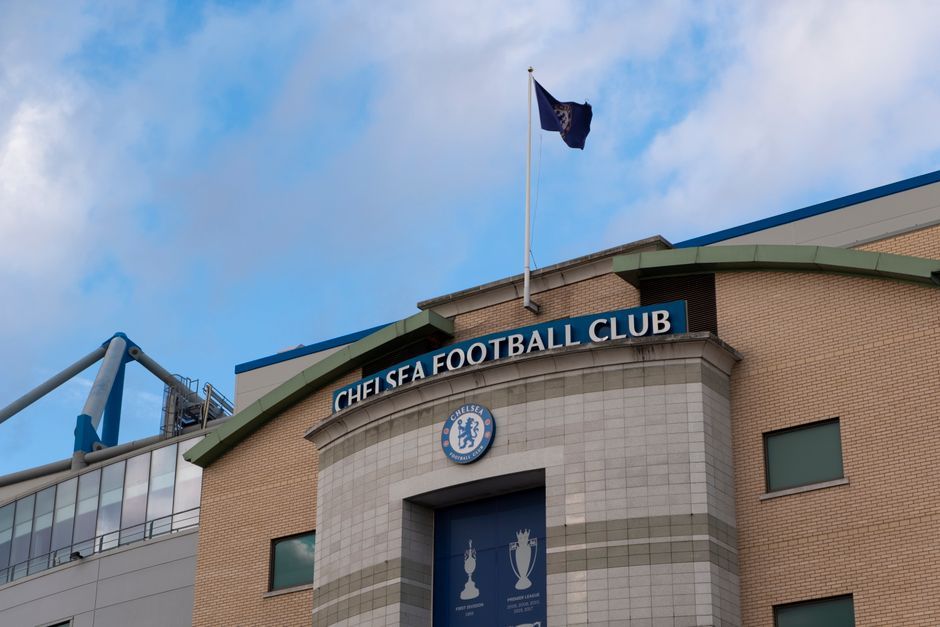
Stock photo for illustration only, not from the actual event
The first notable sleeping giant is Bursaspor from Turkey, which historically broke Istanbul clubs' dominance by winning the top-flight title in the 2009-10 season. Located in Bursa with approximately 2.5 million residents, the club features the unique crocodile-shaped Centennial Ataturk Stadium holding 43,361 seats. Despite dropping to the fourth tier in 2024, the club has climbed the football pyramid aiming to return to the Süper Lig for the first time since 2019.
Another compelling club is Dynamo Dresden from eastern Germany, securing eight DDR-Oberliga titles and seven domestic cups. The club played regularly in European competitions during the 1970s and joined the Bundesliga in 1991 before encountering financial debt and relegation. Their passionate fanbase remains remarkably strong, averaging over 30,000 home attendees in the second tier last term within a city boasting over half a million residents.
Analyzing the sleeping giant phenomenon in European football illustrates that past success and local fanbases alone cannot guarantee survival in modern football economics. These clubs frequently encounter administrative and financial challenges when football structures evolve, meaning a top-flight return requires sustainable investment and grassroots community recovery combined.
Meanwhile, Kaiserslautern from Germany holds the unique distinction of winning the Bundesliga title immediately following promotion in the 1997-98 season under coach Otto Rehhagel. Despite spending nearly 15 years away from the top flight and four seasons in the third tier, they continue averaging crowds above 46,000 at the 49,327-capacity Fritz-Walter-Stadion, nearly causing a major upset when reaching the German Cup final in 2024 before losing to Xabi Alonso's Bayer Leverkusen.
Stock photo for illustration only, not from the actual event
Source: BBC Sport
Found something wrong in this article? Report an issue with this article
Comments
Leave a Comment