

New Brain Scans Reveal Hidden Order in Psychedelic States
Researchers used MRI scans on meditating volunteers with and without psilocybin, discovering an underlying structure beneath apparent neurological chaos.

Stock photo for illustration only, not from the actual event
- Researchers investigate human brain activity under the influence of psilocybin.
- Volunteers underwent MRI scans while meditating in normal and altered states.
- Findings revealed hidden structural order beneath apparent neural chaos.
- The study offers deeper insights into human consciousness and psychedelic mechanisms.
The scientific exploration of human brain function under the influence of psychoactive compounds has continued to evolve, particularly regarding psilocybin, a naturally occurring psychedelic compound found in certain fungi. Scientists have long sought to understand how these substances alter neural activity patterns, leading to a recent study that sheds new light on brain complexity.
In this investigation, researchers enlisted participants to engage in meditation while positioned inside an MRI machine tube. These brain scans were conducted both in a baseline state and after the administration of psilocybin, allowing scientists to draw precise comparisons between the distinct neural states of the volunteers.
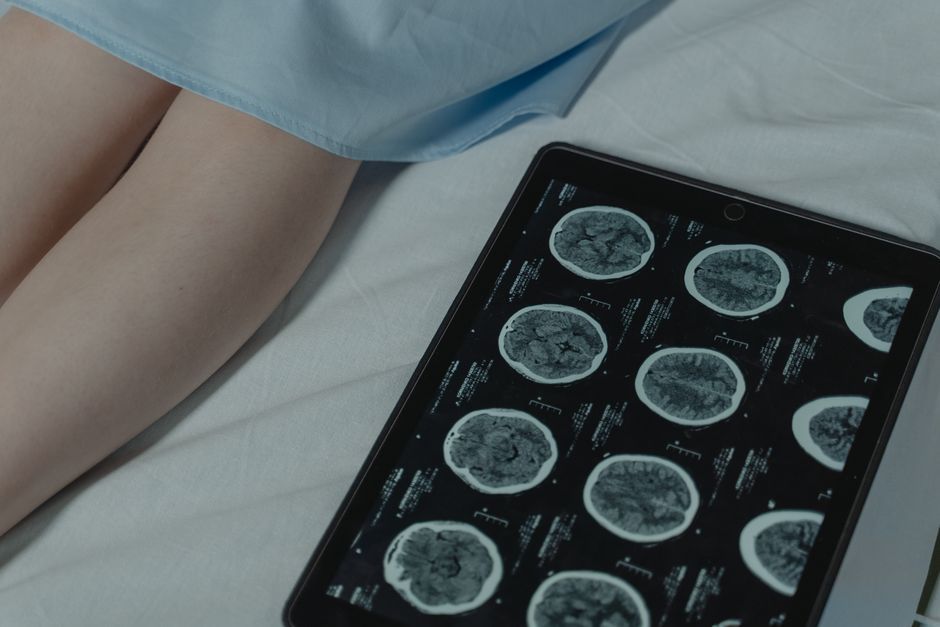
Stock photo for illustration only, not from the actual event
Data gathered from the brain scans initially indicated that the overall neural activity under psilocybin appeared chaotic and unstructured on the surface, resembling a system stripped of conventional control. However, upon deeper inspection of the internal structural connectivity, researchers uncovered a surprising level of underlying order beneath the apparent turmoil.
This discovery marks a significant milestone in neuroscience, shifting traditional perspectives on chemically induced altered states of consciousness. Rather than total neurological disorder, the presence of hidden structural patterns may explain why these compounds hold therapeutic potential for mental health conditions and shift human perception.
These findings not only expand our biological understanding of the human brain but also open new avenues for discussing how advanced medical imaging can merge with the study of deep human consciousness, potentially paving the way for novel therapeutic applications.
Source: Ars Technica
Found something wrong in this article? Report an issue with this article
Comments
Leave a Comment