

Exploring 3D Architecture in Peter Zumthor Documentary
Director Wim Wenders spent 14 years capturing Peter Zumthor's architectural works in 3D, spanning from St. Benedict's Chapel to the LACMA galleries.

Stock photo for illustration only, not from the actual event
- Wim Wenders spent 14 years filming the documentary From Inside Out
- The film captures the architectural works of Peter Zumthor in 3D
- Features projects ranging from St. Benedict's Chapel to LACMA
- Focuses on delivering a sensual experience rather than formal instruction
German filmmaker Wim Wenders, a four-time Academy Award-nominated director known for works like Paris, Texas in 1984 and Buena Vista Social Club in 1999, has spent approximately 14 years developing the documentary film From Inside Out – The Architecture of Peter Zumthor. The journey began back in 2012 when he created his first shorter documentary about the Swiss architect, Notes from a Day in the Life of an Architect, which ignited a decade-long exploration of his portfolio.
Following Zumthor’s career trajectory, the documentary takes viewers from early creations like St. Benedict’s Chapel perched on a hill in Sumvitg, Switzerland, all the way to the newly opened David Geffen Galleries at LACMA. Born in Basel and continuing his practice from an alpine atelier in Haldenstein, Switzerland, Zumthor once remarked that everyone comes from houses, a sentiment that Wenders uses to explore the intimate corners of his work through visitors, inhabitants, and craftspeople.
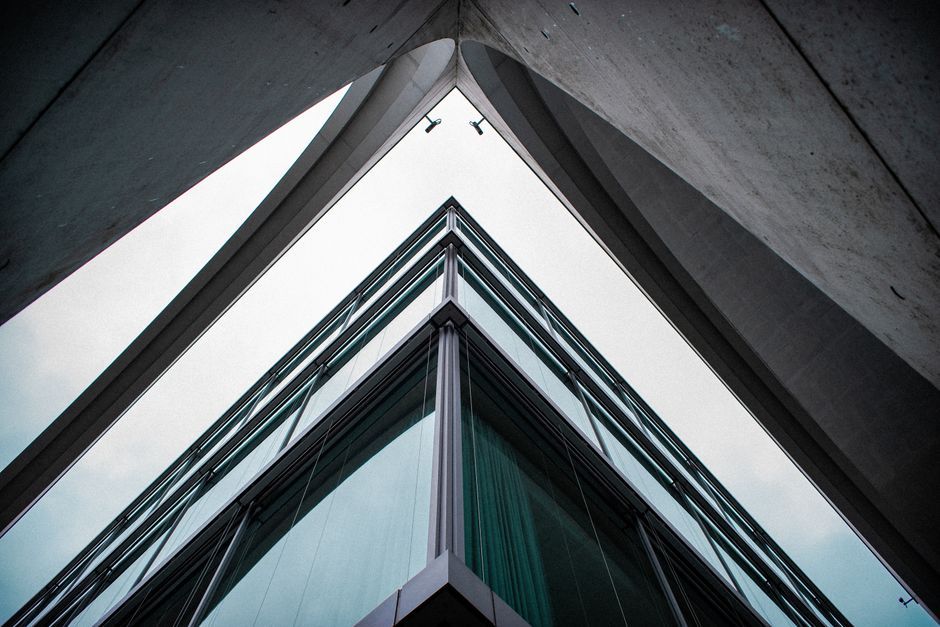
Stock photo for illustration only, not from the actual event
Zumthor’s early architectural works in Switzerland are characterized by an austere presence on the landscape, utilizing wooden beams and slabs of Vals quartzite. Featured projects include the Shelter for Roman Archaeological Ruins in Chur, Switzerland, built between 1985 and 1986, and the Gugalun House in Versam, Switzerland, constructed from 1990 to 1994.
The dedication of a legendary director like Wim Wenders spending 14 years focusing on a single architect highlights the profound intersection between cinema and architecture, as both mediums shape space and human experience over time. Utilizing 3D film technology in this documentary serves as an essential tool to let viewers truly feel the scale, materials, and lighting of Zumthor's structures as if standing on-site.
In the film, Wenders notes that the production does not aim to teach viewers anything didactic, but rather offers a sensual experience to absorb basic architectural truths, guided by Peter Zumthor himself. The documentary also explores sacred spaces created by Zumthor, ranging from the mid-80s St. Benedict’s Chapel to the Bruder Klaus Field Chapel built in Wachendorf, Germany, between 2001 and 2007.
Furthermore, the film examines Zumthor's cultural spaces and museums across the globe. These include the Bregenz Art Museum in Austria, featuring a diffused glass facade that absorbs changing sky and lake light, and the Kolumba Art Museum in Cologne, Germany, where Zumthor incorporated existing church ruins into a modern museum built from the late 80s through the 90s, alongside the ongoing expansion at the Fondation Beyeler in Riehen, Switzerland.
Source: designboom
Found something wrong in this article? Report an issue with this article
Comments
Leave a Comment