

War Shakes Up Saudi Tourism Economics and Aviation Goals
Delta Air Lines prepares for its Atlanta-Riyadh nonstop flight on October 23 amid regional tensions after the deadly King Khalid International Airport attack.

Stock photo for illustration only, not from the actual event
- Delta Air Lines plans to launch Atlanta-Riyadh nonstop flights on October 23 despite recent airport attacks
- Religious tourism remains resilient with Almosafer reporting a 43% surge in Hajj and Umrah bookings
- Flynas cut capacity by 15% and posted a net loss of 241 million riyals or $64 million
- Major international events like Routes World have relocated their conferences out of Riyadh
Ongoing regional conflicts are raising the financial barriers for Saudi Arabia as the nation works to attract the international visitors required to meet its ambitious tourism goals. The shifting security landscape is introducing unprecedented pressures into the kingdom's aviation and hospitality sectors.
Delta Air Lines is scheduled to launch the first-ever nonstop service by a U.S. carrier from Atlanta to Riyadh on October 23. However, this milestone arrives just days after an October 10 strike on King Khalid International Airport killed at least 12 people and injured more than 300, according to Saudi authorities, forcing yet another suspension of airport operations. Iran-backed Houthi forces in Yemen claimed responsibility for earlier attacks on the facility, and Delta has not announced any postponement as of this writing.
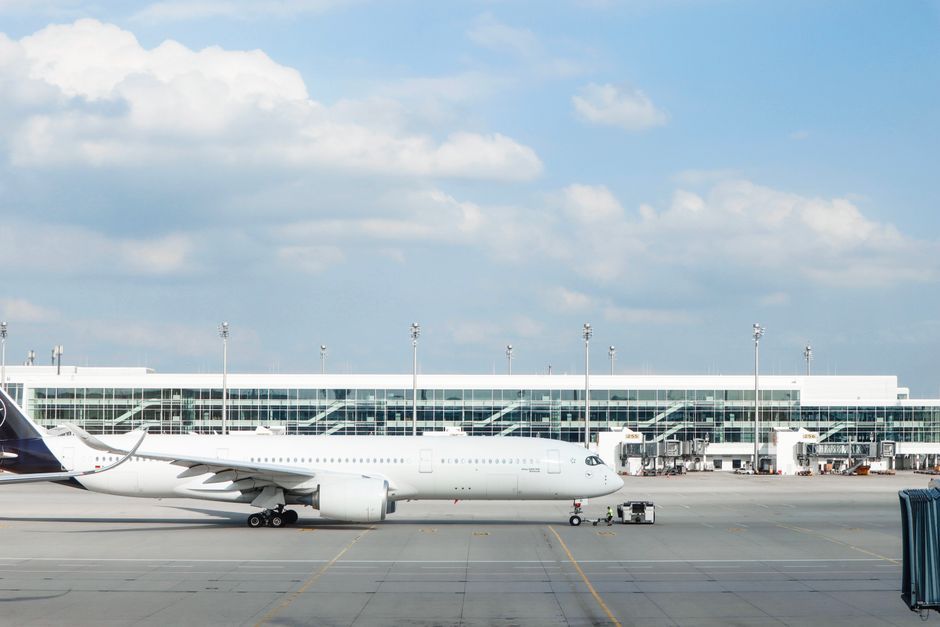
Stock photo for illustration only, not from the actual event
In August, Delta offered one-way award seats starting at just 15,000 miles to introduce travelers to Riyadh and stimulate early bookings. While this aggressive promotion does not prove the route was failing, Virgin Atlantic—which is 49% owned by Delta—had already cancelled its London-Riyadh service in April, citing conflict risks, safety assessments, and reliable schedule maintenance challenges.
The disruption is unevenly distributed across the Saudi travel market. Religious travel is holding firm while business travel declines, as evidenced by Almosafer's 43% increase in Hajj and Umrah booking values during the second quarter, contrasted with a 25% drop in corporate and government bookings. Meanwhile, low-cost carrier Flynas cut its capacity by 15%, carried 27% fewer passengers, and posted a net loss of SAR 241 million ($64 million) as its seat-kilometer unit costs rose by 48%.
"The war is changing the economics of Saudi tourism."
Skift
Major events are also feeling the impact of these operational hurdles. Routes World relocated its October conference from Riyadh to Frankfurt, and World Petroleum Congress organizers advised delegates to fly into Dammam and complete the journey by road instead.
From an analytical perspective, these developments highlight the vulnerabilities in Saudi Arabia's 2030 tourism strategy. As geopolitical tensions inflate operational costs and prompt foreign carriers to reconsider routes, the heavy reliance on state backing through the Public Investment Fund (PIF) faces a rigorous test. Ensuring long-term self-sustainability for these massive aviation and hospitality projects will require stringent fiscal discipline.
Despite these mounting headwinds, Saudi Arabia starts from a solid baseline, having recorded 93.3 million domestic tourists, 29.3 million international visitors, and 140.9 million airport passengers in 2025, against its ambitious 330 million annual visitor target by 2030. The Public Investment Fund's strategy for 2026 through 2030 emphasizes increased financial discipline and attention to returns, casting doubt on how much of the new long-haul aviation, event, and hotel sectors can truly pay for themselves without ongoing state support.
Source: Skift
Found something wrong in this article? Report an issue with this article
Comments
Leave a Comment