

DUP has power to remove Michelle O'Neill, says Lockhart
Carla Lockhart MP argues her party must take action following the Drumcree parading dispute ban on Garvaghy Road in Northern Ireland.

Stock photo for illustration only, not from the actual event
- DUP MP Carla Lockhart insists her party holds the option to remove Michelle O'Neill as first minister.
- Secretary of State Sir Chris Bryant banned the Portadown District Lodge from marching down Garvaghy Road.
- PSNI police issued interview letters to several Sinn Féin politicians, including O'Neill and O'Dowd, over the protests.
Political tensions in Northern Ireland have intensified after DUP Member of Parliament Carla Lockhart stated that her party has the capacity and options to remove Michelle O'Neill from her position as first minister amid an escalating parading dispute.
The controversy follows a decision by Secretary of State Sir Chris Bryant to ban the Portadown District Lodge from marching down the predominantly nationalist Garvaghy Road. The decision, announced on Friday, came after advice from PSNI Chief Constable that allowing the procession could spark serious disorder and unrest, with Bryant emphasizing the move was made in the best interests of peace.
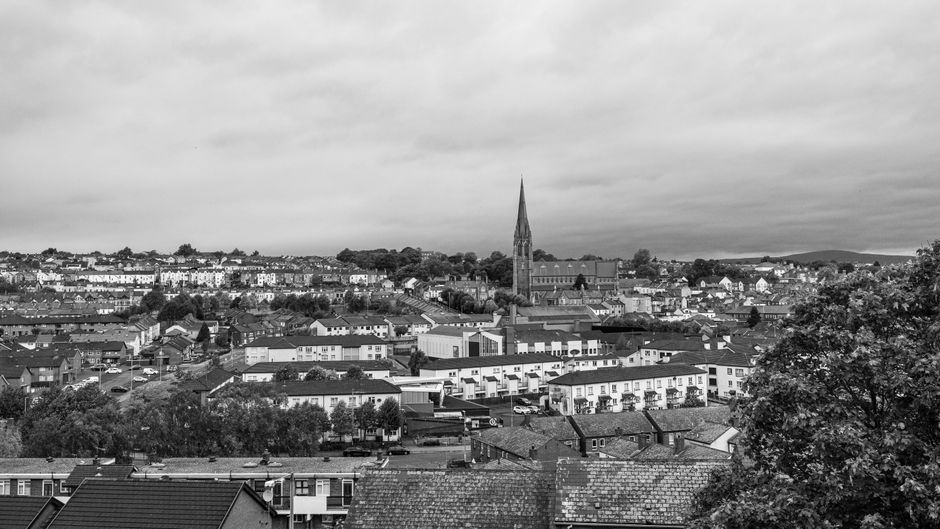
Stock photo for illustration only, not from the actual event
The ban has drawn sharp criticism from unionists. Speaking outside Drumcree Church on Saturday, Lockhart stated that her local constituents are furious, defending the 35 Orangemen from Portadown District Lodge who she noted had stood lawfully on Drumcree hill for two weeks prior to police actions.
"You can not continue to engage with someone who is so blatant in her disregard and disdain for a large section of this community."
Carla Lockhart
Sinn Féin, which shares power with the DUP in the Northern Ireland Executive, saw several of its high-profile politicians—including Finance Minister John O'Dowd and Michelle O'Neill—join local residents in protests. Both confirmed they received letters from the Police Service of Northern Ireland (PSNI) inviting them for interviews regarding the protests.
The Garvaghy Road and Drumcree parading dispute represents one of the most deeply rooted sectarian flashpoints in Northern Ireland's modern history. The clash between nationalist residents opposing traditional loyalist marches through their area and unionist groups defending their cultural heritage frequently tests the fragility of the power-sharing executive established under historical peace accords. The DUP's internal debate over whether to challenge O'Neill's leadership highlights the severe structural strain facing local governance.
While DUP leader Gavin Robinson acknowledged that Lockhart "is right that the options are there," he stopped short of confirming whether his party would trigger the collapse of the power-sharing executive. Under current rules, the DUP could remove the first minister if the deputy first minister—held by Emma Little-Pengelly—were to resign, though that scenario remains unlikely.
Meanwhile, O'Dowd appealed for calm and responsible leadership from DUP representatives, warning against attempts to criminalize the local community. On the legal front, a High Court judge ruled on Saturday that an appeal by Orangemen against the parading ban did not constitute an emergency case and adjourned the hearing until Monday.
Source: BBC Politics
Found something wrong in this article? Report an issue with this article
Comments
Leave a Comment