

Childhood Cancer Symptoms: Key Signs Parents Should Know
Cancer is the leading cause of disease death in under-15s in the UK, yet under a third of parents feel confident spotting symptoms.

Stock photo for illustration only, not from the actual event
- Cancer is the leading cause of disease death among children under 15 in the UK.
- About 1,900 children aged 0-14 are diagnosed with cancer annually in the UK.
- Just under a third of parents feel confident recognizing early cancer symptoms.
- Survival rates have improved, with 8 in 10 children surviving 5 to 10 years post-diagnosis.
Although considered rare, cancer remains the leading cause of death from disease among children under the age of 15 in the United Kingdom. According to Cancer Research UK, approximately 1,900 children aged 0 to 14 are diagnosed with cancer each year. Despite these figures, just under a third of parents report feeling confident in their ability to recognize the warning signs of the disease.
Initial symptoms of childhood cancer are frequently subtle and easily overlooked, often resembling common childhood ailments. For instance, thirteen-year-old Amelia Carroll, who is currently in remission from acute myeloid leukaemia (AML), experienced early signs that her mother Gemma initially attributed to post-school fatigue and general unfitness after noticing mild exercise breathlessness.
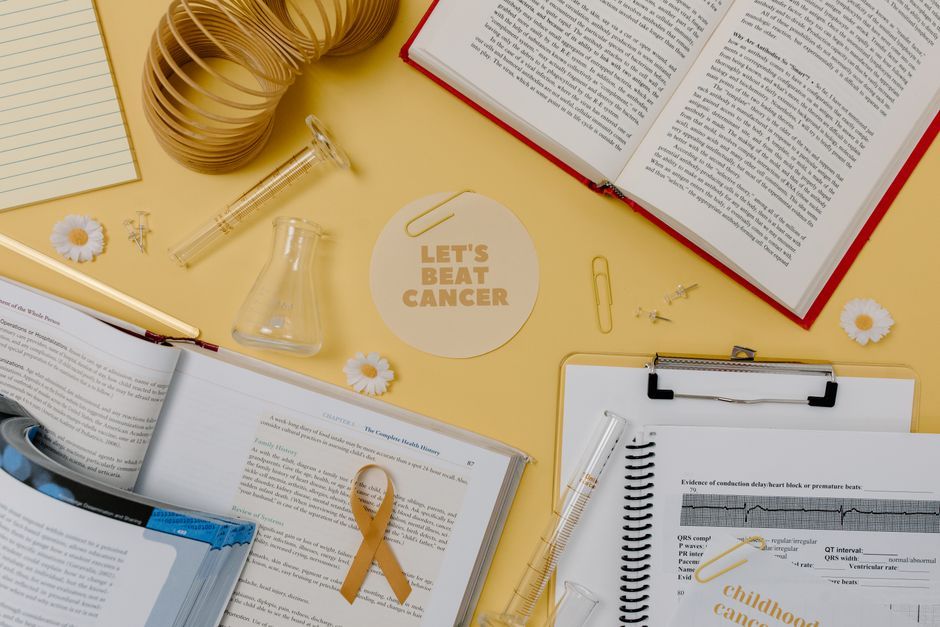
Stock photo for illustration only, not from the actual event
It was only when Amelia began presenting with unusual bruises that Gemma realized something was seriously wrong, leading to a leukaemia diagnosis within just 10 days. Prof Bob Phillips, a pediatric oncologist, emphasizes that it is crucial for parents to watch out for persistent symptom clusters that continue to worsen or increase in size over time.
Experts from the Children and Young People's Cancer Association (CCLC) are urging the public to support a national campaign aimed at raising awareness and improving diagnosis times. The initiative promotes a 'rule-of-three' guideline for medical professionals to consider referrals if a child exhibits:
- Three persistent symptoms
- Three visits to a doctor regarding the issue
- Three weeks of unexplained symptoms
This approach aims to fast-track referrals because cancer in children develops significantly faster than in adults due to rapid bodily growth. Amelia's journey began with a single red bruise that seemingly appeared out of nowhere, followed three days later by sore, raised bruises along both shins before doctors confirmed her diagnosis and admitted her for hospital treatment.
"It shows you there is hope"
Football coach on anorexia recovery journey
Early detection of childhood cancer is critical because pediatric tumors often proliferate much more rapidly than adult cancers. Educating parents and caregivers on recognizing persistent lumps, unusual bruising, and unexplained fatigue helps facilitate earlier medical consultations. This not only improves long-term survival prospects but can also minimize the need for overly intensive medical treatments during subsequent therapeutic stages.
In the case of Jake Swinscoe, who passed away from soft tissue cancer at age 13, initial symptoms such as a stuffy nose and watery eyes were initially dismissed as hayfever, while exhaustion was attributed to end-of-term tiredness. A nasal mass was eventually discovered, leading to a diagnosis of soft tissue sarcoma. Despite completing nine rounds of chemotherapy and proton beam radiation, Jake ultimately opted out of further treatment after suffering severe side effects and seizures, passing away peacefully at home on April 26, 2024.
Despite these heartbreaking cases, experts note that childhood cancer survival rates in the UK now exceed 80%, and faster diagnoses can lead to less intensive treatments. Around half of diagnosed children across the UK receive their diagnosis within two weeks. Meanwhile, Cancer Research UK data indicates that over 400,000 new cancer cases are diagnosed annually nationwide, with only 54% meeting the NHS 28-day target window according to the British Medical Journal (BMJ).
Source: BBC Health
Found something wrong in this article? Report an issue with this article
Comments
Leave a Comment