

Eight Orangutans Released Back into Borneo Forest
Eight orangutans, including three mothers and their offspring, have been released into a reserve in Borneo, Indonesia, after being rescued from severe wildfires.

Stock photo for illustration only, not from the actual event
- Eight orangutans released into a natural reserve in Borneo
- Indonesian authorities and Yiari rescued 46 orangutans from summer wildfires
- Bornean and Sumatran orangutans drop to around 104,000 remaining individuals
- El Niño and severe dry season conditions intensified habitat-destroying fires
A group of eight orangutans has been successfully released back into the wild on the island of Borneo, Indonesia, following a period in captivity after their natural habitats were severely threatened by devastating wildfires over the summer.
International Animal Rescue Indonesia (Yiari) alongside the forestry ministry reported that three mothers, their three daughters, and two adult males were freed into a reserve located in the west of the island on Friday. Indonesian authorities managed to rescue a total of 46 orangutans from fires during August and September. While wildfires are a regular occurrence during the country's dry season, this year's blazes intensified significantly.
Conservation group WWF notes that the apes are critically endangered, with approximately 104,000 orangutans remaining in Borneo and Sumatra, a sharp decline from over 230,000 a century ago. Although Indonesia experiences seasonal wildfires every summer, this year's events were worsened by the El Niño ocean-warming phenomenon, which created volatile and intense weather patterns.
"Relocating the eight orangutans to the reserve was a necessary step when their habitats became unsafe."
Karmele Llano Sanchez, Yiari CEO
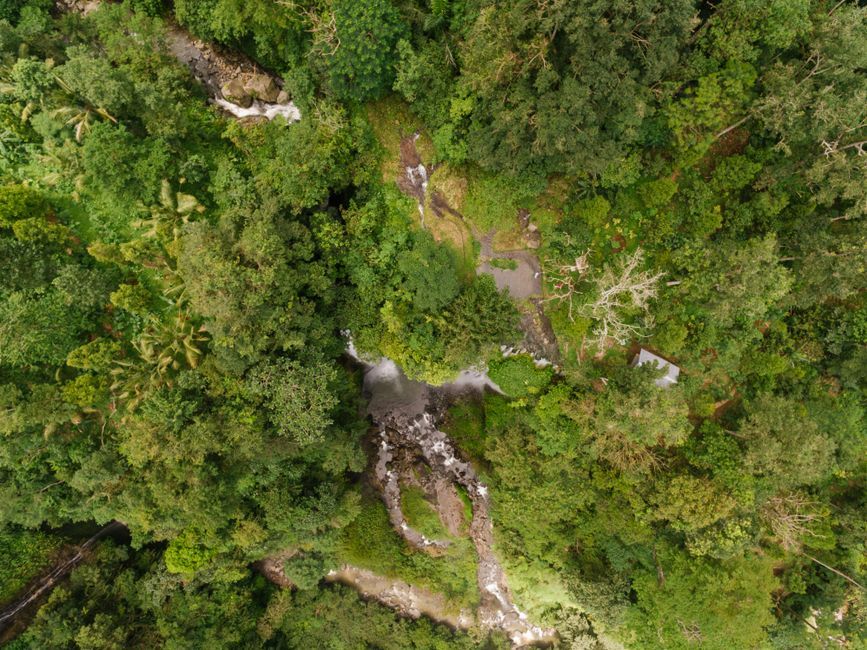
Stock photo for illustration only, not from the actual event
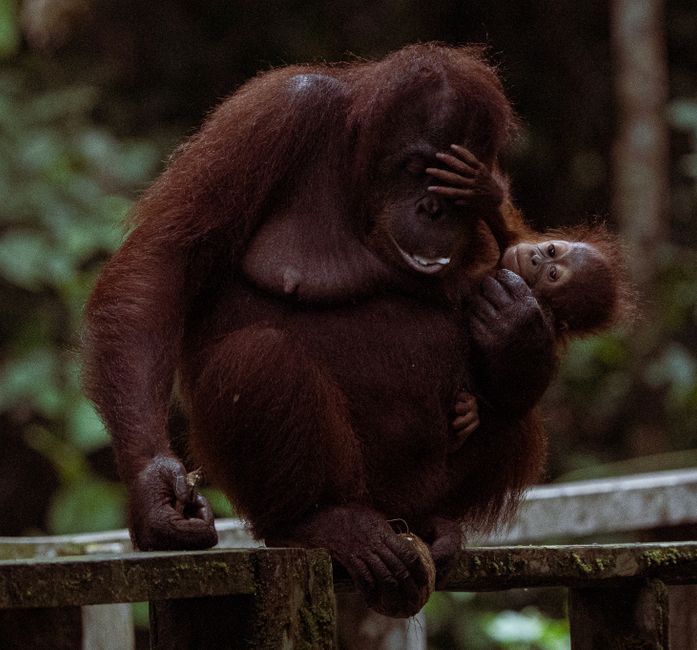
Stock photo for illustration only, not from the actual event
According to Yiari, one of the rescued groups included Mama Nopi and her offspring Nopi, Naufal, and Nopan, who had been surviving in a coconut and rubber plantation before being rescued in early September. The fires had incinerated surrounding forestry, cutting off their food supply and forcing them closer to human settlements. Other rescued groups, such as Mama Lifa and her child Lifa, as well as Mama Man and her baby, were found trapped in isolated forest patches surrounded by oil palm plantations before being evacuated in September due to encroaching blazes.
The severity of Indonesia's wildfire crisis is driven not only by natural climate phenomena like El Niño but also by large-scale land clearance for agricultural plantations, replacing resilient natural forests with vulnerable vegetation. Relocating displaced wildlife to well-connected reserves with abundant natural resources represents a critical intervention to mitigate immediate extinction risks amid accelerating climate pressures.
The chosen release site was selected because it provides accessible food and water resources while connecting directly to other forested areas. Last month, the International Union for Conservation of Nature warned that fires were burning across habitats holding 52% of Borneo's total orangutan population, warning that large portions of their natural home could become inhospitable if climate change continues unabated.
Source: BBC Science & Environment
Found something wrong in this article? Report an issue with this article
Comments
Leave a Comment