

US Ranchers Battle Soaring Costs and Trump Policies
Nebraska ranchers face wildfires, high steel and diesel prices, and duty-free beef imports, prompting some to rethink their political loyalties.

Stock photo for illustration only, not from the actual event
- Nebraska ranchers grapple with soaring steel and diesel costs driven by tariffs and war
- The Trump administration announced plans to import 300,000 metric tons of duty-free foreign beef
- Producers in traditionally Republican areas are reassessing their political allegiances
- Many cattle farmers are losing hundreds of dollars per head amid a market downswing
Agricultural operators across the United States are finding themselves squeezed from multiple directions, and for Yvette Mannon, a rancher in Nebraska who purchased her property in 2002, the year has been exceptionally punishing. Back in April, a wildfire tore through the region, destroying 1,600 grazing acres and 21 kilometers of fencing along her land, though her herd of 300 cattle managed to survive the disaster.
Replacing the destroyed infrastructure proved to be a massive financial hurdle. With steel prices hovering near multi-year highs due to tariffs imposed under President Donald Trump, rebuilding the fences meant incurring expenses exceeding $300,000, averaging $4.89 per foot. Compounding the burden, the loss of grazing land forced Mannon to deploy a tractor daily to deliver hay, just as diesel prices surged over 40% compared to the previous year following the outbreak of the Iran War.
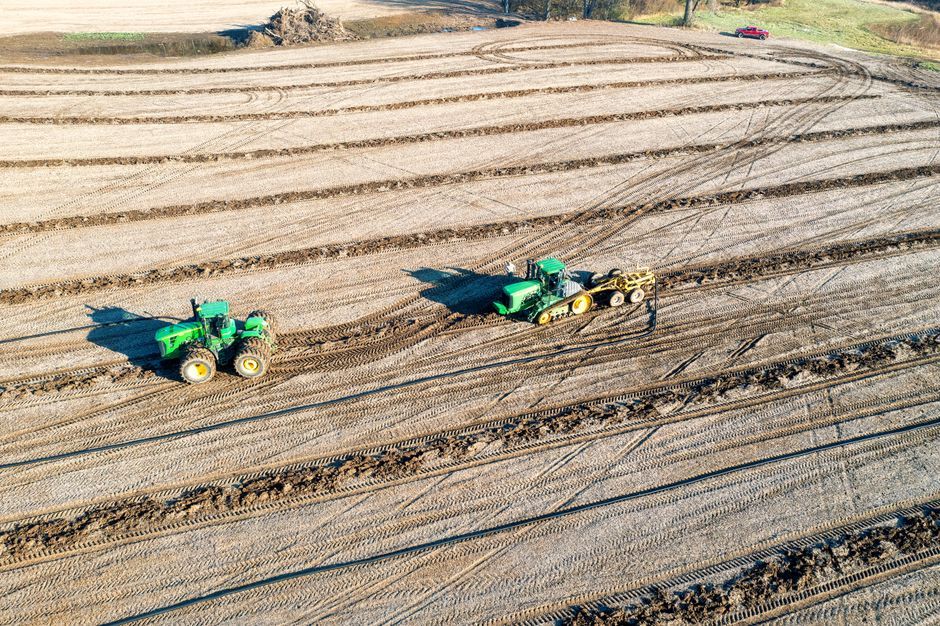
Stock photo for illustration only, not from the actual event
The situation intensified further in August when the administration revealed plans to import 300,000 metric tons of duty-free foreign beef in an effort to drive down consumer prices. The timing could not have been worse, landing right ahead of the September-to-November window when the majority of American calves are typically weaned and sold to market.
"It just felt like a betrayal."
Yvette Mannon
Farmers and ranchers across the country argue that successive challenges—including persistent drought affecting crop yields and historically low national cattle herds—have been heavily aggravated by federal policies. This mounting frustration has begun to shift sentiments in Nebraska, a state that overwhelmingly supported Donald Trump in the previous election, leading some rural voters to question their long-standing political ties.
The political friction in rural farming states like Nebraska highlights the fragile balance between traditional party loyalty and economic survival. When macroeconomic shifts, trade tariffs, and geopolitical conflicts rapidly inflate input costs for agriculture, grassroots support often faces immediate pressure, opening opportunities for alternative political contenders.
According to James Mitchell, an assistant professor and agricultural economist at the University of Arkansas, cattle markets operate within natural 10-to-12-year cycles. While the industry recently enjoyed a highly profitable stretch driven by low supply and high demand, the market has officially entered a cyclical downswing, leaving many producers losing hundreds of dollars per head of cattle.
Near Lexington, Nebraska, 45-year-old Jake Wolfinger manages a sophisticated 5,500-head feedlot operation with his wife. Despite their hard work, factors like the Iran War, equipment tariffs, and foreign beef imports were never part of their financial forecasting, with heavy machinery burning through 400 gallons of diesel daily. Similar concerns are echoed forty miles away in Callaway by 54-year-old Duane Kimball, who notes that daily operational upcharges are forcing many in the community back to banks to expand their lines of credit.
Source: BBC Science & Environment
Found something wrong in this article? Report an issue with this article
Comments
Leave a Comment