

Unraveling the Mystery of Troy: Mythical City of War in The Odyssey
Tracing Homeric epics through archaeological discoveries that prove Troy existed beyond mere legend.
Stock photo for illustration only, not from the actual event
- Homer's epics The Odyssey and The Iliad inspired the centuries-long search for Troy.
- Archaeologists discovered ancient city ruins at Hisarlik hill in Turkey in 1870.
- The site features multiple overlapping layers spanning over 4,000 years of continuous settlement.
- UNESCO designated the archaeological site of Troy as a World Heritage site in 1998.
While the epic poems of ancient Greek poet Homer are filled with gods, heroes, and supernatural events, over 150 years of archaeological discoveries have helped answer a long-standing question, establishing Troy as a globally recognized archaeological site.
Troy is a prominent city featured in ancient Greek literature, particularly in The Iliad, which recounts the Trojan War, and The Odyssey, which details the long journey home of the hero Odysseus after the war ended. Despite mythological elements, Homer's work inspired explorers and archaeologists for centuries, leading experts to believe that Troy truly existed in modern-day Turkey.
Stock photo for illustration only, not from the actual event
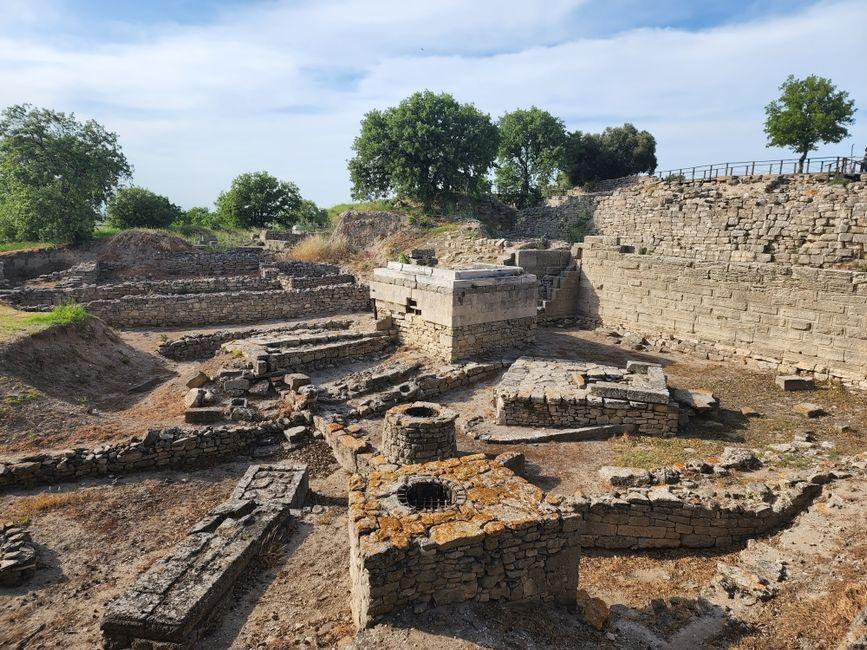
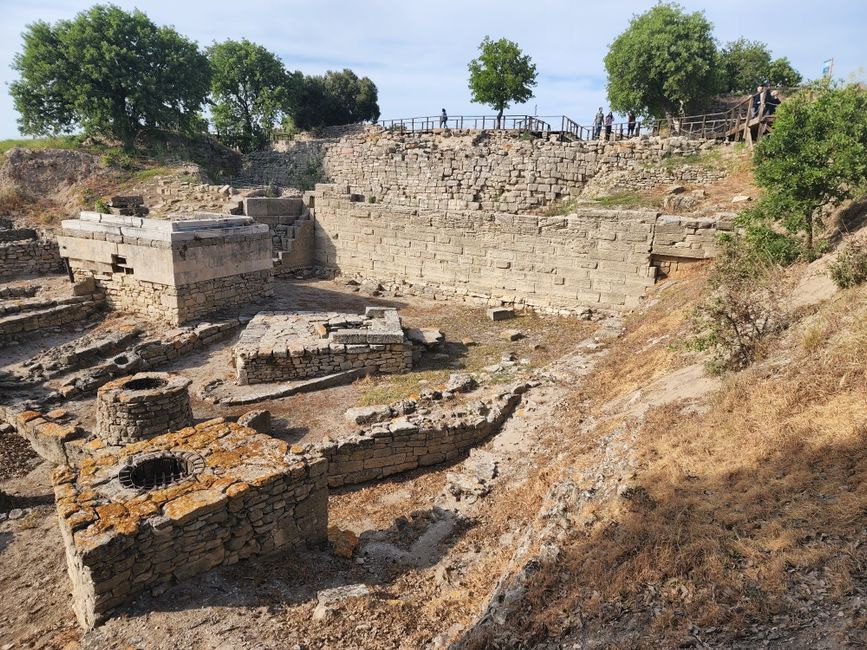
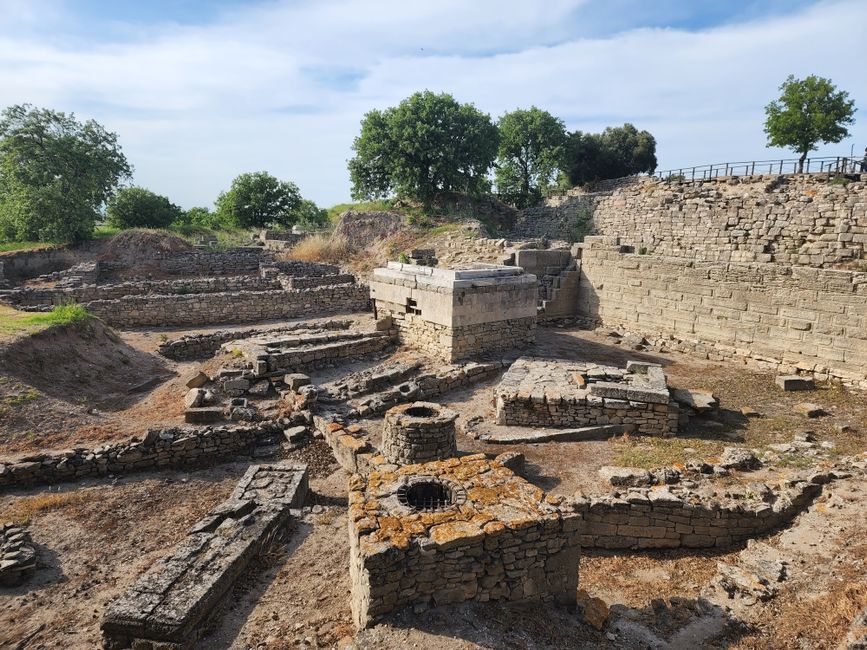
A major turning point occurred in 1870 with excavations at the Hisarlik hill in northwestern Turkey, revealing ruins of an ancient city built in multiple overlapping layers. Archaeologists uncovered city walls, buildings, and evidence of continuous habitation over thousands of years, strategically located near the Dardanelles strait for trade and navigation, matching literary descriptions.
The discovery of multiple superimposed city layers at Hisarlik indicates that Troy was not just a single mythical settlement, but a site repeatedly rebuilt over centuries. This stratification allows modern archaeologists to trace the evolution of civilizations from the Bronze Age through the Roman era.
Today, most scholars accept that the ruins at Hisarlik represent legendary Troy, located in the Çanakkale province of northwestern Turkey. UNESCO highlights the site as crucial for understanding interactions between Mediterranean and Anatolian civilizations.
"Odysseus, King of Ithaca, spent years trying to journey home after fighting in the Trojan War."
The Odyssey Epic
Stock photo for illustration only, not from the actual event
Public fascination persists, with projects like Christopher Nolan's upcoming film The Odyssey (2026) focusing on the aftermath of the Trojan War and the arduous trials faced by Odysseus on his voyage home.
Source: Thairath Lifestyle
Found something wrong in this article? Report an issue with this article
Comments
Leave a Comment