

Denmark National Model: Scaling Local Expertise to Global Markets
Exploring how Denmark with a population of 6 million leverages design roots and public policy to turn local expertise into globally demanded solutions.

Stock photo for illustration only, not from the actual event
- Denmark with 6 million people leads globally in design and sustainable urban development
- Roots trace back to the founding of the Royal Danish Academy of Fine Arts in 1754
- Hans J. Wegner's The Chair became a global design icon in 1960
- Strong domestic demand serves as a testing ground for international industry standards
In business and national development, a recurring debate focuses on how countries with small domestic markets can build international competitiveness. Looking at Denmark, a small northern European nation with a population of around 6 million, reveals a compelling model of transforming internal expertise into globally sought-after solutions.
The foundation dates back to 1754 with the establishment of the Royal Danish Academy of Fine Arts, linking architectural education deeply with art. This instilled a long-standing philosophy among Danish designers that spaces and buildings must balance aesthetic beauty, functional utility, and human quality of life.
Following World War II, the Danish government prioritized housing, schools, hospitals, and infrastructure accessible to all citizens, integrating good design into everyday life from home furniture to public spaces.
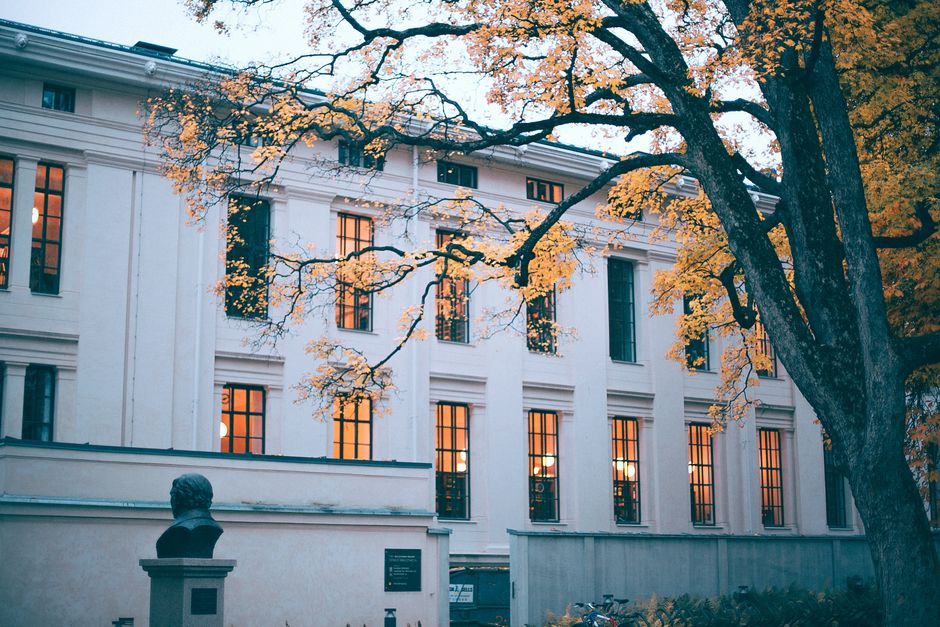
Stock photo for illustration only, not from the actual event
A prime example is Danish Furniture Design. In 1960, The Chair by Hans J. Wegner attained global icon status after being featured in the U.S. presidential debate between John F. Kennedy and Richard Nixon, alongside retail partnerships with FDB making quality design accessible to the general public.
"Good design must be a part of the quality of life for everyone in society."
Danish Collaborative Design Philosophy
Another crucial pillar is the common good concept initiated by 19th-century thinker N.F.S. Grundtvig through the Folk High School movement. This provided rural citizens access to education and civic participation, continuously developing a highly capable workforce.
Denmark's ability to export its mindset and solutions worldwide demonstrates that national competitiveness relies less on economic scale or natural resources and more on building robust ecosystems spanning education, public standards, and domestic innovation testing grounds.

Stock photo for illustration only, not from the actual event
Source: Techsauce
Found something wrong in this article? Report an issue with this article
Comments
Leave a Comment