

Thavee Urges Suspension of Rubber Tree Felling in Thung Yai
Pol. Col. Thavee Sodsong calls on five Thai government agencies to halt rubber tree felling in Krung Yhan forest, Nakhon Si Thammarat, affecting 66 rubber tappers.

Stock photo for illustration only, not from the actual event
- Pol. Col. Thavee Sodsong urged Thai authorities to suspend rubber tree felling at the Rubber Authority of Thailand plantation in Thung Yai.
- The operation threatens 66 rubber tappers and around 200 family members relying on 131,128 rubber trees.
- Ownership disputes over the trees persist between provincial authorities and the Rubber Authority of Thailand.
- Thavee called for transparency, document disclosures, and livelihood support plans before any further action.
On October 12, 2026, Pol. Col. Thavee Sodsong, leader of the Prachachat Party, publicly urged relevant Thai government agencies to suspend the cutting down of rubber trees in the Krung Yhan forest area located in Thung Yai District, Nakhon Si Thammarat Province. The appeal comes as ongoing ownership disputes threaten the livelihoods and daily survival of local workers who risk losing their primary source of income.
The controversy stems from a national reserved forest timber harvesting permit issued under Form Por.Sor. 2 (Book Sor. 002, No. 09, dated September 10, 2026), which authorized the Forest Industry Organization (FIO) to harvest 131,128 rubber trees. Meanwhile, a letter from the Rubber Authority of Thailand's (RAOT) Rubber Plantation Management Division 2, dated October 5, 2026, formally requested a suspension of logging across an area of 2,107 rai and 86 square wah. RAOT maintains that it still possesses and harvests the produce and has not officially handed over the land to the provincial administration.
Although dispute resolutions among government bodies have previously recognized the Royal Forest Department's authority to grant provincial land use for land-for-living projects, sharp disagreements remain regarding the actual ownership of the rubber trees themselves. Provincial officials view the trees as land fixtures, whereas RAOT insists they are legally established assets cultivated under valid permits. RAOT has sought clarification from the Ministry of Natural Resources and Environment, meaning a definitive legal conclusion must be reached before irrevocable tree felling proceeds.
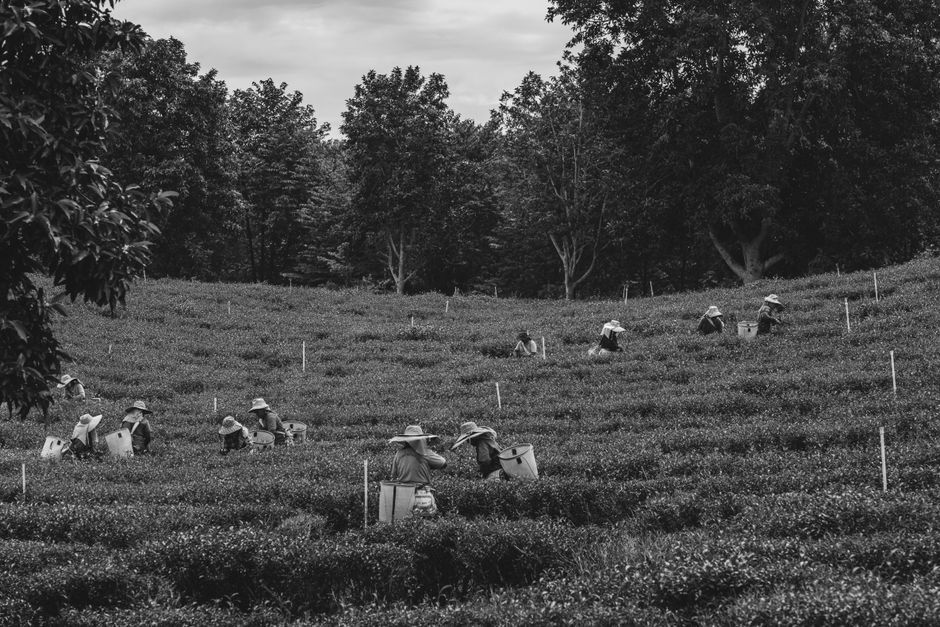
Stock photo for illustration only, not from the actual event
Under Section 68 of the Rubber Authority of Thailand Act B.E. 2558 (2015), assets, rights, and liabilities of the former Rubber Estate Organization were transferred to RAOT. Additionally, Section 8(3) mandates missions to assist rubber farmers in elevating their incomes and quality of life. While these provisions do not automatically convert reserved forest land into RAOT property, authorities are legally obligated to thoroughly examine tree ownership rights, tapping contracts, and existing liabilities.
"The state still disputes rights, but rubber tappers risk losing their livelihoods — stop cutting down rubber trees at the RAOT Thung Yai plantation first."
Pol. Col. Thavee Sodsong
Conflicts involving national reserved forests and agricultural produce rights frequently expose complex legal overlaps between Thailand's forestry and agricultural statutes. When different state branches hold conflicting interpretations over asset ownership and land use rights, rural workers often bear the brunt of the administrative confusion. Interventions by political figures highlight the urgent need to balance state resource management with the protection of grassroots economic security.
Adding to public concern, reports emerged that individuals connected to the FIO's logging operations brought firearms into the rubber plantation to keep watch, raising fears of violent confrontations on the ground. Officials have been urged to urgently investigate and prevent property disputes from escalating into tragic losses of life. Furthermore, comparisons were drawn to expired private palm oil concessions in Surat Thani, Krabi, and Chumphon provinces—totaling 266,618 rai across 35 plots according to the Landless Thai People Association—raising public scrutiny regarding perceived double standards in state resource allocation.
Ultimately, Pol. Col. Thavee called on the Ministry of Agriculture and Cooperatives, the Ministry of Natural Resources and Environment, RAOT, the Royal Forest Department, the FIO, and Nakhon Si Thammarat province to jointly delay tree felling and wood transportation in disputed plots. He also emphasized the need to publicly release maps and approval documents, verify rights alongside local tappers, establish income support plans, and deploy local administration and police forces to guarantee the safety of all parties involved.
Source: Khaosod Politics
Found something wrong in this article? Report an issue with this article
Comments
Leave a Comment