

WindBorne wins major US Air Force contract for balloon data
California startup WindBorne signed a contract worth up to $49 million with the U.S. Air Force to supply data from autonomous weather balloons.

Stock photo for illustration only, not from the actual event
- WindBorne secured a contract with the U.S. Air Force worth up to $49 million
- The company operates around 700 autonomous weather balloons globally for atmospheric data
- The Air Force has initially ordered $1.7 million worth of regional data
- Collected data feeds directly into WindBorne's proprietary AI weather forecasting model
California-based startup WindBorne Systems has landed a landmark agreement with the U.S. Air Force to supply atmospheric data gathered by its fleet of autonomous weather balloons. The contract could be worth nearly $50 million, marking the largest government deal in the history of the company founded in 2015 in Redwood City.
WindBorne currently maintains approximately 700 weather balloons circling the globe, measuring atmospheric sensor readings. While these insights are sold to commercial clients and fed into the startup's proprietary deep-learning weather forecasting model, the enterprise has previously collaborated closely with government branches including the National Weather Service, the U.S. Navy, and the Air Force.
Although the ceiling of the contract reaches $49 million, the Air Force will only pay on a per-need basis, placing targeted orders for specific geographic regions and times. Thus far, the military branch has placed orders totaling $1.7 million, with executives anticipating further requests.
"The U.S. Air Force will buy data collected by WindBorne Systems' fleet of autonomous weather balloons under a new contract that could be worth nearly $50 million to the startup."
TechCrunch
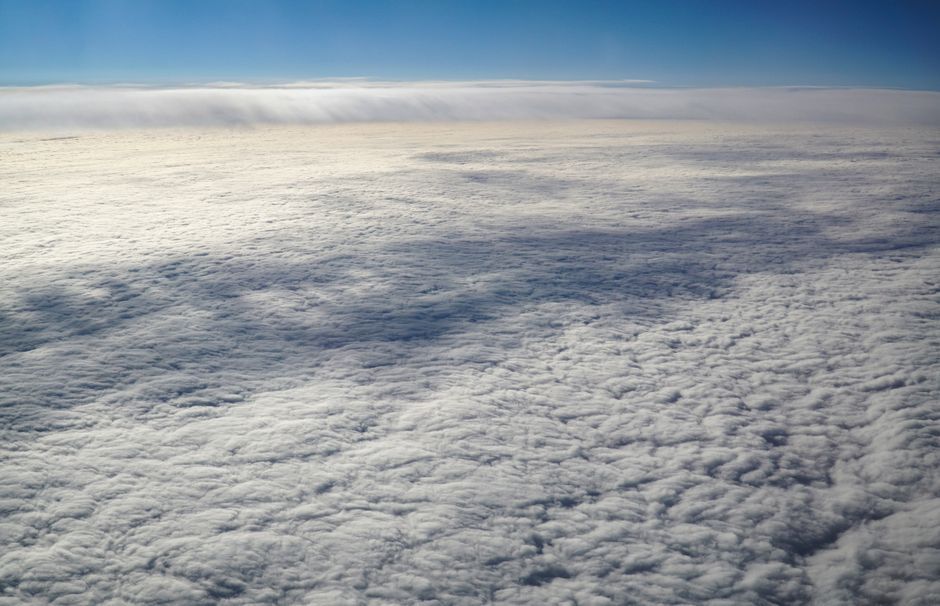
Stock photo for illustration only, not from the actual event
In August, WindBorne CEO John Dean told TechCrunch that the firm raised a $37 million Series B funding round to scale operations. Earlier in the summer, the organization debuted WeatherMesh 6, its newest weather prediction model, which reportedly delivers higher accuracy than traditional physics-simulation models run by the European Centre for Medium-Range Weather Forecasts (ECMWF).
The integration of AI into weather forecasting represents a fundamental shift from traditional meteorology. Rather than relying solely on expensive supercomputers running complex physics equations, deep-learning models ingest decades of historical meteorological data to deliver rapid predictions. This transition highlights how defense and government agencies increasingly leverage advanced machine learning for critical operational readiness.
WindBorne's flight capabilities were further highlighted in August when it became the first organization to send an unpowered flight system directly into the eye of a typhoon. The startup maneuvers its balloons by dynamically adjusting altitude, venting air, or dropping ballast sand to navigate specific wind currents.
Source: TechCrunch
Found something wrong in this article? Report an issue with this article
Comments
Leave a Comment