

David Altrath on Architectural Photography as Experience
Architectural photographer David Altrath shares a personal reflection on translating physical space and light into meaningful photographic experiences.

Stock photo for illustration only, not from the actual event
- David Altrath often spends the first hour walking around a building without taking any photographs.
- Architectural photography goes beyond documentation, capturing the actual feeling of standing inside a space.
- Altrath is drawn to structures with strong visual language, such as monumental concrete buildings and vast interiors.
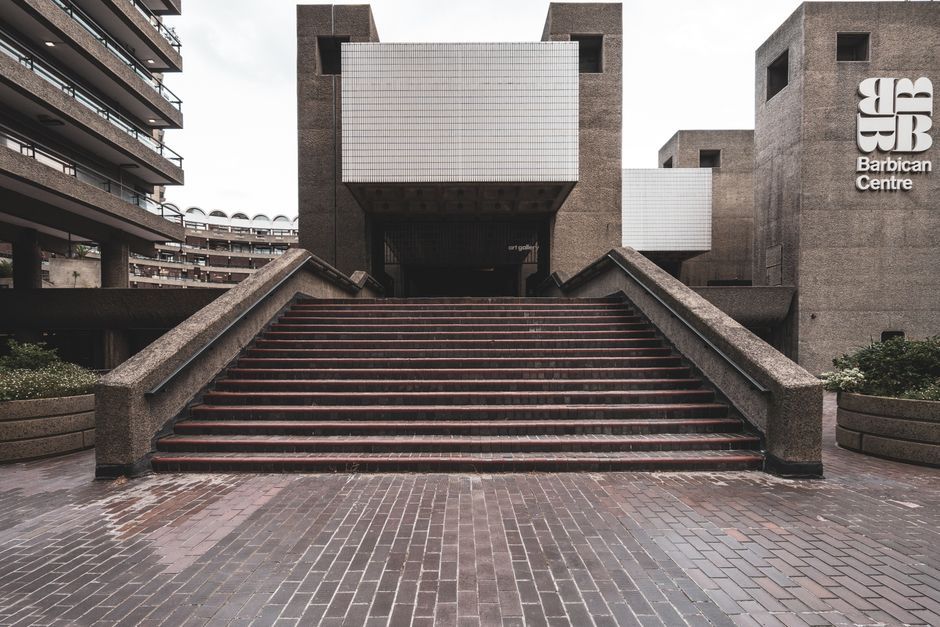
- Spending extended time at iconic places like The Barbican reveals deeper details beyond standard photographs.
In a thoughtful personal essay, architectural photographer David Altrath explores the complex transition between experiencing a building in person and capturing that exact sensation through a camera lens.
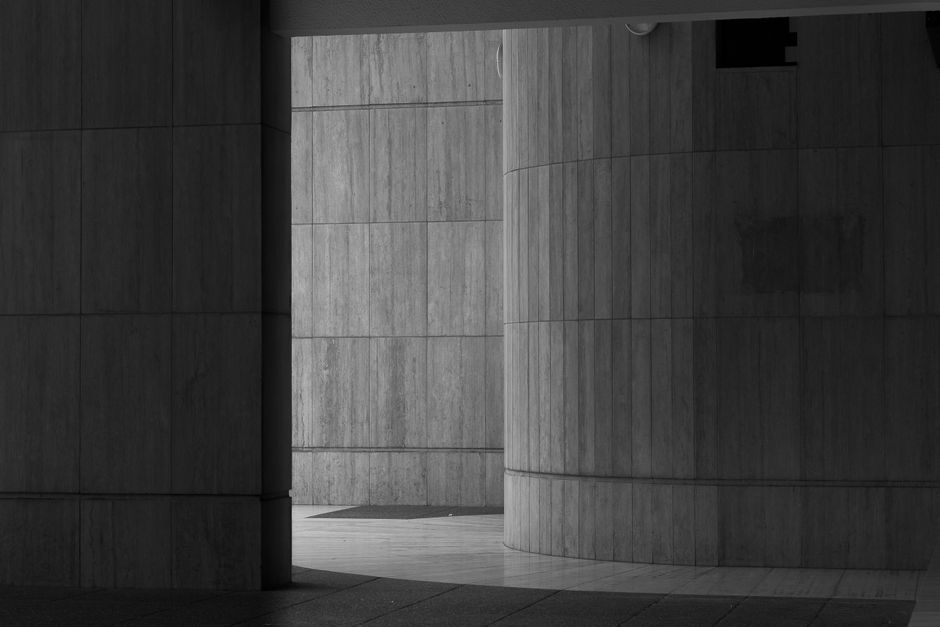
Upon arriving at a destination, Altrath frequently abstains from shooting for the first hour. Instead, he wanders around, observing the play of light across floors and ceilings, the transitions between rooms, and how material textures shift relative to his position. Whether visiting a structure he has studied for years in photographs or encountering a place for the very first time, his initial expectations are routinely challenged upon arrival.
Stock photo for illustration only, not from the actual event
He notes that while a photograph can convey a general idea of a location, it fails to replicate the physical sensation of standing within it—such as how shadows fall, the acoustics of a room, the coldness of concrete, or shifting spatial perception. This exact realization is what initially drew him to photograph architecture: the fleeting moment when a static building transforms into a lived experience.
"Photographing architecture is not simply about documenting what is there. It is about choosing a particular way of seeing it."
David Altrath
Rather than aiming to make structures appear merely impressive, Altrath seeks to uncover dimensions beyond familiar, well-documented viewpoints. This pursuit often involves tracking subtle details like moving shadows, surface reflections, or a person crossing a room at the exact right moment, which frequently requires simply waiting for the right light and spatial alignment.
David Altrath's approach aligns closely with architectural phenomenology, a philosophical concept emphasizing that built environments are defined by human sensory engagement—light, sound, texture, and time—rather than mere geometry. By intentionally looking beyond iconic, predetermined angles, the photographer reveals the layered, everyday realities of urban and architectural design.
The camera acts as a strict decision-making tool regarding framing and positioning, where moving merely half a meter can completely redefine an image. Reflecting on projects at prominent locations like The Barbican in London, Grundtvigs Kirke in Copenhagen, and the CBR Building in Brussels, Altrath emphasizes that prolonged observation reveals intricate structural relationships and domestic details that transcend a single defining photograph.
Stock photo for illustration only, not from the actual event
Source: designboom
Found something wrong in this article? Report an issue with this article
Comments
Leave a Comment