

Suchart Orders PCD to Fix Polluted Rangsit Canal
Natural Resources Minister Suchart Chomklin orders the Pollution Control Department to inspect black, foul-smelling Rangsit Prayulsak Canal and test water quality.

Stock photo for illustration only, not from the actual event
- Suchart Chomklin orders Pollution Control Department to tackle polluted Rangsit Canal
- REPC 6 inspects three locations, finding critically low DO levels and Class 5 water quality
- Initial cause linked to floodwaters washing organic matter and detergents into the waterway
- Further water sampling including heavy metals and VOCs scheduled for October 14
On October 13, 2026, Minister of Natural Resources and Environment Suchart Chomklin expressed deep concern over reports of black, foul-smelling wastewater discharged into the Rangsit Prayulsak Canal, promptly instructing the Pollution Control Department (PCD) to investigate and coordinate with local agencies to mitigate environmental impacts.
Dr. Surin Worakitthamrong, Director-General of the Pollution Control Department, revealed that the Regional Environment and Pollution Control Office 6 (REPC 6 Nonthaburi) deployed inspection teams to measure water quality at three critical spots: Chulalongkorn Sluice Gate, Sukasem Community Sluice Gate, and Khlong Prem Tai Pumping Station, all of which showed dark water, white foam, and severe odors.
Field measurements recorded dissolved oxygen (DO) levels at 1.18, 1.80, and 1.50 milligrams per liter respectively, with pH levels ranging from 6.61 to 6.73 and salinity at 0.2 ppt. Preliminary assessments categorize the water quality under surface water source type 5, noting that critically low oxygen levels completely disrupt aquatic life.
"Initial causes are believed to stem from flood drainage that carried organic matter and detergents from residential areas into the canal, resulting in severe pollution. When large pumps discharged water into the Chao Phraya River, mechanical agitation generated white foam near the sluice gates."
Dr. Surin Worakitthamrong, Director-General of PCD
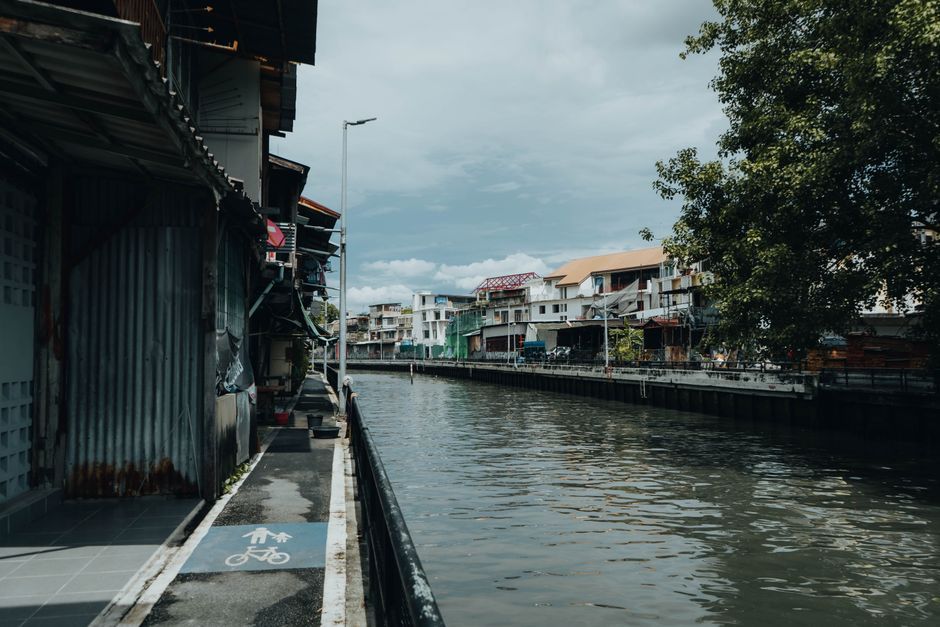
Stock photo for illustration only, not from the actual event
Contextual Analysis: Dissolved oxygen levels dropping below 2 milligrams per liter represent a critical tipping point for aquatic ecosystems, as most fish species require at least 3 to 4 milligrams per liter to survive. The situation in the Rangsit Canal highlights secondary pollution challenges following floods, where stagnant water sweeps accumulated domestic waste into major waterways, emphasizing the need for robust municipal wastewater management.
Authorities have urged nearby residents to avoid direct contact with the canal water, recommending gloves and boots if contact is unavoidable, while refraining from dumping waste into the public drainage system.
On October 14, REPC 6 plans to collect fresh water samples from the three checkpoints for laboratory analysis, including heavy metals and volatile organic compounds (VOCs) via Headspace testing. Officials will also distribute bio-fermented liquid and drinking water to affected communities. Residents can report issues to REPC 6 Nonthaburi or the PCD hotline at 1650.
Source: Khaosod Politics
Found something wrong in this article? Report an issue with this article
Comments
Leave a Comment